Francesco Canova da Milano
Recercar No. 41 dal quinto tono
Released Album
Recent Album
Works Info
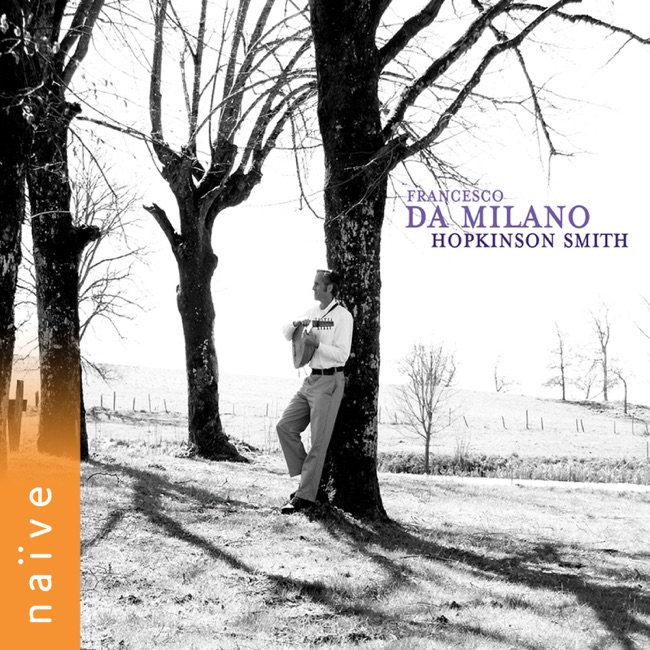
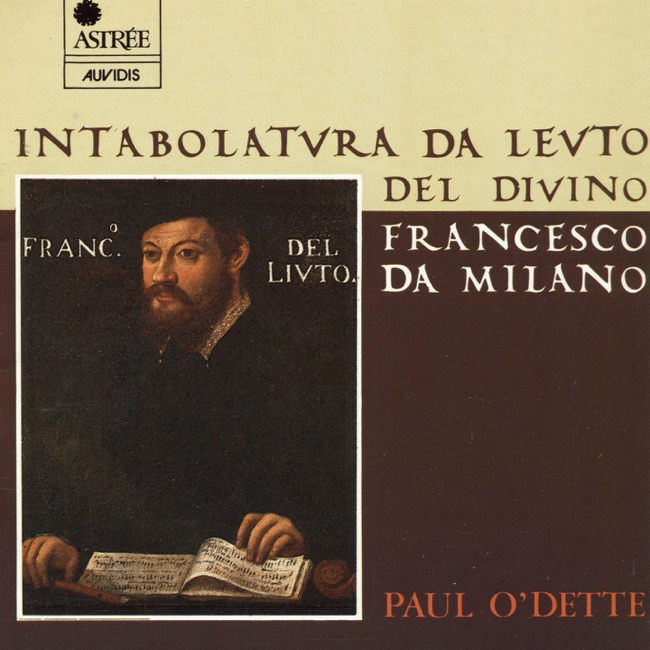
Composer:Francesco Canova da MilanoGenre:ChamberStyle:FantasyAverage_duration:1:24Francesco Canova da Milano was an Italian lutenist and composer who lived during the Renaissance period. He was born in 1497 and died in 1543. He was known for his virtuosic lute playing and his compositions for the instrument. One of his most famous works is the Recercar No. 41 dal quinto tono. The Recercar No. 41 dal quinto tono was composed by Francesco Canova da Milano in the early 16th century. The exact date of composition is not known, but it is believed to have been written sometime between 1520 and 1530. The piece is a recercar, which is a type of instrumental composition that was popular during the Renaissance period. Recercars were typically written for keyboard or lute and were used as preludes or improvisational pieces. The Recercar No. 41 dal quinto tono is written for solo lute and consists of several movements. The piece is in the key of G major and is divided into three sections. The first section is a slow and stately introduction that sets the mood for the piece. The second section is a faster and more lively section that features intricate fingerwork and virtuosic passages. The third section is a return to the slower and more contemplative mood of the opening section. The Recercar No. 41 dal quinto tono is characterized by its complex harmonies, intricate fingerwork, and virtuosic passages. The piece is a showcase for the technical abilities of the lutenist and requires a high level of skill to perform. The piece is also notable for its use of counterpoint, which is a technique where two or more melodic lines are played simultaneously. The use of counterpoint gives the piece a rich and complex texture. The Recercar No. 41 dal quinto tono was premiered during the Renaissance period and was likely performed in the courts of Italy. The piece has since become a staple of the lute repertoire and is still performed today by lutenists around the world. The piece is a testament to the skill and artistry of Francesco Canova da Milano and is a valuable contribution to the musical heritage of the Renaissance period.More....
Works Music