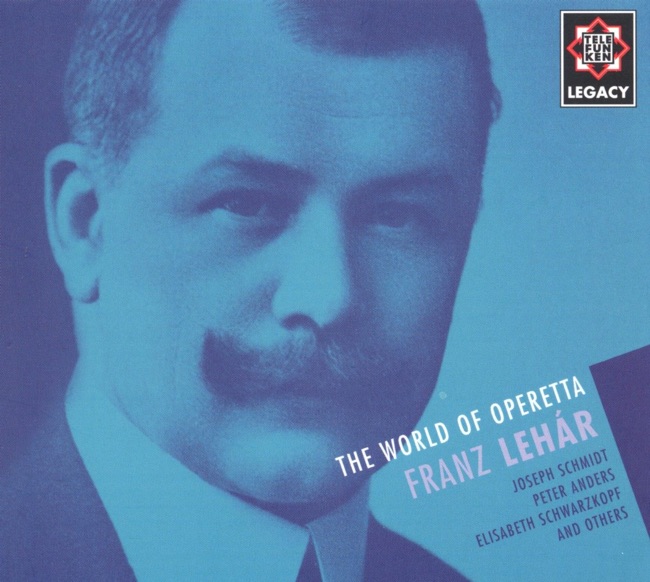
Franz Lehár
Hab' ein blaues Himmelbett
Released Album
Recent Album





Works Info
Composer:Franz LehárGenre:VocalStyle:SongAverage_duration:3:32'Hab' ein blaues Himmelbett' is a popular operetta composed by Franz Lehár. The operetta premiered on 4th October 1927 at the Theater an der Wien in Vienna, Austria. The libretto was written by Fritz Grünbaum and Julius Brammer. The operetta consists of three acts and is set in the early 20th century. The story revolves around the wealthy Countess Mariza, who inherits a large estate in Hungary. She decides to visit her estate incognito to see how her tenants are faring. During her visit, she meets a handsome young man named Tassilo, who is the estate manager. They fall in love, but Tassilo is already engaged to another woman. The story follows their love triangle and the various complications that arise. The first act of the operetta opens with a lively overture that sets the tone for the rest of the performance. The music is characterized by Lehár's signature waltz rhythms and catchy melodies. The first act also introduces the main characters and sets up the plot. The second act is the most dramatic of the three. It features a number of romantic duets and arias, including the famous "Komm, Zigány" (Come, Gypsy) which is sung by Tassilo. The act ends with a cliffhanger as Tassilo is forced to choose between his love for Mariza and his duty to his fiancée. The third act is the most lighthearted of the three. It features a number of comedic scenes and a happy ending. The act ends with a rousing finale that brings all the characters together for a final dance. Overall, 'Hab' ein blaues Himmelbett' is a charming and entertaining operetta that showcases Lehár's talent for creating memorable melodies and catchy rhythms. The music is characterized by its lightness and playfulness, which perfectly complements the romantic and comedic elements of the story. The operetta remains popular to this day and is frequently performed in theaters around the world.More....