Marc-Antoine Charpentier
Prélude pour ce qu'on voudra, H. 521
Released Album
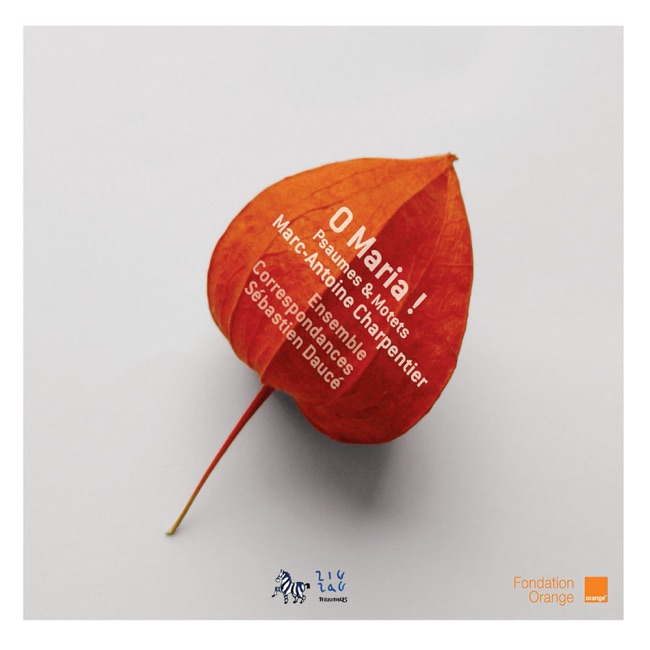
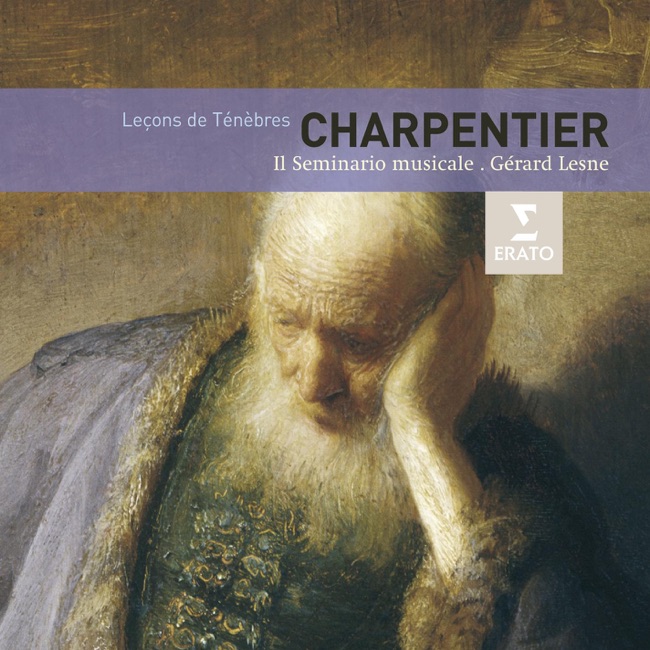
Recent Album
Works Info
Composer:Marc-Antoine CharpentierGenre:ChamberStyle:PreludeCompose Date:1679Average_duration:1:10Prélude pour ce qu'on voudra, H. 521 is a musical composition by the French Baroque composer Marc-Antoine Charpentier. It was composed in the late 17th century and premiered in Paris, France. The piece is a prelude, which is a short instrumental introduction to a larger work, and it is written for a small ensemble of instruments. The prelude is divided into three movements, each with its own distinct character and mood. The first movement is marked "Lentement" (slowly) and is characterized by a mournful melody played by the violins. The second movement is marked "Vivement" (lively) and features a faster tempo and more energetic rhythms. The final movement is marked "Gracieusement" (gracefully) and is characterized by a gentle, flowing melody played by the flutes. One of the most notable characteristics of Prélude pour ce qu'on voudra is its use of counterpoint, which is a technique in which two or more melodies are played simultaneously. Charpentier was known for his skillful use of counterpoint, and this piece is a prime example of his mastery of the technique. The interplay between the different instruments creates a rich, complex texture that is both beautiful and engaging. Overall, Prélude pour ce qu'on voudra is a beautiful and expressive piece of music that showcases Charpentier's skill as a composer. Its three movements each offer a unique and memorable musical experience, and its use of counterpoint and other musical techniques make it a true masterpiece of the Baroque era.More....
Works Music