


Franz Joseph Haydn
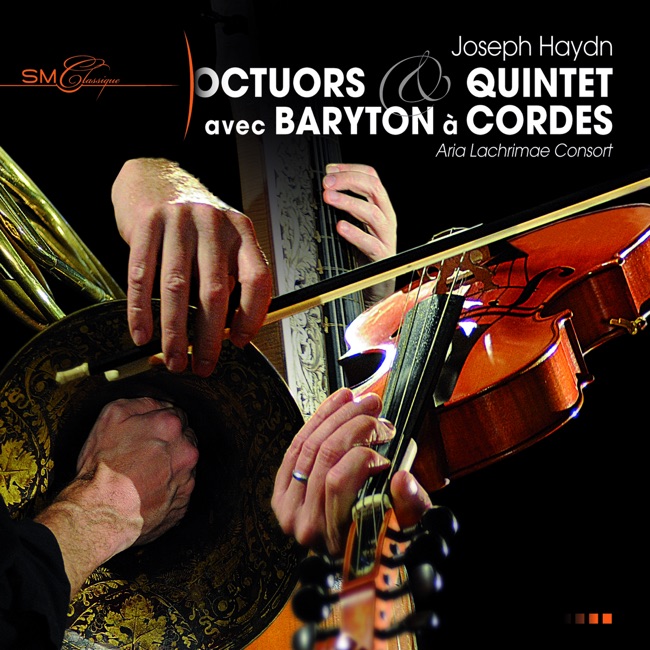
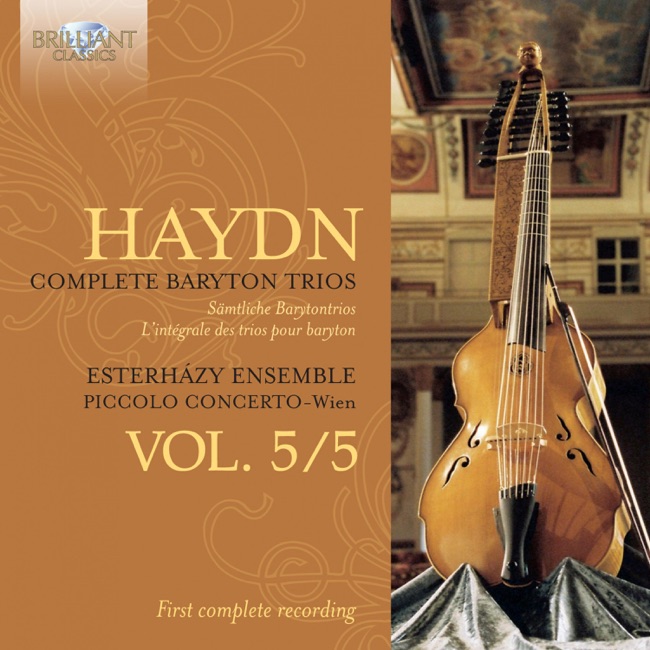
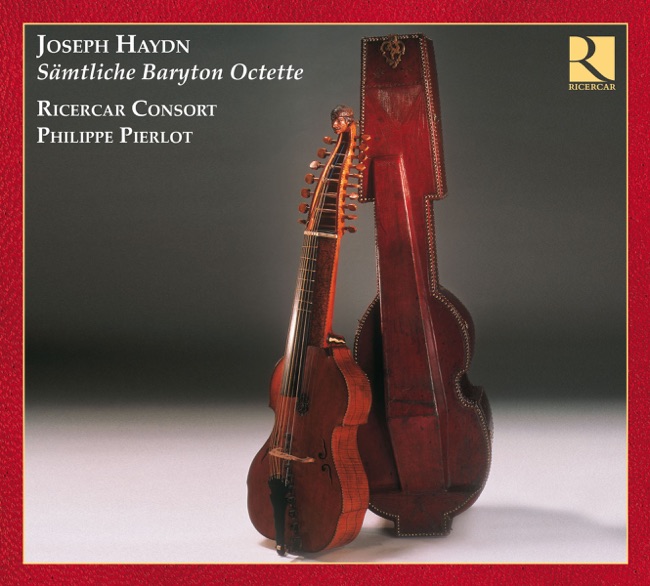
Divertimento for baryton, 2 violins, viola, cello, bass & 2 horns in D major, H. 10/2
Released Album
Recent Album
Works Info
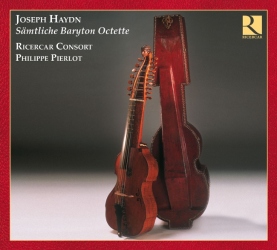
Composer:Franz Joseph HaydnGenre:OrchestralStyle:DivertimentoCompose Date:1775Average_duration:18:26Movement_count:3Movement ....Franz Joseph Haydn's 'Divertimento for baryton, 2 violins, viola, cello, bass & 2 horns in D major, H. 10/2' was composed in the year 1763. It was premiered in the same year in the court of Prince Nikolaus Esterházy, where Haydn was employed as the court musician. The piece consists of six movements and is approximately 20 minutes long. The first movement, marked Allegro, is in sonata form and begins with a lively and cheerful theme played by the violins. The baryton, a stringed instrument similar to the viola da gamba, is introduced in the second theme and is given a prominent role throughout the piece. The movement ends with a brief coda. The second movement, marked Minuetto, is a dance in triple meter. It features a playful melody that is passed between the different instruments. The trio section, marked Trio I, is more subdued and features a lyrical melody played by the violins. The third movement, marked Adagio, is a slow and expressive piece. It features a beautiful melody played by the baryton, accompanied by the violins and viola. The cello and bass provide a steady bass line, while the horns add a touch of color to the piece. The fourth movement, marked Menuetto, is similar in style to the second movement. It features a lively melody played by the violins, with the baryton and horns providing a contrasting accompaniment. The trio section, marked Trio II, is more subdued and features a lyrical melody played by the violins. The fifth movement, marked Presto, is a fast and energetic piece. It features a lively melody played by the violins, with the baryton and horns providing a contrasting accompaniment. The movement ends with a brief coda. The final movement, marked Allegro, is in sonata form and features a lively and cheerful theme played by the violins. The baryton is given a prominent role in the second theme, and the movement ends with a lively coda. Overall, Haydn's 'Divertimento for baryton, 2 violins, viola, cello, bass & 2 horns in D major, H. 10/2' is a charming and delightful piece of music. It showcases Haydn's skill in writing for a variety of instruments and his ability to create memorable melodies. The use of the baryton, a relatively obscure instrument, adds a unique and interesting element to the piece.More....
Works Music
Released Music
1
5:17
2
5:26
3
6:58
4
5:8
5
6:2