


Georg Philipp Telemann
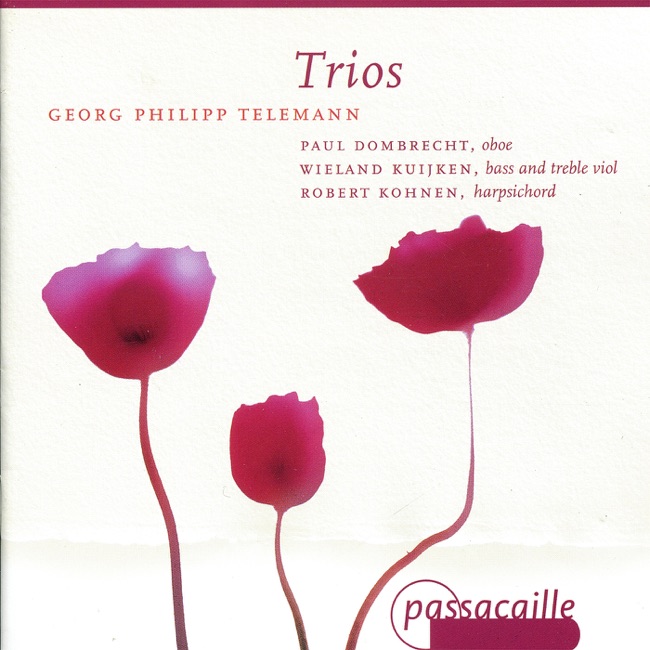
Sonatina for viola da gamba, oboe & continuo in E minor, TWV 42:e5
Released Album
Recent Album
Works Info
Composer:Georg Philipp TelemannGenre:ChamberStyle:SonatinaCompose Date:1724 - 1727Average_duration:7:10Movement_count:4Movement ....Georg Philipp Telemann's Sonatina for viola da gamba, oboe & continuo in E minor, TWV 42:e5, is a chamber music piece that was composed in the early 18th century. The exact date of composition is unknown, but it is believed to have been written between 1715 and 1720. The piece was premiered in Germany, where Telemann was based, and was likely performed in a private setting for a small audience. The Sonatina is divided into three movements: Adagio, Allegro, and Andante. The first movement, Adagio, is a slow and expressive introduction that sets the tone for the piece. The viola da gamba and oboe take turns playing the melody, with the continuo providing a steady bass line. The second movement, Allegro, is a lively and energetic dance that showcases the virtuosity of the performers. The viola da gamba and oboe engage in a playful dialogue, with the continuo providing a rhythmic foundation. The final movement, Andante, is a slow and melancholic piece that features a beautiful melody played by the oboe. The viola da gamba and continuo provide a gentle accompaniment, creating a sense of introspection and reflection. The Sonatina is characterized by its elegant and refined style, which is typical of Telemann's music. The piece is notable for its use of counterpoint, which is the art of combining multiple melodies to create a harmonious whole. Telemann was a master of counterpoint, and the Sonatina demonstrates his skill in this area. The piece also features a variety of textures, with the viola da gamba and oboe often playing in unison or in harmony, while the continuo provides a contrasting bass line. Overall, Telemann's Sonatina for viola da gamba, oboe & continuo in E minor, TWV 42:e5, is a beautiful and engaging chamber music piece that showcases the talents of the performers. Its elegant style and use of counterpoint make it a classic example of Baroque music, and it remains a popular piece among musicians and audiences alike.More....
Works Music
Released Music
1
6:10
2
6:10
4
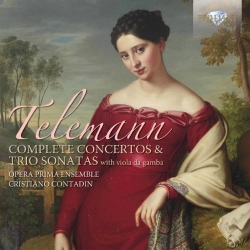
Sonatina for viola da gamba, oboe & continuo in E minor, TWV 42:e5
Sonata in E minor TWV42:e5
6:10
5
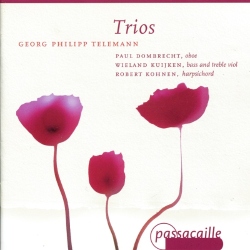
1:36