


Christoph Graupner
Overture for recorder, 2 violins, viola & b.c. in F major, GWV 447
Released Album
Recent Album
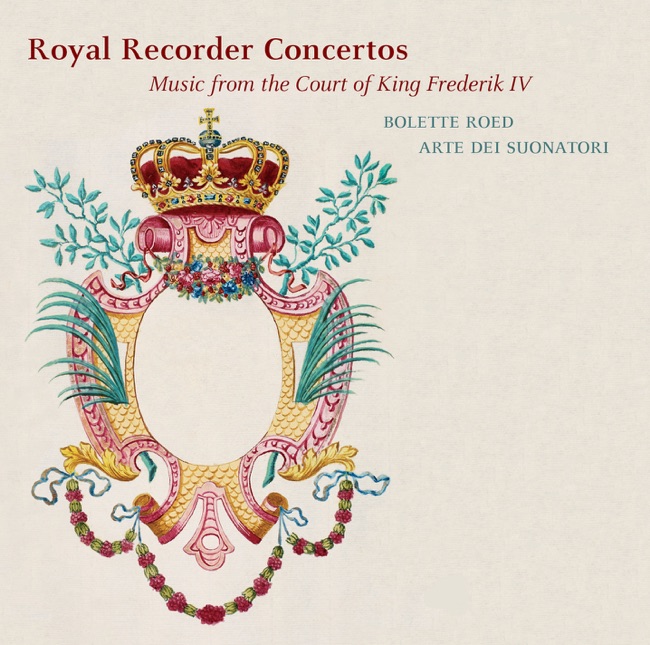
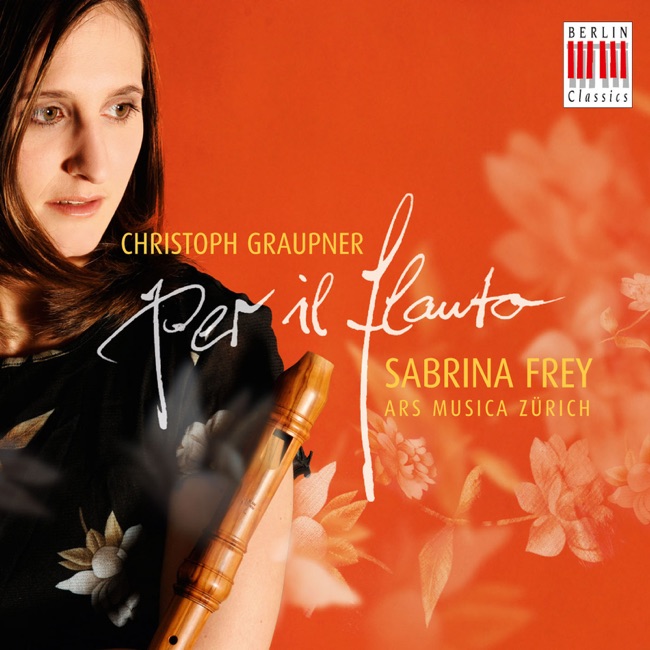
Works Info
Composer:Christoph GraupnerGenre:ChamberStyle:Chamber MusicChristoph Graupner's 'Overture for recorder, 2 violins, viola & b.c. in F major, GWV 447' was composed in the early 18th century. The exact date of composition is unknown, but it is believed to have been written during Graupner's tenure as Kapellmeister in Darmstadt, Germany, between 1711 and 1754. The overture was likely composed for performance in the court orchestra, which was known for its high level of musical excellence. The 'Overture for recorder, 2 violins, viola & b.c. in F major, GWV 447' is a multi-movement work that follows the traditional structure of a Baroque overture. The piece begins with a stately opening movement, marked by a slow tempo and dotted rhythms. This is followed by a faster, more lively section known as the allegro. The third movement is a slower, more lyrical section, often featuring a solo instrument or group of instruments. The final movement is a fast and lively dance, typically in triple meter. One of the most notable characteristics of Graupner's overture is its use of the recorder as a solo instrument. The recorder was a popular instrument in the Baroque era, and Graupner makes full use of its capabilities in this work. The recorder is featured prominently in the slow third movement, where it is given a beautiful, lyrical melody to play. The other instruments in the ensemble provide a rich, supportive accompaniment, creating a lush and harmonious sound. Another characteristic of Graupner's overture is its use of counterpoint. Counterpoint is a technique in which multiple melodies are played simultaneously, creating a complex and intricate texture. Graupner was a master of counterpoint, and he uses it extensively throughout the overture. The result is a rich and layered sound that rewards careful listening. Overall, Graupner's 'Overture for recorder, 2 violins, viola & b.c. in F major, GWV 447' is a beautiful and complex work that showcases the composer's skill and creativity. Its use of the recorder as a solo instrument, its intricate counterpoint, and its adherence to the traditional structure of a Baroque overture make it a fascinating and rewarding piece to listen to.More....
Works Music
Released Music
2
2:18