


Heinrich Schütz
Quid commisisti, o dulcissimi puer, SWV 56-60 (Op. 4/4-8)
Released Album
Recent Album
Works Info
Composer:Heinrich SchützGenre:ChoralStyle:MotetPublication Date:1625Average_duration:14:08Movement_count:5Movement ....Heinrich Schütz's 'Quid commisisti, o dulcissimi puer' is a five-movement sacred composition for five voices and basso continuo. It was composed in 1619 and premiered in Dresden, Germany. The piece is part of Schütz's Opus 4 collection, which includes several other sacred works. The first movement, 'Quid commisisti,' is a lamentation in which the speaker asks the deceased child what sin he committed to deserve such an early death. The second movement, 'Ego sum tui plaga doloris,' is a solo aria in which the speaker, likely the mother of the deceased child, expresses her grief and pain. The third movement, 'Heu mihi, Domine,' is a duet between two mourners who express their sorrow and ask for God's mercy. The fourth movement, 'Sicut lilium inter spinas,' is a trio in which the speakers compare the deceased child to a lily among thorns, emphasizing his innocence and purity. The final movement, 'Vide, Domine, afflictionem nostram,' is a prayer for God's mercy and comfort in the face of grief. Schütz's use of chromaticism and dissonance in the piece reflects the intense emotions of grief and mourning. The vocal lines are often highly ornamented, adding to the expressive nature of the work. The use of basso continuo provides a solid foundation for the vocal parts and adds depth to the overall sound. Overall, 'Quid commisisti, o dulcissimi puer' is a poignant and moving work that showcases Schütz's skill in composing sacred music. Its themes of grief and mourning are universal and continue to resonate with audiences today.More....
Works Music
Released Music
1
4:33
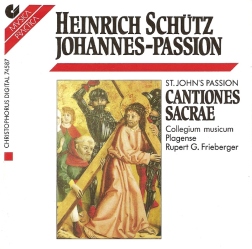
3
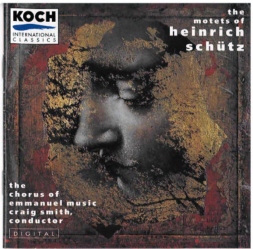
Quid commisisti, or dulcissimi puer, SWV 56-60 (Op. 4/4-8)
I Quid commisisti, o dulcissimi puer, SWV 56
3:46