Joseph-Hector Fiocco
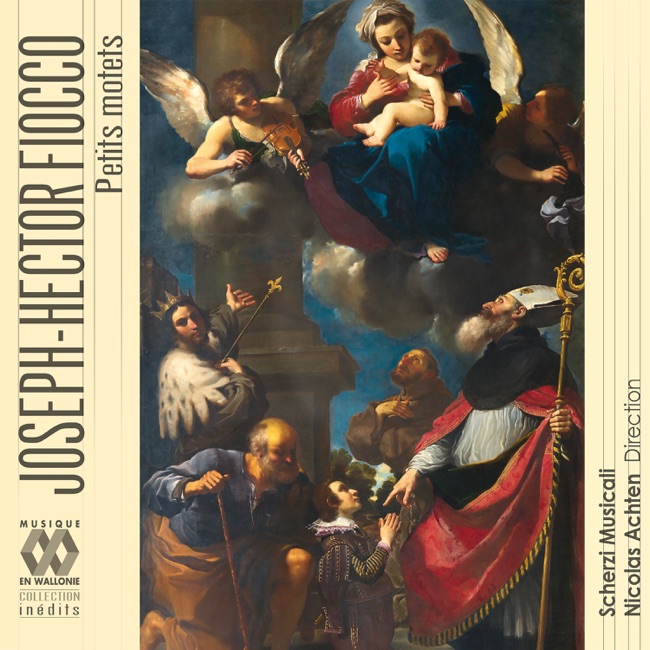
Salve Regina, motet for 4 voices & 4 instruments
Works Info
Composer:Joseph-Hector FioccoGenre:VocalAverage_duration:11:05Movement_count:6Movement ....Joseph-Hector Fiocco was a Belgian composer who lived from 1703 to 1741. He was a member of a musical family and was trained in music by his father. Fiocco was a prolific composer, and his works include operas, cantatas, and instrumental music. One of his most famous works is the "Salve Regina," a motet for four voices and four instruments. The "Salve Regina" was composed in the early 18th century and was first performed in Brussels, Belgium. The exact date of its composition and premiere is not known, but it is believed to have been written around 1725. The motet is written in Latin and is dedicated to the Virgin Mary. The "Salve Regina" is divided into four movements, each of which is based on a different section of the Salve Regina prayer. The first movement is a setting of the opening lines of the prayer, "Salve Regina, Mater misericordiae" ("Hail, holy Queen, Mother of mercy"). The second movement is a setting of the lines "Ad te clamamus, exsules filii Hevae" ("To thee do we cry, poor banished children of Eve"). The third movement is a setting of the lines "O clemens, O pia, O dulcis Virgo Maria" ("O clement, O loving, O sweet Virgin Mary"). The final movement is a setting of the lines "Ora pro nobis, sancta Dei Genitrix" ("Pray for us, O holy Mother of God"). The "Salve Regina" is characterized by its beautiful melodies and rich harmonies. The four voices are used to create a complex and layered texture, with each voice contributing to the overall sound of the piece. The four instruments (two violins, viola, and basso continuo) provide a supportive accompaniment to the voices. Overall, the "Salve Regina" is a beautiful and moving piece of music that showcases Fiocco's skill as a composer. Its popularity has endured over the centuries, and it remains a beloved work in the choral repertoire.More....
Works Music
Released Music