


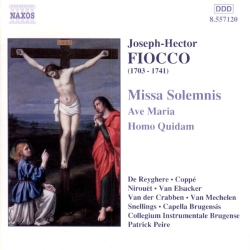
Joseph-Hector Fiocco
Released Album
Keyboard
-
 November 6, 2007
 -
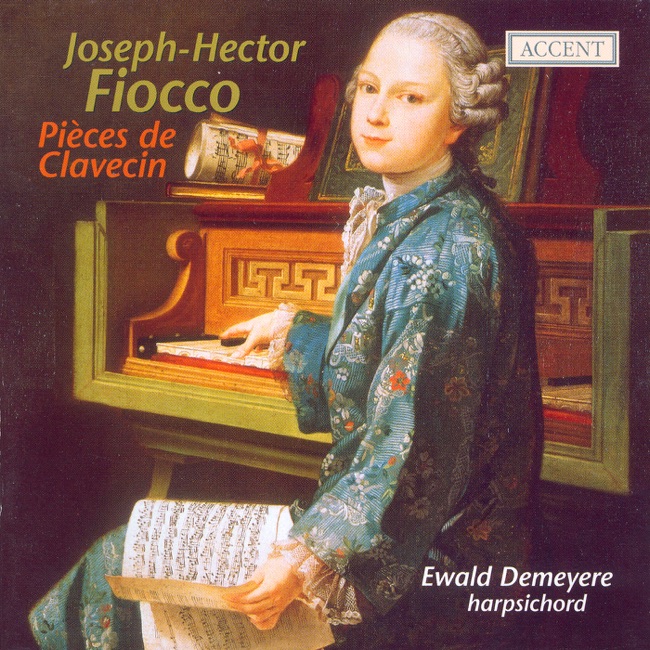 April 16, 2007
 -
 February 5, 2007
 -
-
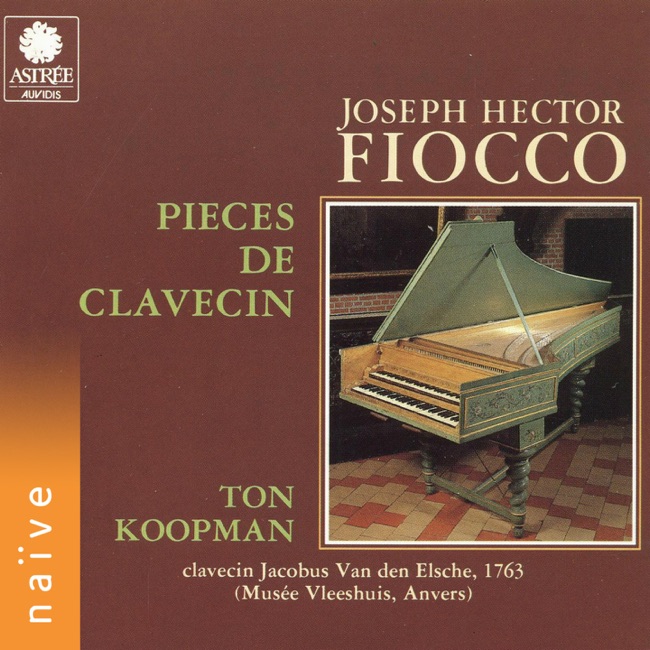 January 1, 1989
 -
 January 1, 1984
Miscellaneous
-
 May 4, 2009
Vocal
-
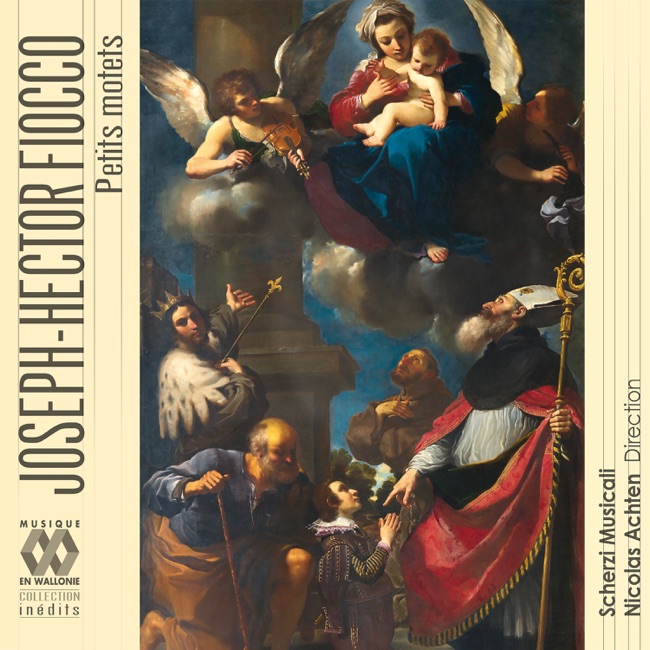 December 12, 2011
Choral
-
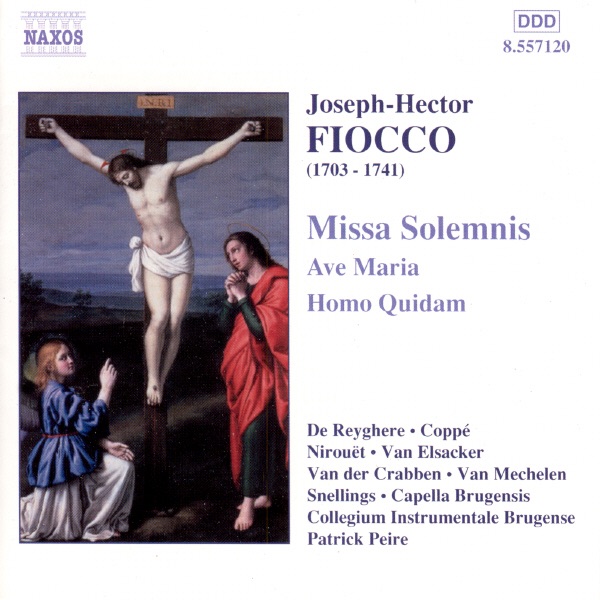 March 3, 2003
Artist Info
Role:ComposerCountry: ItalyBirth:January 20, 1703Death:June 22, 1741Period:BaroqueGenre:KeyboardVocalJoseph-Hector Fiocco was a Belgian composer and musician who lived during the Baroque period. He was born on October 20, 1703, in Brussels, Belgium, to a family of musicians. His father, Pietro Antonio Fiocco, was a composer and violinist, and his mother, Marie-Anne de Francquen, was a singer. Joseph-Hector was the youngest of six children, all of whom were musically talented. Joseph-Hector began his musical education at a young age, studying with his father and older brother, Jean-Joseph Fiocco. He showed great promise as a musician, and by the age of 12, he was already performing in public. In 1717, he was appointed as a chorister at the Cathedral of St. Michael and St. Gudula in Brussels, where he received further training in music. In 1724, Joseph-Hector moved to Paris to study with the renowned composer Jean-Philippe Rameau. He spent several years in Paris, studying composition, theory, and performance. During this time, he also became acquainted with other prominent musicians of the day, including François Couperin and Jean-Baptiste Forqueray. In 1730, Joseph-Hector returned to Brussels, where he was appointed as the maître de chapelle at the Cathedral of St. Michael and St. Gudula. In this role, he was responsible for composing and directing music for the cathedral's services. He also taught music to the choirboys and other students. Joseph-Hector's compositions were highly regarded during his lifetime, and he was considered one of the leading composers of his day. His music was characterized by its elegance, grace, and lyricism, and he was particularly skilled at writing for the voice. He composed a wide variety of music, including operas, cantatas, motets, and instrumental works. One of Joseph-Hector's most famous works is his Missa Solemnis, a setting of the Catholic Mass. This work was composed in 1737 and was performed at the Cathedral of St. Michael and St. Gudula. The Missa Solemnis is a grand and majestic work, with intricate vocal parts and rich orchestration. It is considered one of the finest examples of Baroque choral music. Another notable work by Joseph-Hector is his opera, La Serva Padrona. This work was composed in 1733 and was first performed in Paris. La Serva Padrona is a comic opera, with a light and humorous plot. It was a great success and helped to establish Joseph-Hector's reputation as a composer. In addition to his compositions, Joseph-Hector was also a skilled performer. He was an accomplished violinist and keyboard player and often performed in public. He was particularly renowned for his improvisational skills, and his performances were said to be both virtuosic and expressive. Joseph-Hector continued to compose and perform music throughout his life. He died on March 21, 1741, at the age of 37. Despite his relatively short life, he left behind a rich legacy of music that continues to be performed and admired today. His works are a testament to his skill as a composer and his contribution to the development of Baroque music.More....
Recent Artist Music
2
2:55

5
1:35
6
2:54
13
4:53
Copyright Ⓒ 2013 Davinci Finger. All rights reseved
Service Terms & Policy