Béla Bartók
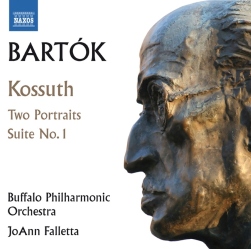
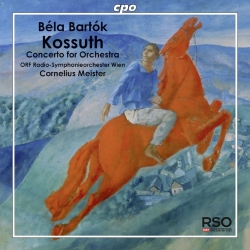
Kossuth, Sz. 21
Released Album
Recent Album



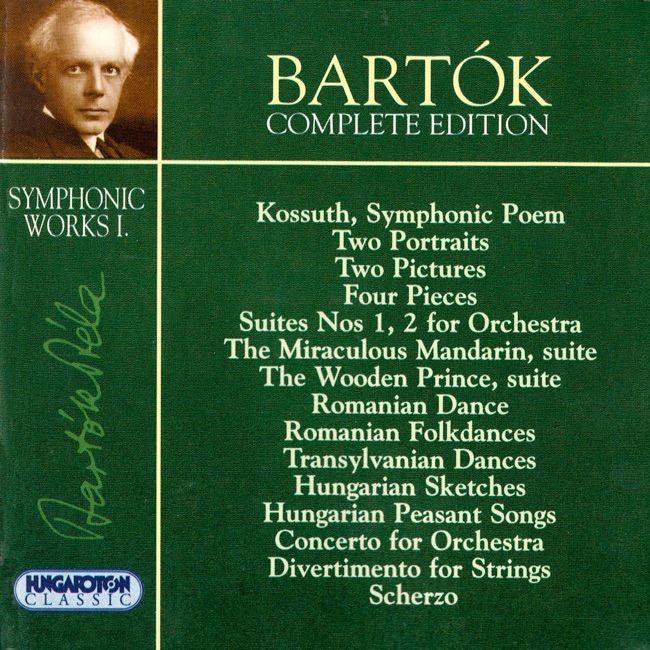
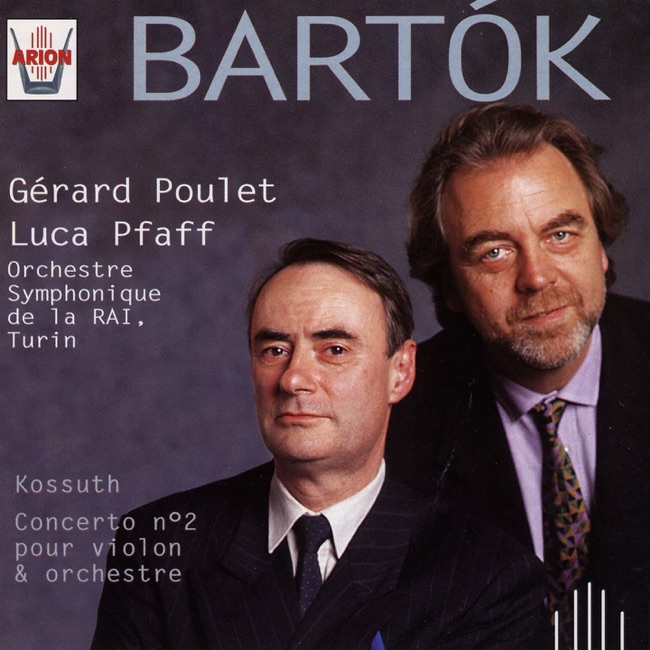
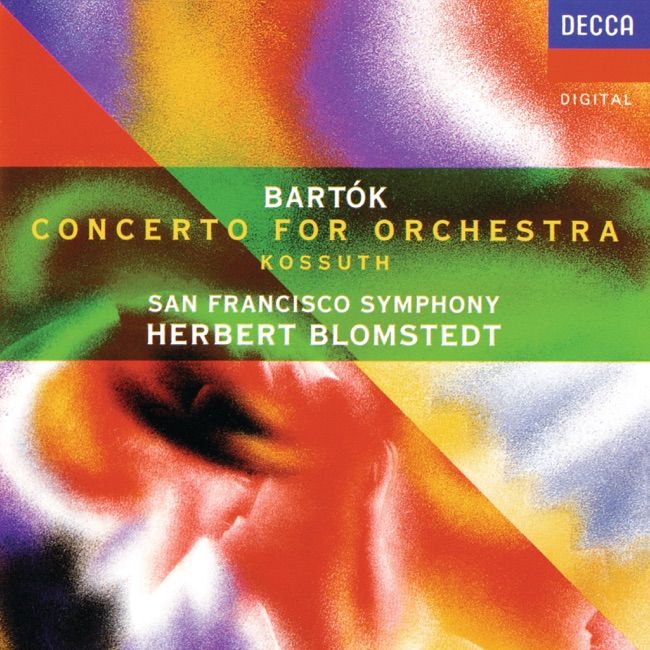
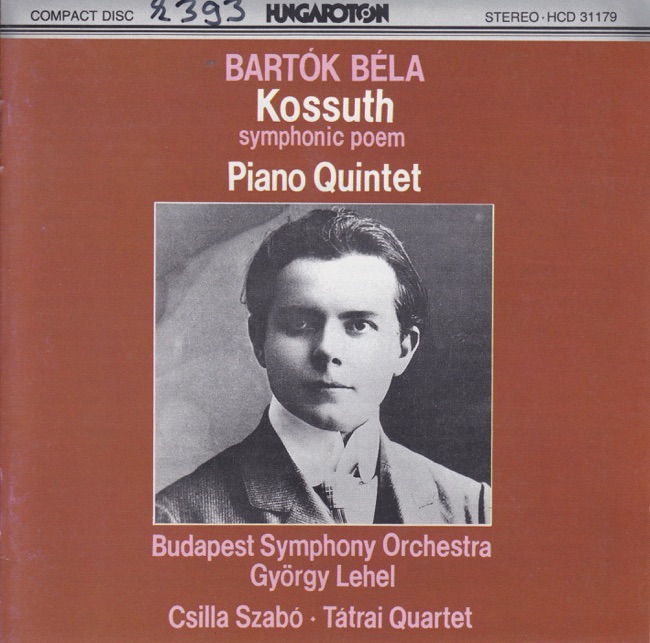
Featured Album

Works Info
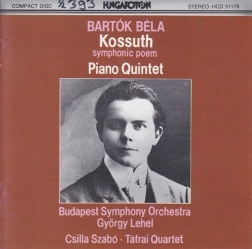
Composer:Béla BartókGenre:OrchestralStyle:Tone PoemCompose Date:1903Average_duration:26:21Kossuth, Sz. 21 is a symphonic poem composed by Béla Bartók in 1903. It was premiered on November 21, 1904, in Budapest, Hungary, conducted by the composer himself. The piece is dedicated to the Hungarian revolutionary leader Lajos Kossuth, who fought for Hungarian independence in the mid-19th century. The symphonic poem is divided into three movements, each representing a different aspect of Kossuth's life and legacy. The first movement, titled "The Peasant Prince," is a tribute to Kossuth's humble beginnings as a peasant and his rise to power as a political leader. The movement is characterized by its use of folk melodies and rhythms, which are woven into the orchestral texture. The second movement, titled "The Prophet," is a reflection on Kossuth's role as a visionary leader who inspired the Hungarian people to fight for their freedom. The movement is marked by its dramatic contrasts and intense emotional expression, which convey the passion and conviction of Kossuth's message. The final movement, titled "The Statesman," is a celebration of Kossuth's achievements as a political leader and his legacy as a symbol of Hungarian national identity. The movement is characterized by its grandeur and majesty, with sweeping melodies and powerful orchestration that evoke the strength and resilience of the Hungarian people. Overall, Kossuth, Sz. 21 is a powerful and evocative tribute to one of Hungary's most revered historical figures. Bartók's use of folk melodies and rhythms, combined with his innovative orchestration and emotional intensity, make this symphonic poem a masterpiece of Hungarian classical music.More....
Works Music
Released Music





Featured Music
1

19:59