Mark Kopytman
Kaddish
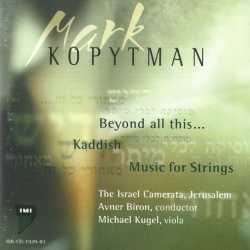
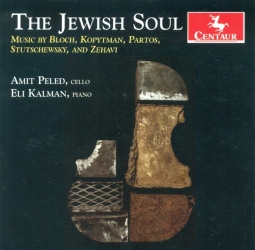
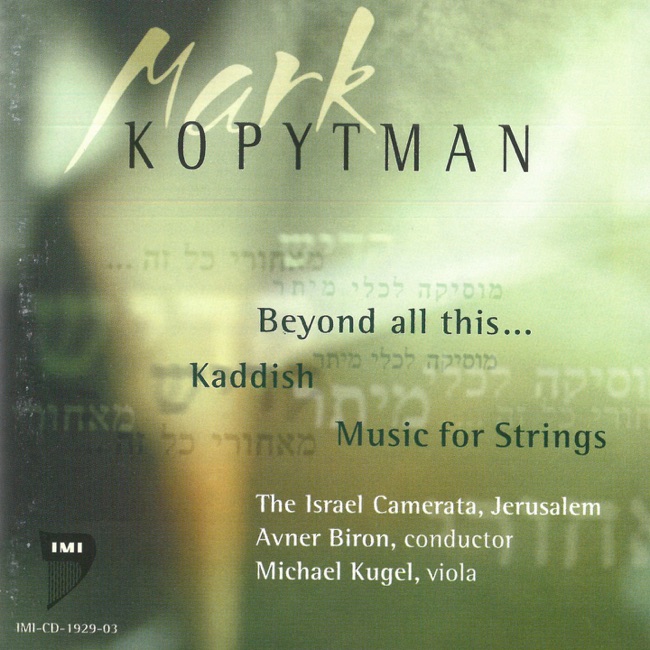
Released Album
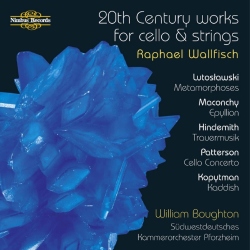
Recent Album
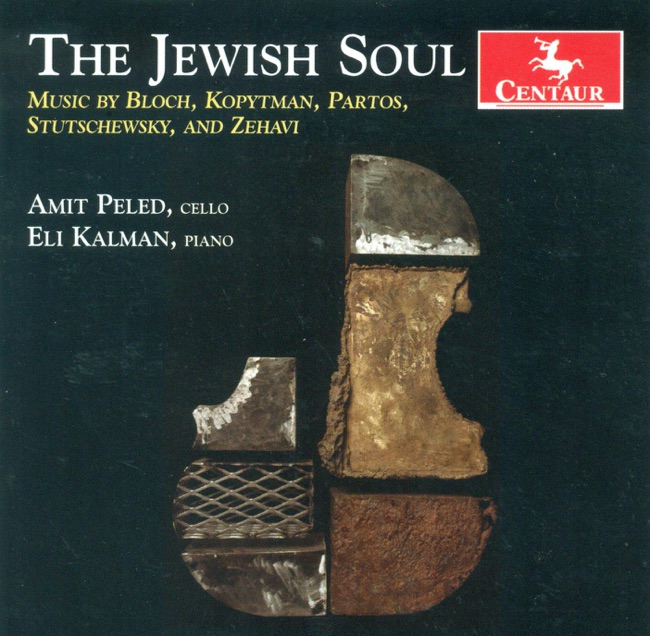
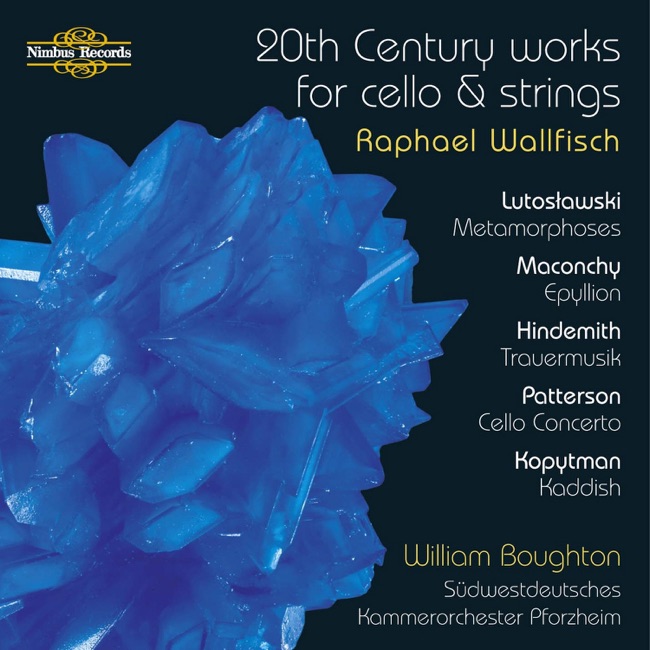
Works Info
Composer:Mark KopytmanGenre:OrchestralStyle:OrchestralCompose Date:1966 - 1982Average_duration:14:55Movement_count:3Movement ....Kaddish is a composition by Mark Kopytman, a Ukrainian-born Israeli composer. It was composed in 1989 and premiered in Tel Aviv in the same year. The piece is a tribute to the composer's father, who was killed in the Holocaust. Kaddish is a Jewish prayer recited in memory of the dead, and the composition reflects the solemnity and reverence of this tradition. Kaddish is a single-movement work that lasts approximately 15 minutes. The piece is scored for a mixed choir and a chamber orchestra consisting of strings, woodwinds, brass, and percussion. The choir sings in Hebrew, and the text is taken from the Kaddish prayer. The music is characterized by a haunting and mournful quality, with long, sustained chords and a slow tempo. The orchestration is sparse, with the instruments used sparingly to create a sense of space and emptiness. The composition is divided into three sections, each with its own distinct character. The first section begins with a solo cello playing a mournful melody, which is then taken up by the choir. The music gradually builds in intensity, with the orchestra adding layers of sound to the texture. The second section is more introspective, with the choir singing softly and the orchestra providing a gentle accompaniment. The final section is the most dramatic, with the choir and orchestra reaching a climax before fading away into silence. Kaddish is a deeply personal work for Kopytman, and it reflects his own experiences as a Holocaust survivor. The music is somber and reflective, with a sense of loss and mourning pervading the entire composition. The use of the Kaddish prayer adds a spiritual dimension to the work, and the music is infused with a sense of reverence and respect for the dead. Overall, Kaddish is a powerful and moving composition that pays tribute to the victims of the Holocaust. The music is characterized by its simplicity and restraint, with Kopytman using the sparse orchestration to create a sense of space and emptiness. The piece is a testament to the enduring power of music to express the deepest emotions and to provide solace in times of grief.More....