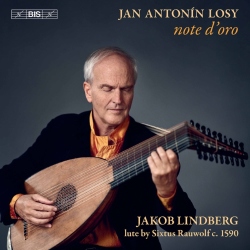
Jan Antonín Losy
Chaconne for lute in F major
Released Album
Recent Album
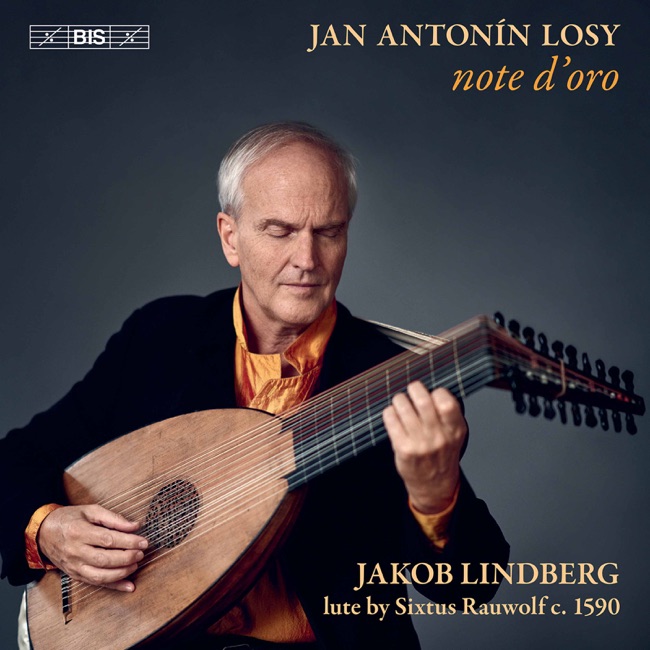
Works Info
Composer:Jan Antonín LosyGenre:ChamberAverage_duration:6:09Jan Antonín Losy, also known as Johann Anton Losy, was a Czech composer and lutenist who lived from 1649 to 1721. He was a prominent figure in the Baroque era, and his works for the lute are considered some of the finest examples of the genre. One of his most famous compositions is the Chaconne for lute in F major. The Chaconne for lute in F major was composed in the late 17th century, although the exact date is unknown. It is believed to have been written sometime between 1680 and 1700. The piece was originally written for the Baroque lute, which was a popular instrument during this time period. The Chaconne for lute in F major is a single-movement work that is characterized by its use of the chaconne form. The chaconne is a musical form that originated in Spain in the 16th century and was popularized in France during the Baroque era. It is a type of variation form in which a short harmonic progression, known as the chaconne bass, is repeated throughout the piece while the melody and other elements are varied. The Chaconne for lute in F major is a prime example of this form. The piece begins with the chaconne bass, which is a simple four-bar progression that is repeated throughout the entire piece. Over this bass, Losy weaves a complex and intricate melody that is full of ornamentation and virtuosic flourishes. The melody is divided into several sections, each of which is based on the chaconne bass but with variations in rhythm, harmony, and melody. The Chaconne for lute in F major is a challenging piece to play, requiring a high level of technical skill and musicality. It is known for its intricate fingerings, complex ornamentation, and demanding rhythmic patterns. Despite its difficulty, the piece has become a staple of the lute repertoire and is often performed by lutenists around the world. The Chaconne for lute in F major was not published during Losy's lifetime, and it was not until the 20th century that it was rediscovered and brought back into the repertoire. Today, it is considered one of Losy's finest works and a masterpiece of the Baroque lute repertoire.More....
Works Music
Released Music