Claudio Merulo
Maria Virgo Caelos Ascendit
Released Album
Recent Album
Works Info
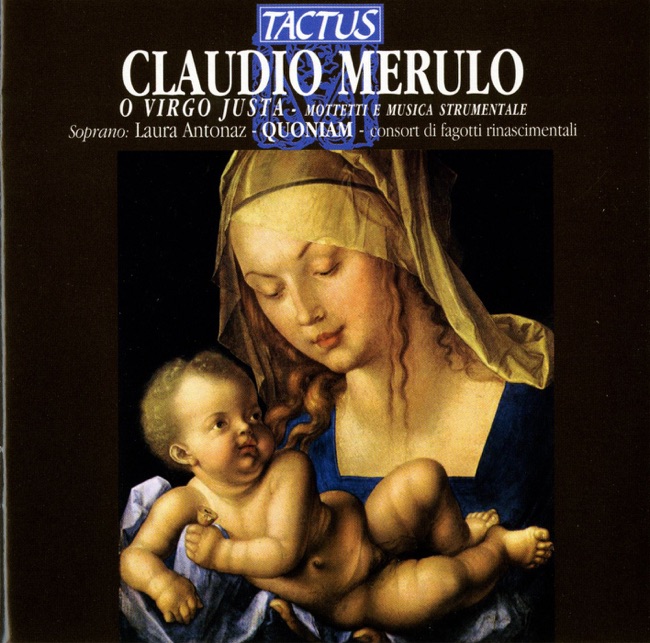
Composer:Claudio MeruloGenre:ChoralStyle:ChoralAverage_duration:2:15Claudio Merulo was an Italian composer of the late Renaissance period, born in Correggio in 1533. He was a prolific composer of both sacred and secular music, and his works were highly regarded during his lifetime. One of his most famous compositions is the motet "Maria Virgo Caelos Ascendit," which was composed in the late 16th century. The motet "Maria Virgo Caelos Ascendit" is a setting of the text from the Vesper hymn for the Feast of the Assumption of the Blessed Virgin Mary. The text describes the ascent of Mary into heaven, and Merulo's setting captures the joy and exaltation of the occasion. The motet is written for six voices, with two soprano, two alto, and two bass parts. The piece is divided into three movements, each of which is characterized by its own unique musical style. The first movement is a lively and energetic setting of the opening text, "Maria Virgo Caelos Ascendit." The music is marked by its rhythmic vitality and its use of imitative counterpoint, with each voice taking turns singing the main melody. The second movement is a more contemplative setting of the text "Quae est ista quae progreditur." The music is slower and more introspective, with a more homophonic texture that emphasizes the beauty of the text. The voices blend together in a rich and harmonious sound, creating a sense of peace and serenity. The final movement is a triumphant setting of the text "Assumpta est Maria in caelum." The music is marked by its grandeur and majesty, with soaring melodies and rich harmonies that evoke the glory of Mary's ascent into heaven. The voices build to a powerful climax, creating a sense of awe and wonder. "Maria Virgo Caelos Ascendit" was premiered in the late 16th century, and it quickly became one of Merulo's most popular works. Its combination of lively rhythms, rich harmonies, and expressive melodies made it a favorite of both performers and audiences. Today, it remains a beloved piece of sacred music, and it continues to be performed and recorded by choirs around the world.More....
Works Music