


Claudio Merulo
Released Album
Keyboard
-
 October 13, 2017
 -
-
 June 10, 2016
 -
-
 September 27, 2013
 -
 July 1, 2013
Chamber
-
 February 28, 2006
 -
 August 9, 2005
 -
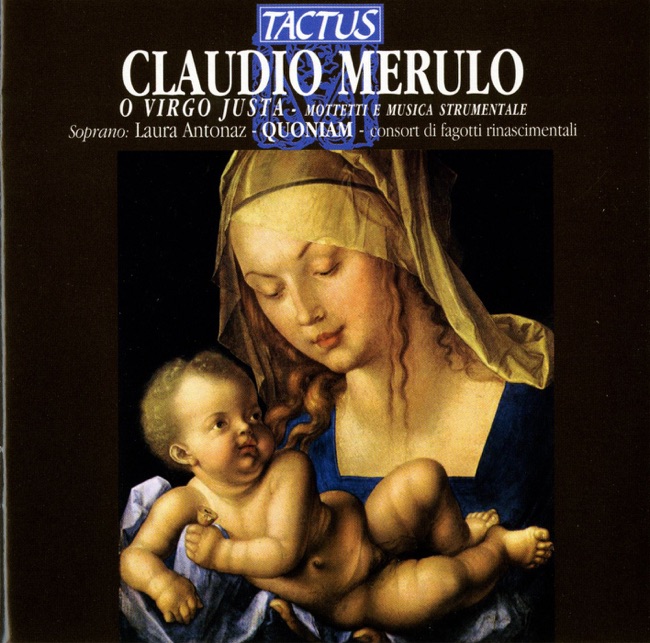 August 3, 2004
 -
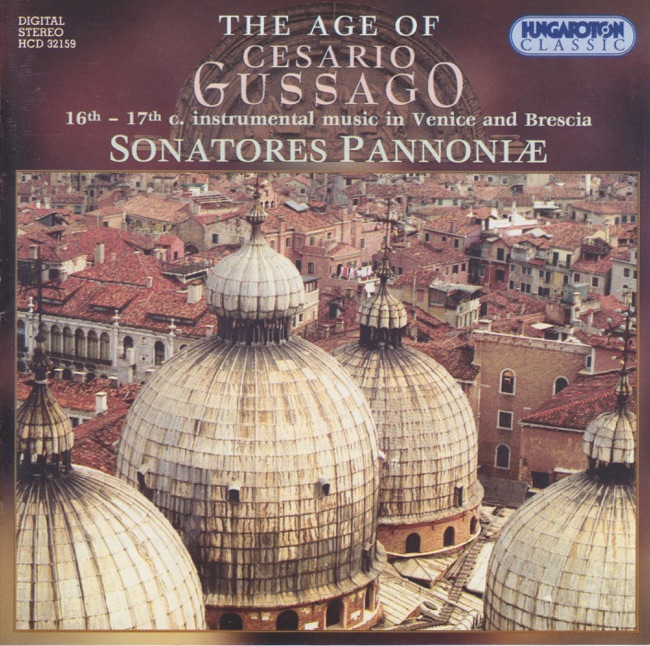 January 5, 2003
 -
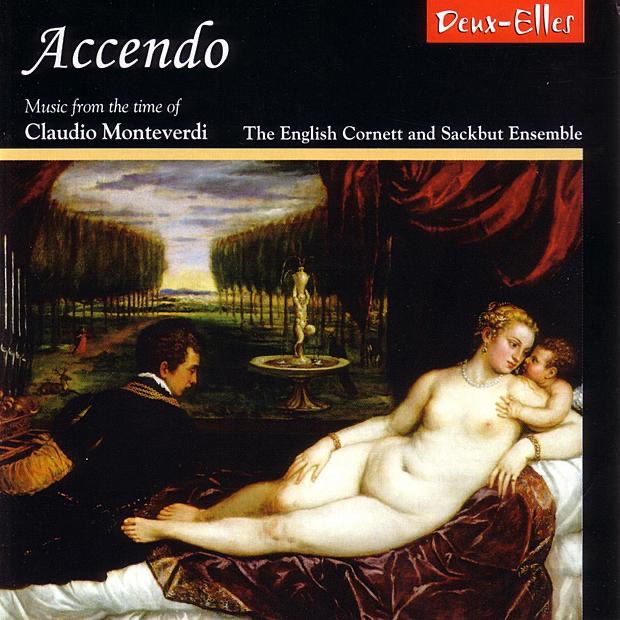 January 1, 2001
 -
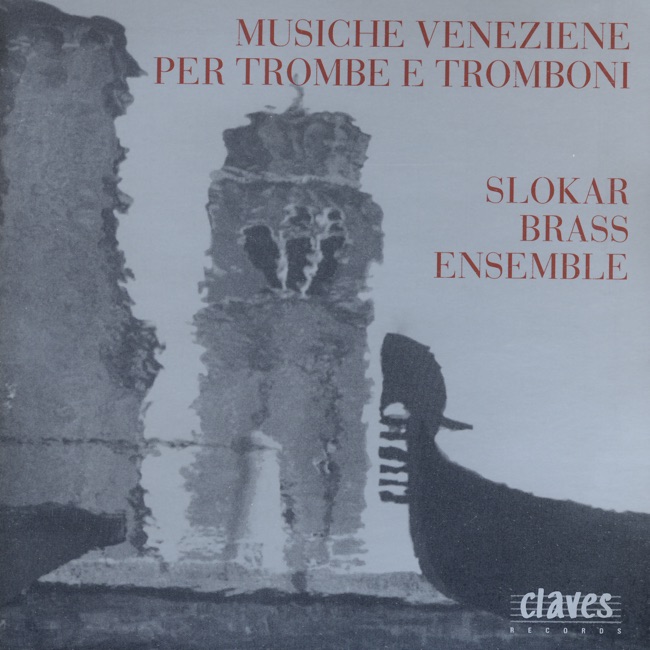 October 1, 1999
Choral
-
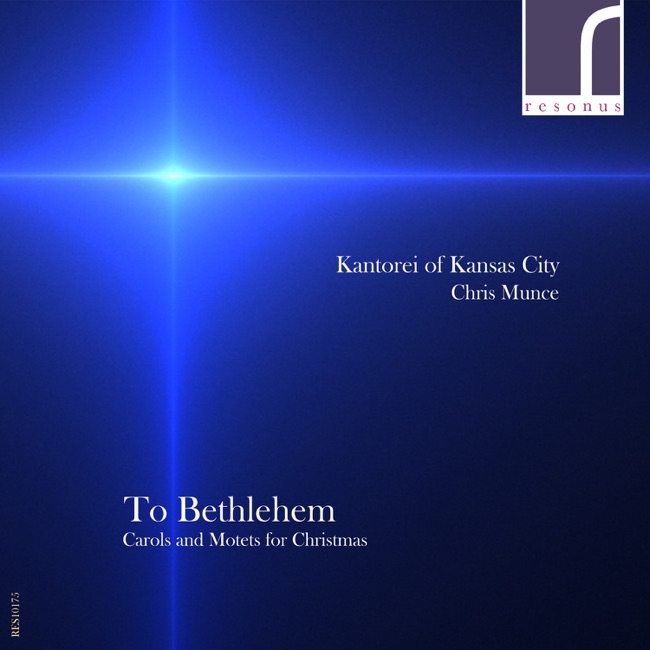 November 11, 2016
 -
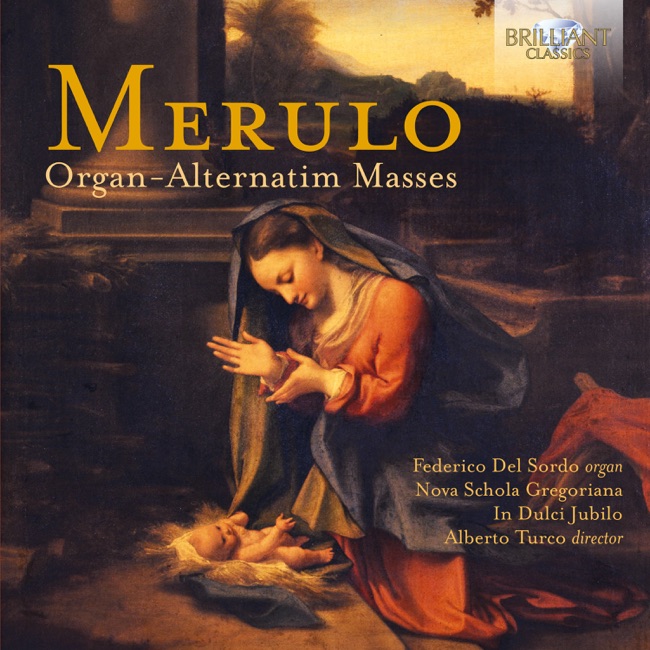 March 25, 2016
 -
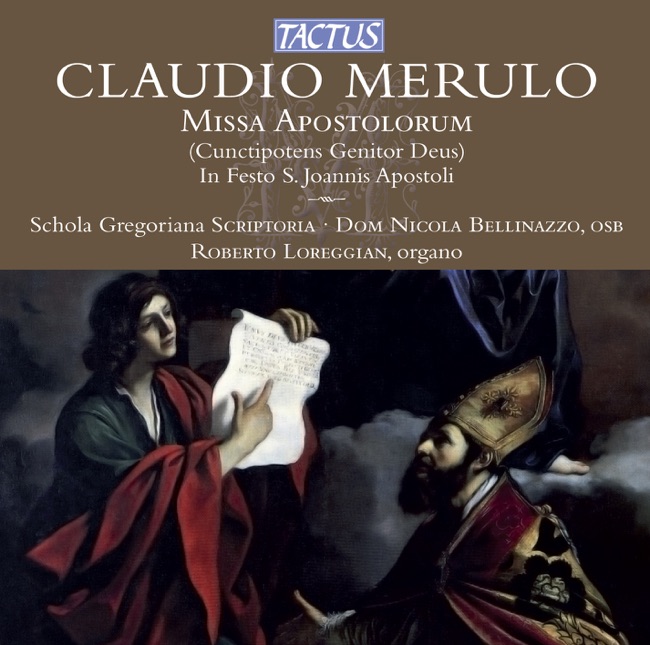 October 1, 2012
 -
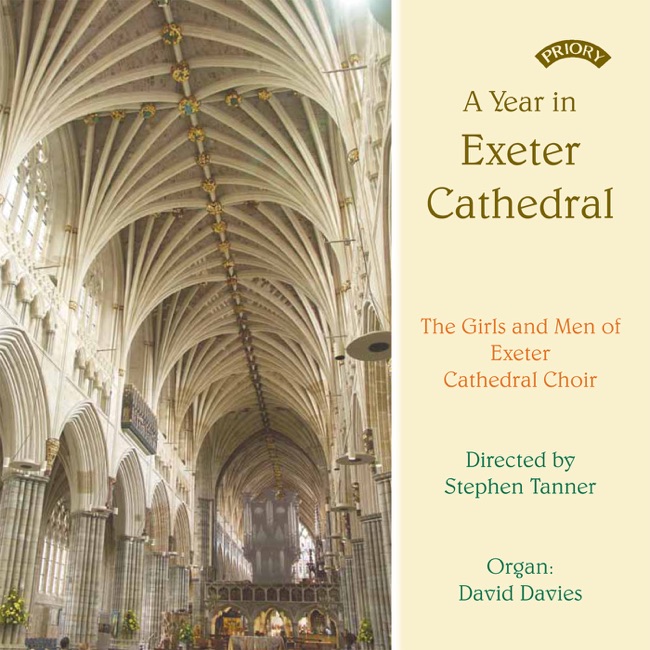 July 2, 2012
 -
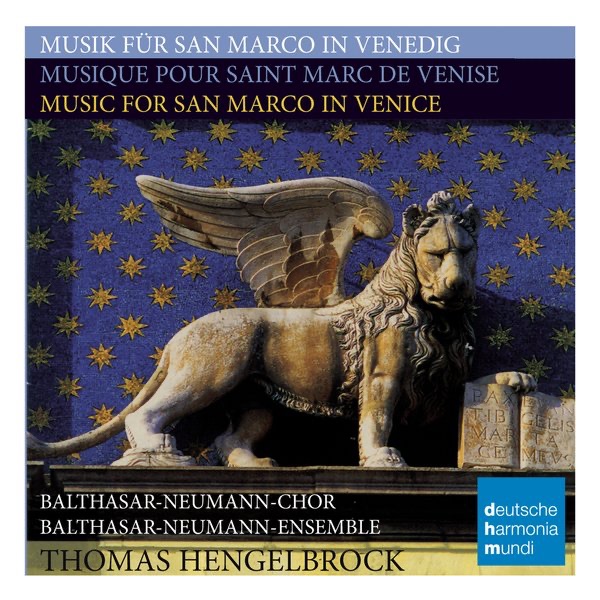 April, 2001
 -
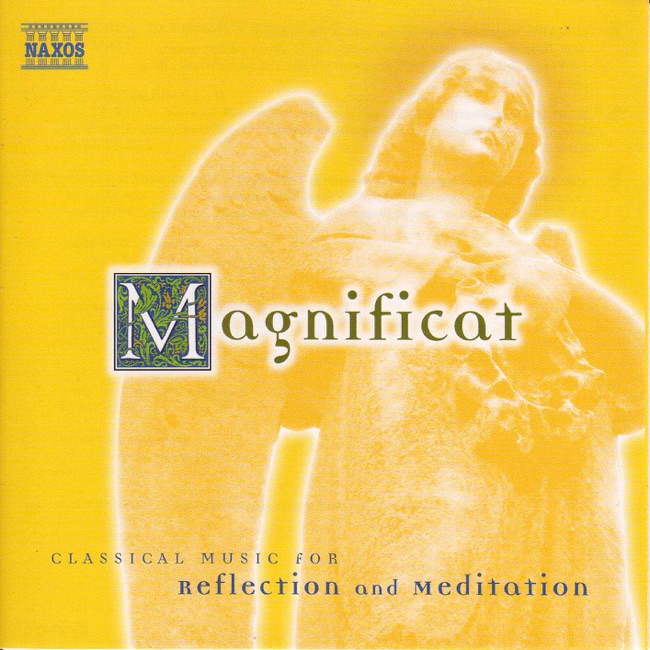 March 27, 2001
Vocal
-
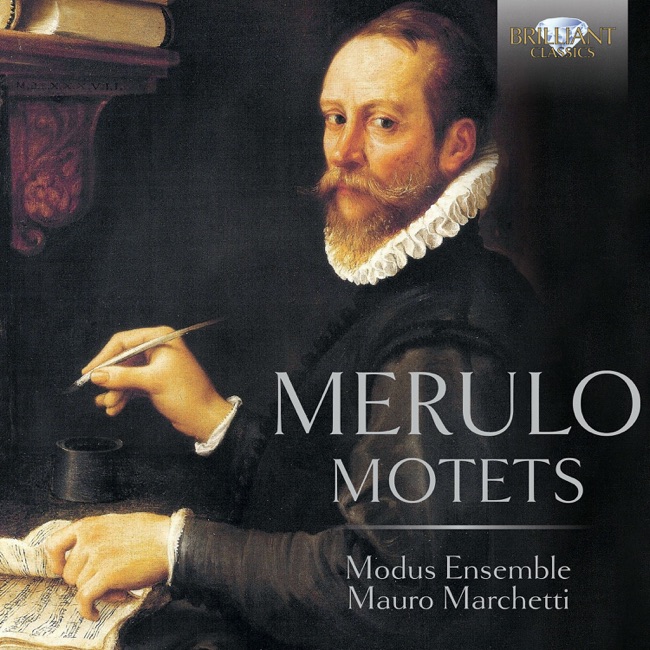 April 29, 2016
Artist Info
Role:ComposerCountry: ItalyBirth:April 8, 1533 in Correggio, ItalyDeath:May 5, 1604 in Parma, ItalyPeriod:RenaissanceGenre:ChamberKeyboardClaudio Merulo was a prominent Italian composer and organist of the late Renaissance period. He was born on April 8, 1533, in Correggio, a small town in the province of Reggio Emilia, Italy. Merulo was born into a family of musicians, and his father, Giambattista Merulo, was a well-known organist and composer. Merulo's early musical training was under his father's guidance, and he showed exceptional talent from a young age. Merulo's musical education continued in Venice, where he studied with the renowned composer and organist, Adrian Willaert. Willaert was a significant influence on Merulo's musical style, and he introduced him to the Venetian polychoral style, which was characterized by the use of multiple choirs and instrumental groups. Merulo's exposure to this style had a profound impact on his compositions, and he became one of the leading exponents of the polychoral style. Merulo's career as a composer and organist began in earnest in 1556 when he was appointed as the organist at the Cathedral of Brescia. He held this position for four years before moving to Parma, where he served as the organist at the Cathedral of Santa Maria della Steccata. Merulo's reputation as a composer and organist continued to grow, and in 1566, he was appointed as the organist at the Basilica of San Marco in Venice, one of the most prestigious musical positions in Italy. Merulo's tenure at San Marco was a period of great creativity, and he composed some of his most significant works during this time. His compositions were highly regarded, and he was considered one of the leading composers of his time. Merulo's music was characterized by its complexity and virtuosity, and he was particularly skilled at writing for the organ. His compositions for the instrument were highly innovative, and he was one of the first composers to use the pedalboard extensively. Merulo's output as a composer was extensive, and he wrote music in a variety of genres, including sacred music, secular vocal music, and instrumental music. His sacred music included masses, motets, and hymns, and he was particularly skilled at writing for multiple choirs. His secular vocal music included madrigals and canzonettas, and he was one of the leading composers of the genre. Merulo's instrumental music included works for the organ, harpsichord, and other keyboard instruments. One of Merulo's most significant works is his Toccata del secondo tono, which is considered one of the most important works in the organ repertoire. The piece is characterized by its virtuosic writing and its use of the pedalboard, and it is a testament to Merulo's skill as a composer and organist. Another notable work is his Canzona in G minor, which is a masterpiece of the polychoral style. The piece is scored for two choirs and is characterized by its complex counterpoint and its use of chromaticism. Merulo's influence on music was significant, and his compositions were highly regarded by his contemporaries. He was particularly influential in the development of the polychoral style, and his use of the pedalboard in his organ compositions was highly innovative. Merulo's music was also influential in the development of the Baroque period, and his virtuosic writing for the organ was a precursor to the works of later composers such as Johann Sebastian Bach. Merulo continued to compose and perform throughout his life, and he held several prestigious musical positions in Italy.More....
Recent Artist Music
2
3:55
10

4:38
13
Toccata for organ No. 11 in tone 5 (Toccatas on organ tablature, Book 2)
Toccata Undecimo detto Quinto tuono
6:1
Copyright Ⓒ 2013 Davinci Finger. All rights reseved
Service Terms & Policy