György Kurtág
Scenes From a Novel, Op. 19
Released Album
Recent Album
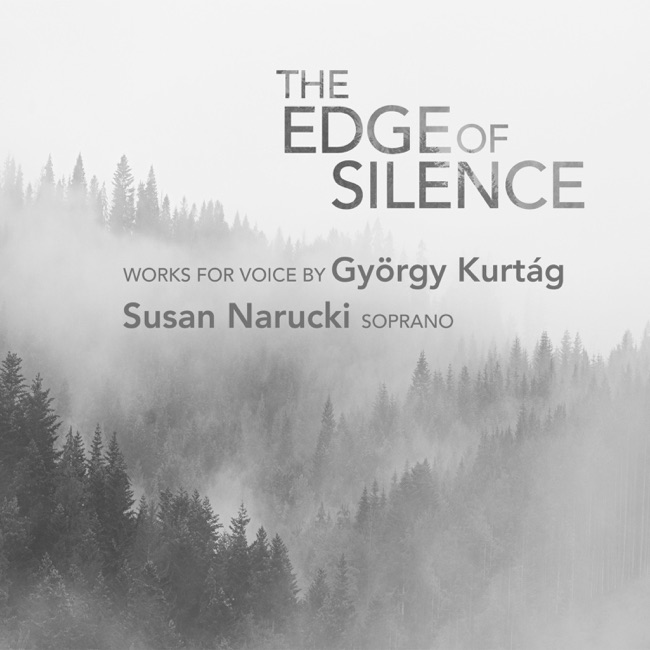
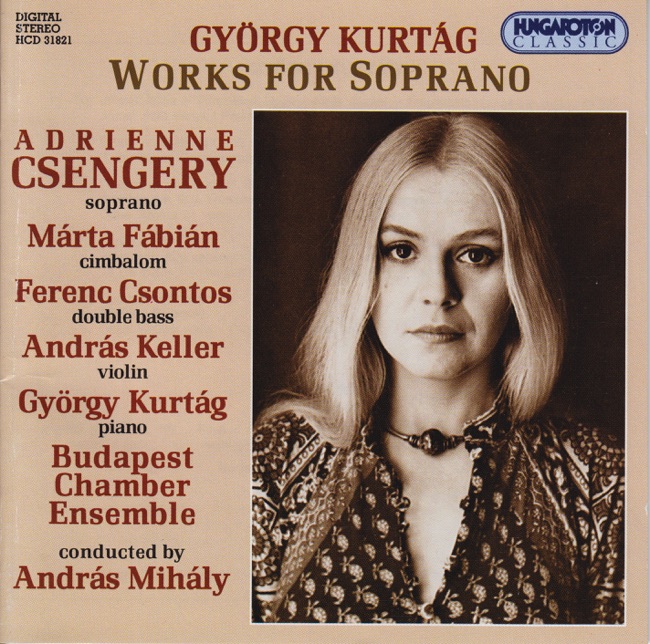
Works Info
Composer:György KurtágGenre:VocalStyle:Vocal MusicCompose Date:1982Average_duration:19:19Movement_count:15Movement ....Scenes From a Novel, Op. 19 is a composition for solo piano by Hungarian composer György Kurtág. It was composed between 1978 and 1982 and premiered in Budapest in 1984. The piece is divided into eight movements, each of which is based on a different literary work. The first movement, "The Cries of Birds and the Noise of Animals," is based on a poem by the Hungarian poet Sándor Weöres. It is characterized by its use of dissonant harmonies and fragmented melodies. The second movement, "The Nightingale's Song," is based on a poem by the German poet Rainer Maria Rilke. It is a slow, mournful piece that features a simple, repetitive melody. The third movement, "The Wind," is based on a poem by the Hungarian poet Attila József. It is a fast, frenetic piece that features rapid, staccato notes and sudden shifts in dynamics. The fourth movement, "The Old Man's Dreams," is based on a short story by the Russian writer Fyodor Dostoevsky. It is a slow, introspective piece that features a simple, melancholy melody. The fifth movement, "The Diary of a Fly," is based on a short story by the Czech writer Franz Kafka. It is a fast, playful piece that features a lively, syncopated rhythm. The sixth movement, "The Flowers We Are," is based on a poem by the Hungarian poet Endre Ady. It is a slow, lyrical piece that features a simple, beautiful melody. The seventh movement, "The Jester's Dance," is based on a poem by the Hungarian poet János Pilinszky. It is a fast, playful piece that features a lively, syncopated rhythm. The final movement, "The End," is based on a poem by the Hungarian poet Gyula Illyés. It is a slow, mournful piece that features a simple, repetitive melody. Overall, Scenes From a Novel, Op. 19 is a complex and challenging work that showcases Kurtág's unique compositional style. It is characterized by its use of dissonant harmonies, fragmented melodies, and sudden shifts in dynamics and tempo. Despite its difficulty, it is widely regarded as a masterpiece of contemporary piano music.More....
Works Music
Released Music