Rudolf Escher
Le Tombeau de Ravel
Released Album
Recent Album
Featured Album
Works Info
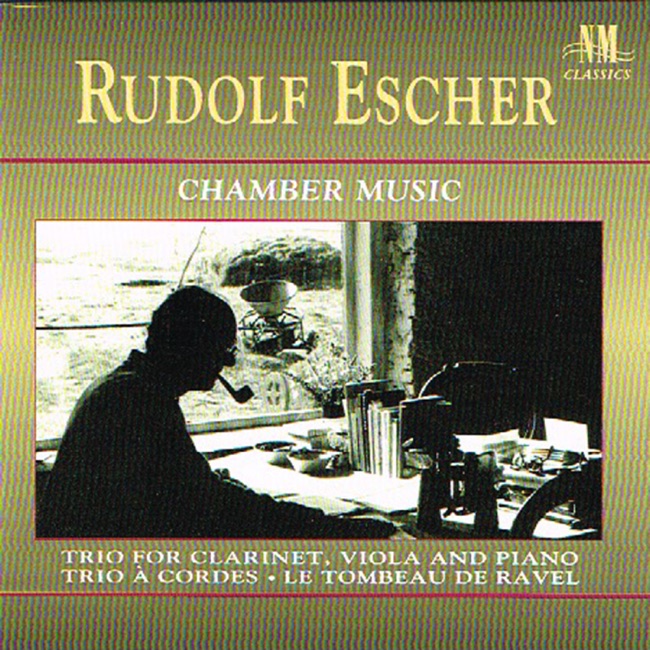
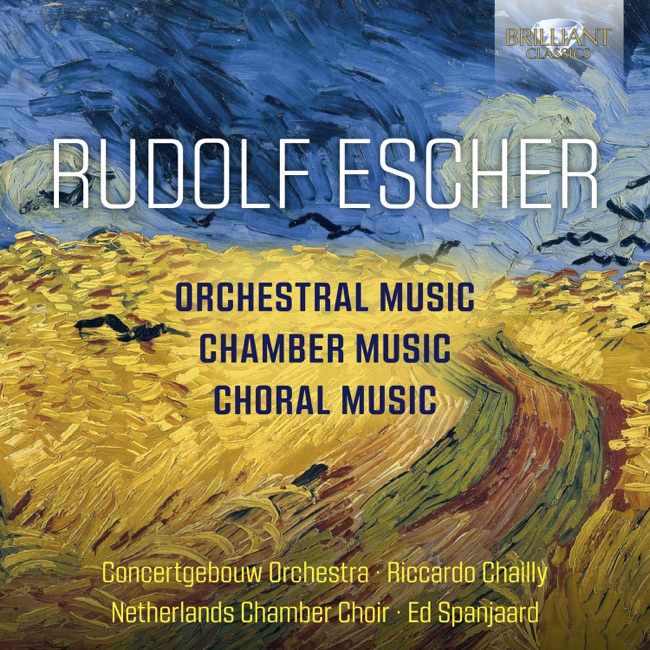
Composer:Rudolf EscherGenre:MiscellaneousStyle:MiscellaneousAverage_duration:25:01Le Tombeau de Ravel is a composition by Dutch composer Rudolf Escher, written in 1958 as a tribute to the French composer Maurice Ravel, who had died in 1937. The piece was premiered on November 22, 1959, by the Concertgebouw Orchestra in Amsterdam, conducted by Bernard Haitink. The composition consists of five movements, each of which is based on a different work by Ravel. The first movement, "Prelude," is based on Ravel's Prelude from Le Tombeau de Couperin. The second movement, "Forlane," is based on Ravel's Forlane from Le Tombeau de Couperin. The third movement, "Menuet," is based on Ravel's Menuet from Le Tombeau de Couperin. The fourth movement, "Rigaudon," is based on Ravel's Rigaudon from Le Tombeau de Couperin. The final movement, "Epilogue," is based on Ravel's Pavane pour une infante défunte. Escher's Le Tombeau de Ravel is characterized by its use of serialism, a compositional technique that involves the use of a series of musical pitches, rhythms, or other elements to create a musical structure. Escher's use of serialism in Le Tombeau de Ravel is particularly notable for its subtlety and restraint, as he uses the technique to create a sense of unity and coherence throughout the piece without sacrificing the individual character of each movement. Overall, Le Tombeau de Ravel is a masterful tribute to one of the great composers of the 20th century, and a testament to Escher's own skill and creativity as a composer. Its premiere in 1959 was a significant event in the Dutch musical world, and it remains an important work in the repertoire of contemporary classical music.More....
Works Music
Released Music
Featured Music