


Rudolf Escher
Released Album
Chamber
-
-
 July 9, 2012
 -
 November 9, 2010
 -
 May 9, 2006
 -
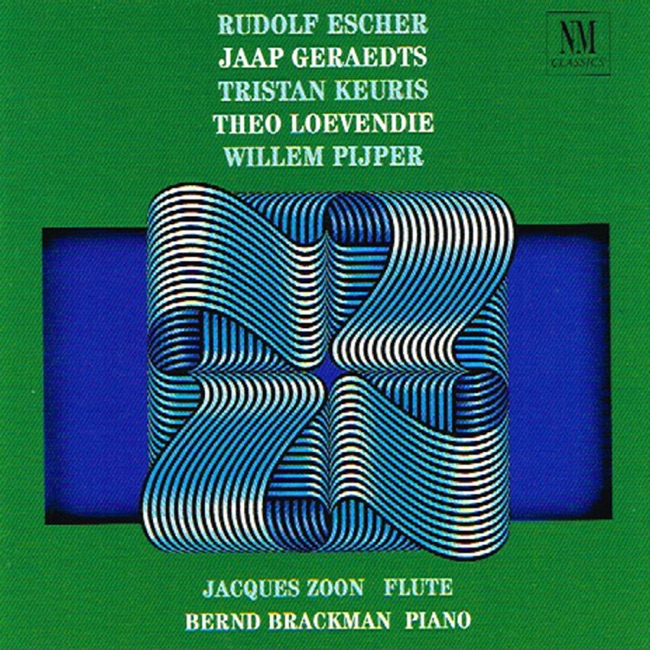 October 24, 2005
 -
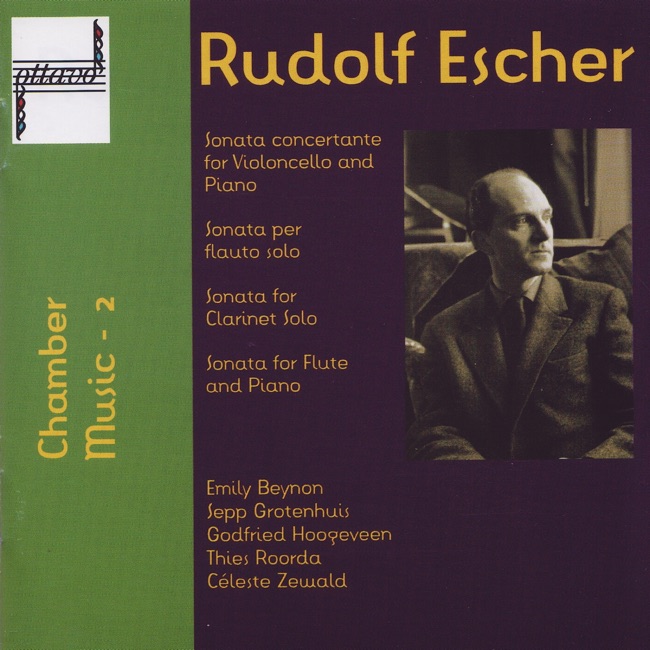 July 26, 2005
Keyboard
-
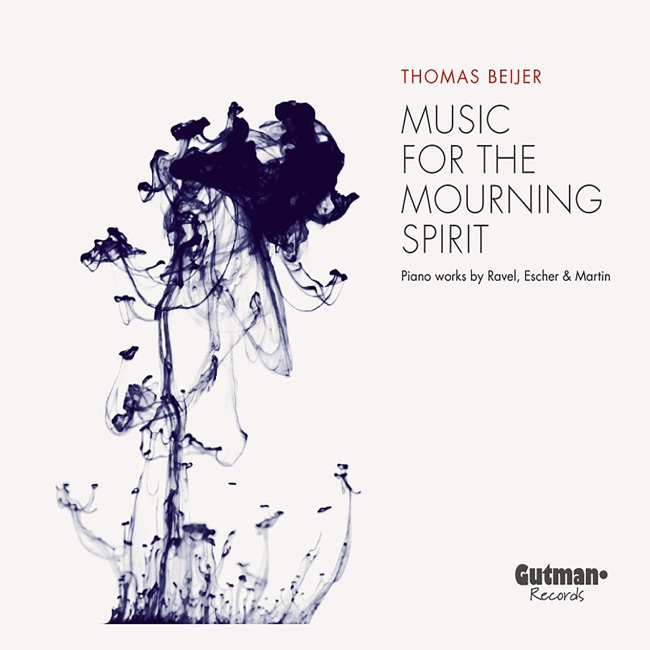 September 8, 2017
 -
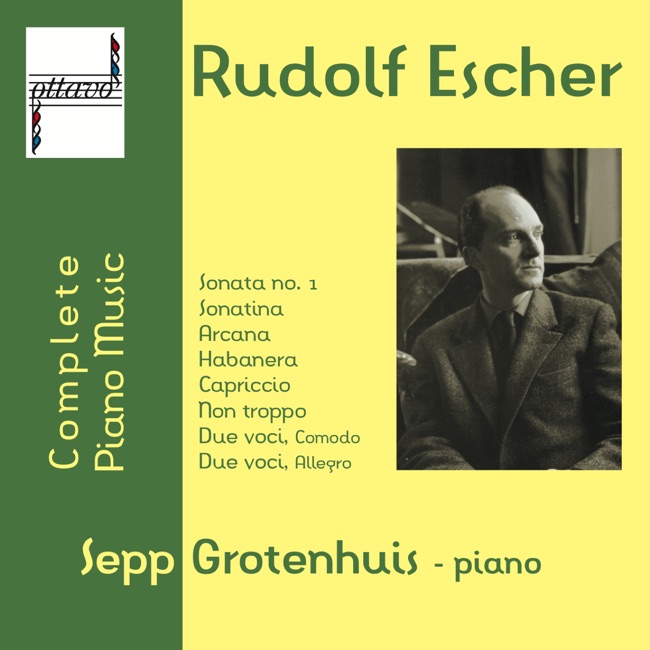 April 9, 2002
Orchestral
Miscellaneous
-
 October 15, 1999
Artist Info
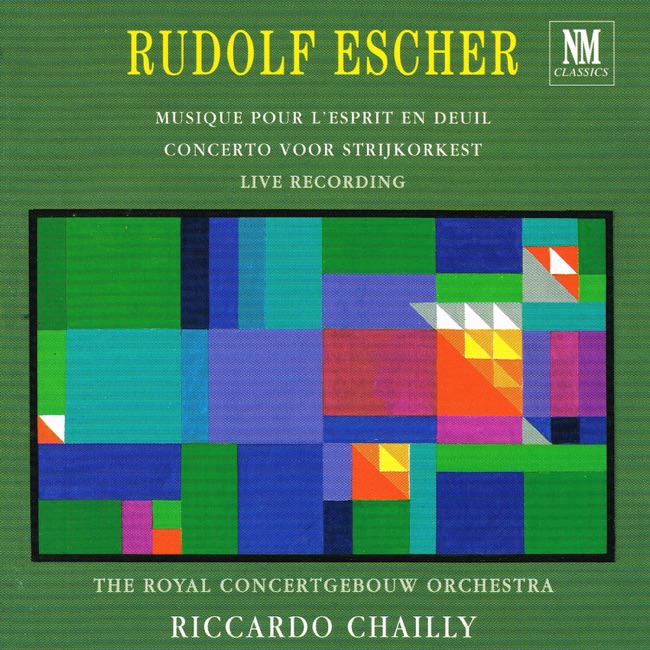
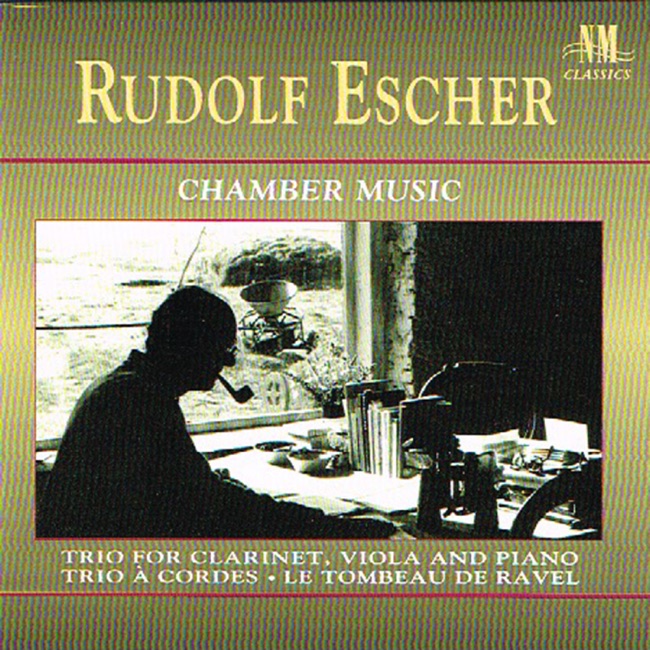
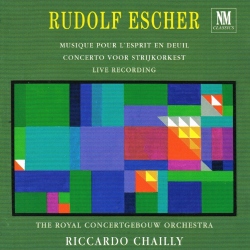
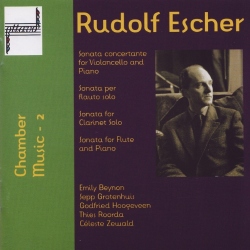
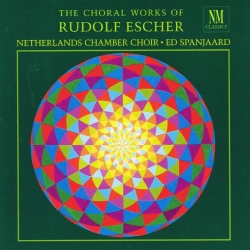
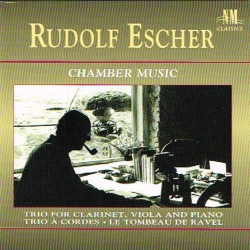
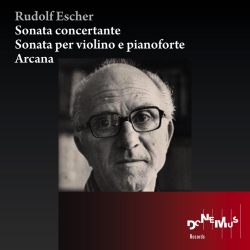
Role:ComposerBirth:January 8, 1912 in Amsterdam, The NetherlandsDeath:March 17, 1980Period:ModernGenre:ChamberKeyboardOrchestralVocalRudolf Escher was a Dutch composer who was born on March 8, 1912, in Amsterdam. He was the son of a wealthy businessman and grew up in a cultured environment. His father was a lover of music and art, and this had a significant influence on Escher's early life. He began playing the piano at a young age and showed a natural talent for music. Escher's formal music education began at the Amsterdam Conservatory, where he studied composition with Willem Pijper. Pijper was a prominent Dutch composer and a leading figure in the Dutch musical avant-garde. Escher was deeply influenced by Pijper's ideas and techniques, and this would shape his own musical style. Escher's early works were heavily influenced by the music of Stravinsky and Bartok. He was particularly drawn to the rhythmic and harmonic complexities of their music. However, he also had a strong interest in the music of the Renaissance and Baroque periods. This interest would lead him to explore the use of ancient modes and forms in his own compositions. Escher's first major work was his Symphony No. 1, which he composed in 1937. The symphony was well-received and established Escher as a promising young composer. However, it was his next work, the String Quartet No. 1, that would cement his reputation as one of the leading composers of his generation. The String Quartet No. 1 was composed in 1939 and premiered the following year. The work is notable for its use of ancient modes and forms, as well as its complex rhythmic and harmonic structures. The quartet was praised for its originality and sophistication, and it remains one of Escher's most popular works. Escher's music continued to evolve throughout the 1940s and 1950s. He became increasingly interested in the music of the Far East and began incorporating elements of Japanese and Indonesian music into his compositions. This can be heard in works such as the Piano Sonata No. 2 and the orchestral work Musique pour l'esprit en deuil. Escher's music also became more introspective and personal during this period. He began exploring themes of mortality and spirituality in works such as the String Quartet No. 2 and the orchestral work Arcana Musae Dona. These works are characterized by their haunting melodies and ethereal textures. Escher's later works were marked by a return to more traditional forms and techniques. He began composing more works for solo instruments, such as the Sonata for Solo Violin and the Sonata for Solo Cello. These works are notable for their technical virtuosity and emotional depth. Escher's final work was the orchestral work Trois Hommages, which he composed in 1980. The work is a tribute to three of Escher's musical heroes: Stravinsky, Bartok, and Pijper. It is a fitting tribute to the composers who had such a profound influence on Escher's own music. Rudolf Escher died on September 17, 1980, in Amsterdam. He left behind a rich legacy of music that continues to be performed and admired today. His music is characterized by its originality, sophistication, and emotional depth. Escher was a true original, and his music remains a testament to his unique artistic vision.More....
Recent Artist Music

13
8:5
14
3:37
Copyright Ⓒ 2013 Davinci Finger. All rights reseved
Service Terms & Policy