Tomás Luis de Victoria
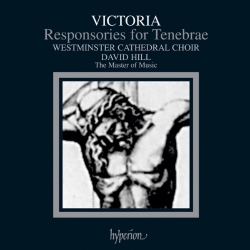
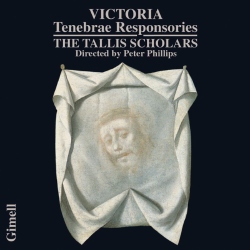
Tenebrae factae sunt
Released Album
Recent Album

Featured Album
Works Info
Composer:Tomás Luis de VictoriaGenre:ChoralStyle:ChoralPublication Date:1585Average_duration:4:32Tenebrae factae sunt is a sacred motet composed by the Spanish composer Tomás Luis de Victoria. It was composed in the late 16th century and is considered one of Victoria's most famous works. The piece was written for the Catholic liturgy of Holy Week and is typically performed during the Tenebrae service on Holy Wednesday. The motet is written for four voices (soprano, alto, tenor, and bass) and is divided into three movements. The first movement begins with a somber and mournful tone, with the voices singing in unison. The second movement is more complex, with the voices weaving in and out of each other in a polyphonic texture. The final movement returns to the simplicity of the first, with the voices once again singing in unison. The text of the motet is taken from the Gospel of St. John, chapter 13, verse 30: "Tenebrae factae sunt, dum crucifixissent Jesum Judaei" (Darkness fell upon the earth when the Jews crucified Jesus). The text is sung in Latin, which was the language of the Catholic liturgy at the time. The piece is characterized by its use of dissonance and chromaticism, which create a sense of tension and unease. Victoria's use of polyphony also adds to the complexity of the piece, with the voices often singing different melodies at the same time. The motet is also notable for its use of dynamics, with the voices alternating between loud and soft passages to create a sense of drama and emotion. Tenebrae factae sunt was first performed in the late 16th century, likely in the chapel of the Collegium Germanicum in Rome, where Victoria was working at the time. The piece has since become a staple of the Catholic liturgy during Holy Week and is still performed today by choirs around the world.More....
Works Music
Released Music

Featured Music