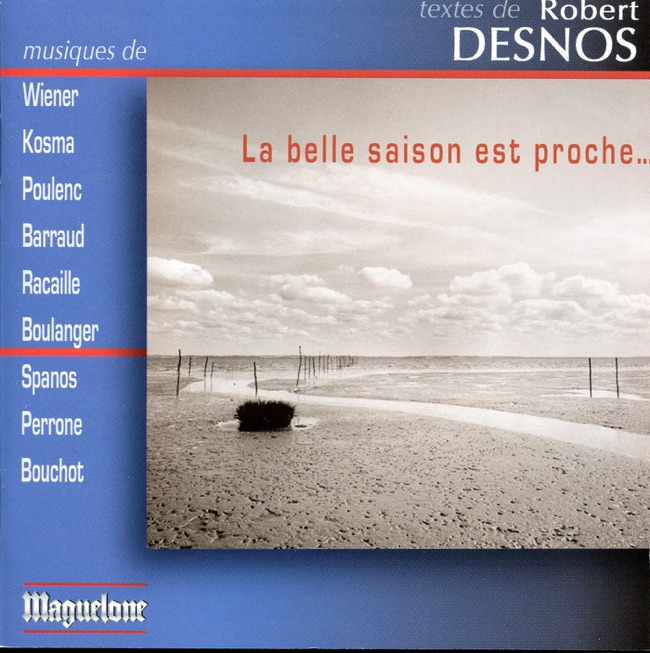
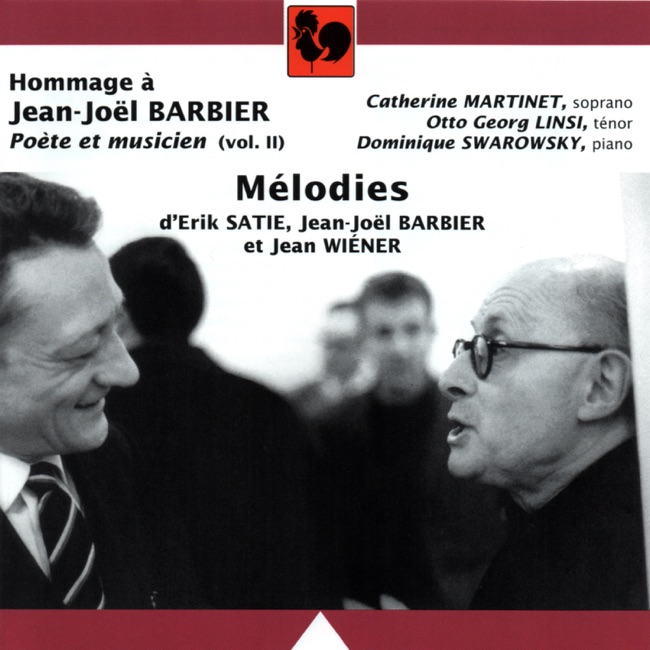
Jean Wiéner
L'Orchidée et la Pensée
Released Album
Recent Album
Works Info
Composer:Jean WiénerGenre:VocalStyle:Vocal MusicAverage_duration:0:52L'Orchidée et la Pensée is a composition by French composer Jean Wiéner. It was composed in 1932 and premiered on May 12, 1933, at the Salle Pleyel in Paris. The piece is divided into three movements and is scored for a small orchestra consisting of flute, oboe, clarinet, bassoon, horn, trumpet, percussion, harp, and strings. The first movement, titled "L'Orchidée," is a slow and sensual piece that evokes the delicate beauty of the orchid flower. The music is characterized by lush harmonies and a lyrical melody that is passed between the different sections of the orchestra. The use of the harp and strings creates a dreamy and ethereal atmosphere, while the percussion adds a subtle rhythmic pulse. The second movement, titled "La Pensée," is a more introspective and contemplative piece. The music is characterized by a haunting melody played by the oboe and clarinet, which is then echoed by the strings. The use of dissonant harmonies and unconventional chord progressions creates a sense of tension and unease, reflecting the complex and often conflicting nature of human thought. The final movement, titled "L'Orchidée et la Pensée," brings together the themes of the previous two movements in a grand and sweeping finale. The music is characterized by a sense of triumph and resolution, as the different sections of the orchestra come together in a powerful and unified statement. The use of brass and percussion adds a sense of grandeur and majesty, while the strings and harp provide a sense of delicacy and refinement. Overall, L'Orchidée et la Pensée is a masterful work that showcases Wiéner's skill as a composer. The piece is characterized by its lush harmonies, lyrical melodies, and unconventional chord progressions, which create a sense of depth and complexity. The use of different instrumental colors and textures adds a sense of variety and interest, while the overall structure of the piece creates a sense of unity and coherence.More....