


Jean Wiéner
Released Album
Keyboard
-
 May 21, 2022
 -
 April 8, 2022
 -
 November 5, 2021
 -
 June 9, 2020
 -
 March 27, 2020
 -
 November 18, 2016
Vocal
-
 November 20, 2020
 -
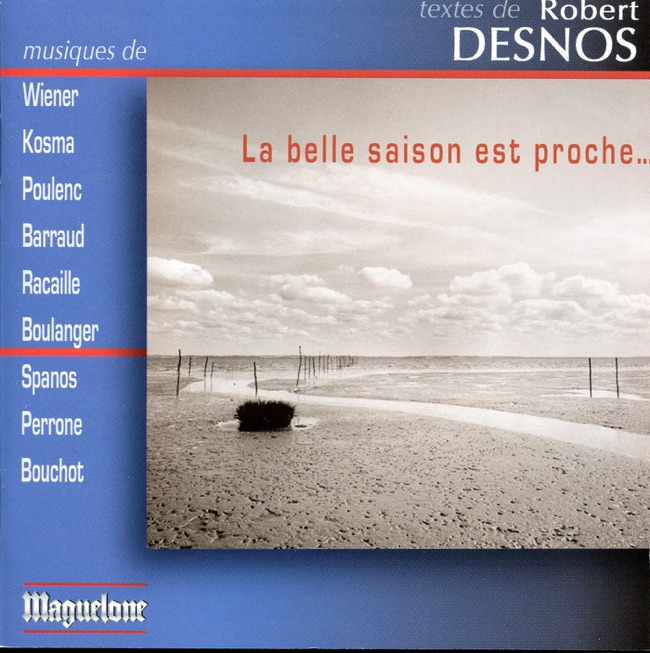 June 25, 2013
 -
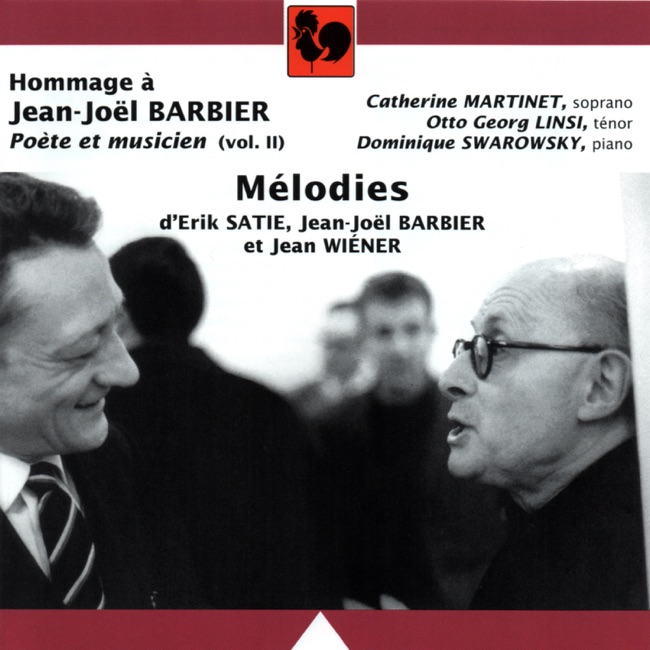 January 29, 2002
 -
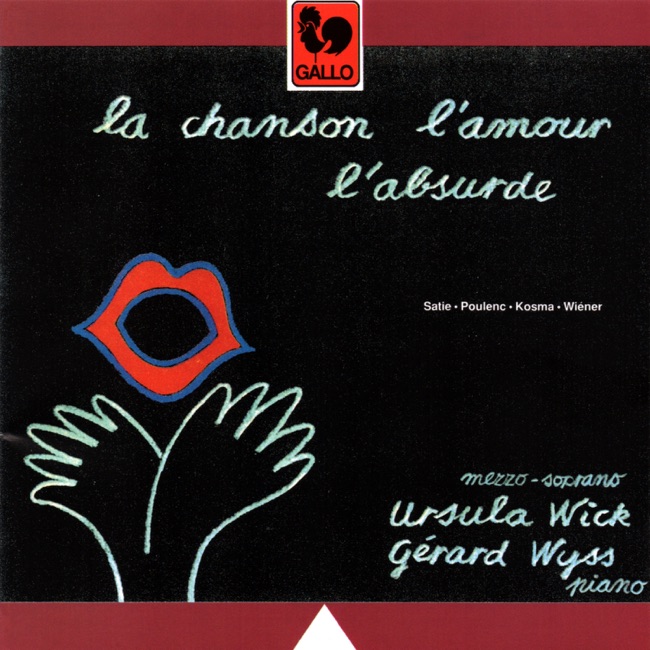
Artist Info
Role:ComposerCountry: FranceBirth:March 19, 1896 in Paris, FranceDeath:June 8, 1982 in Paris, FranceGenre:KeyboardVocalJean Wiéner was a French composer and pianist who was born on March 24, 1896, in Paris, France. He was the son of a wealthy Jewish family, and his father was a successful businessman. Wiéner showed an early interest in music and began studying the piano at a young age. He was a prodigious talent and quickly became known for his virtuosic playing. Wiéner's musical education began at the Paris Conservatory, where he studied under the renowned composer and pianist Maurice Ravel. Ravel was impressed by Wiéner's talent and took him under his wing, teaching him composition and encouraging him to pursue a career in music. Wiéner also studied with other notable composers, including Paul Dukas and Vincent d'Indy. In 1914, Wiéner was drafted into the French army to fight in World War I. He served as a stretcher-bearer and was wounded in battle. After the war, he returned to Paris and resumed his musical studies. He began composing his own music and quickly gained a reputation as a talented composer. Wiéner's music was heavily influenced by jazz and other popular music of the time. He was one of the first classical composers to incorporate jazz elements into his music, and his works were often characterized by their rhythmic complexity and use of syncopation. He also drew inspiration from the music of other cultures, including African and Middle Eastern music. One of Wiéner's most famous works is his Piano Concerto No. 1, which he composed in 1924. The concerto is a virtuosic showcase for the piano, with complex rhythms and intricate melodies. It was well-received by audiences and critics alike and helped establish Wiéner as a major figure in the French classical music scene. Wiéner continued to compose throughout the 1920s and 1930s, producing a wide range of works in various genres. He wrote several ballets, including La Nuit et le Moment and Le Bal des Insectes, as well as numerous chamber works and songs. He also collaborated with other artists, including the poet Paul Valéry and the painter Georges Braque. In 1940, Wiéner was forced to flee Paris due to the Nazi occupation of France. He and his family fled to the United States, where he continued to compose and perform. He became a professor of music at the New School for Social Research in New York City and continued to write music that blended classical and popular styles. Wiéner returned to France in 1946 and resumed his career as a composer and performer. He continued to write music that blended classical and popular styles, and his works were often characterized by their wit and humor. He also became a respected music critic, writing for several French publications. Wiéner's later works include his Piano Concerto No. 2, which he composed in 1952, and his String Quartet No. 3, which he wrote in 1958. He continued to compose and perform until his death on June 8, 1982, in Paris, France. Jean Wiéner was a pioneering composer who helped bridge the gap between classical and popular music. His works were characterized by their rhythmic complexity and use of jazz and other popular music elements. He was also a talented pianist and a respected music critic. Wiéner's legacy continues to influence contemporary classical music, and his works remain popular with audiences around the world.More....
Recent Artist Music

2
4:6

8

2:35




Copyright Ⓒ 2013 Davinci Finger. All rights reseved
Service Terms & Policy