Johann Sebastian Bach
Es spricht der unweisen Mund wohl, BWV 308
Released Album
Recent Album
Works Info
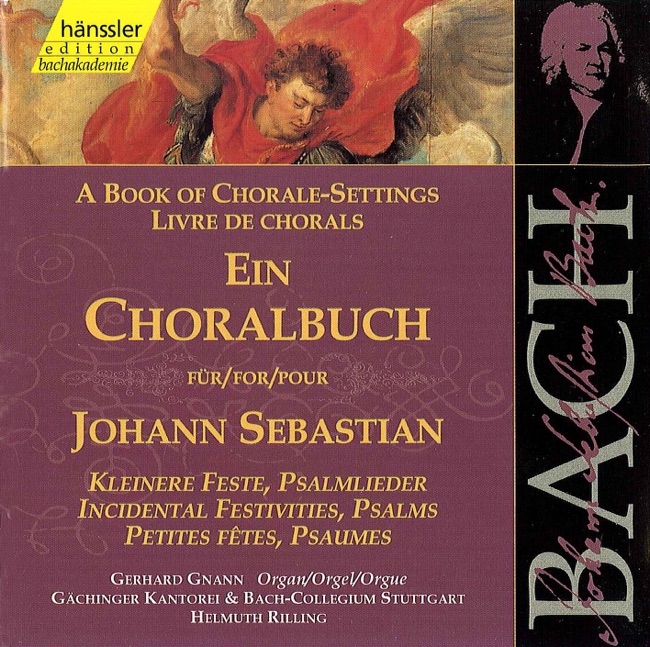
Composer:Johann Sebastian BachGenre:ChoralStyle:ChoraleCompose Date:before 1751Publication Date:1784 - 1787Average_duration:1:15"Es spricht der unweisen Mund wohl, BWV 308" is a sacred solo cantata composed by Johann Sebastian Bach. The piece was composed in Leipzig, Germany, in 1725. It was premiered on the 14th Sunday after Trinity, which fell on September 10, 1725, at the St. Thomas Church in Leipzig. The cantata consists of a single movement and is written for a bass soloist accompanied by a continuo. The text is taken from the Gospel of Luke, chapter 15, verses 1-10, and is a reflection on the parables of the lost sheep and the lost coin. The text speaks of the foolishness of those who do not seek out the lost and the joy that is felt when the lost are found. The piece begins with a recitative in which the bass soloist speaks of the foolishness of those who do not seek out the lost. The music is somber and reflective, with the continuo providing a simple accompaniment. The soloist then sings an aria in which he speaks of the joy that is felt when the lost are found. The music is more lively and joyful, with the continuo providing a more complex accompaniment. The piece ends with a short recitative in which the soloist speaks of the importance of seeking out the lost. The music is similar to the opening recitative, with the continuo providing a simple accompaniment. Overall, "Es spricht der unweisen Mund wohl, BWV 308" is a simple yet powerful piece that reflects on the importance of seeking out the lost. The music is reflective and somber at times, but also joyful and uplifting, reflecting the emotions expressed in the text.More....
Works Music
Released Music
1
1:47
2
1:37
3
1:1
6
1:33
7
55
8
1:1
9
1:12