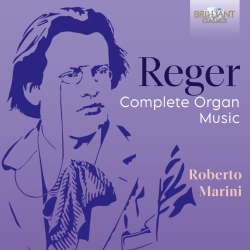
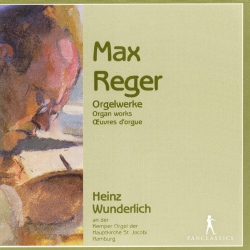
Max Reger
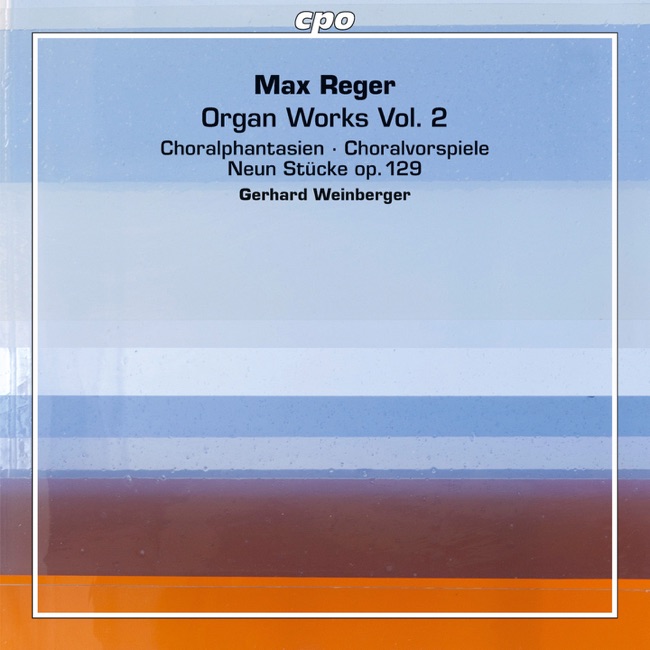
Pieces (9) for organ, Op. 129
Released Album
Recent Album
-
-
-
 Ante KnešaurekSeptember 8, 2020
 -
-
-
-
-
-
-
-
-
Works Info
Composer:Max RegerGenre:KeyboardStyle:KeyboardCompose Date:Sep 7, 1913First Performance:Oct 12, 1913Average_duration:30:56Movement_count:9Movement ....Max Reger's 'Pieces (9) for organ, Op. 129' is a collection of nine pieces for solo organ. The work was composed in 1913 and premiered on October 19, 1913, in the St. Paul's Church in Frankfurt, Germany. The nine pieces are each relatively short, with the longest being just over five minutes and the shortest being just over one minute. The first piece, "Praeludium," is a lively and energetic piece that sets the tone for the rest of the collection. It features a fast and intricate melody that is played throughout the piece, with occasional breaks for more contemplative sections. The second piece, "Fugue," is a more traditional fugue that showcases Reger's skill as a contrapuntalist. The piece features a complex interweaving of multiple melodies that build to a powerful climax. The third piece, "Intermezzo," is a slower and more contemplative piece that features a simple melody played over a series of chords. The piece is notable for its use of dissonance, which creates a sense of tension and unease. The fourth piece, "Scherzo," is a playful and lighthearted piece that features a fast and intricate melody played over a series of staccato chords. The piece is notable for its use of syncopation, which gives it a lively and energetic feel. The fifth piece, "Romanze," is a slow and lyrical piece that features a simple melody played over a series of arpeggios. The piece is notable for its use of chromaticism, which gives it a sense of melancholy and longing. The sixth piece, "Fuge," is another traditional fugue that showcases Reger's skill as a contrapuntalist. The piece features a complex interweaving of multiple melodies that build to a powerful climax. The seventh piece, "Benedictus," is a slow and contemplative piece that features a simple melody played over a series of chords. The piece is notable for its use of dissonance, which creates a sense of tension and unease. The eighth piece, "Toccata," is a fast and virtuosic piece that features a series of fast and intricate runs and arpeggios. The piece is notable for its use of counterpoint, which creates a sense of complexity and depth. The final piece, "Fantasia," is a grand and majestic piece that features a series of powerful chords and intricate melodies. The piece builds to a powerful climax before ending with a series of quiet chords. Overall, 'Pieces (9) for organ, Op. 129' is a complex and challenging work that showcases Reger's skill as a composer and his mastery of the organ. The collection features a wide range of styles and moods, from playful and lighthearted to contemplative and melancholy, and is a testament to Reger's versatility as a composer.More....
Works Music
Released Music