Heinrich Scheidemann
Omnia quae fecisti (after Lassus)
Released Album
Recent Album
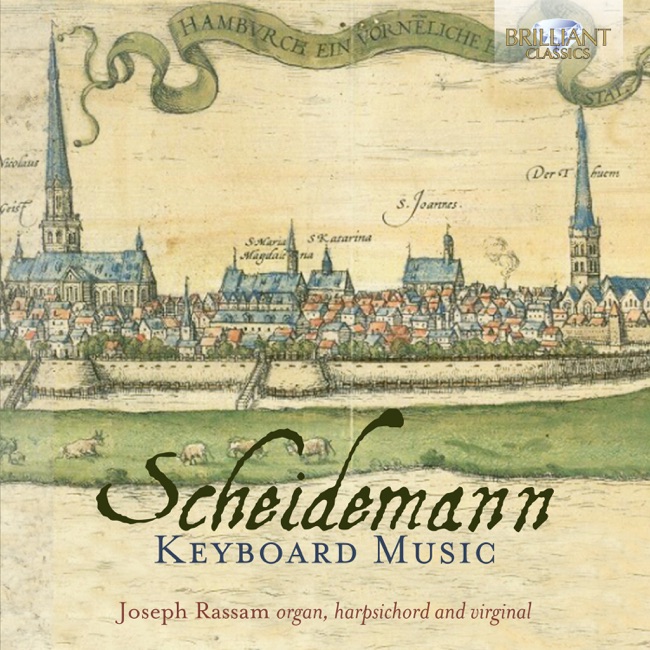
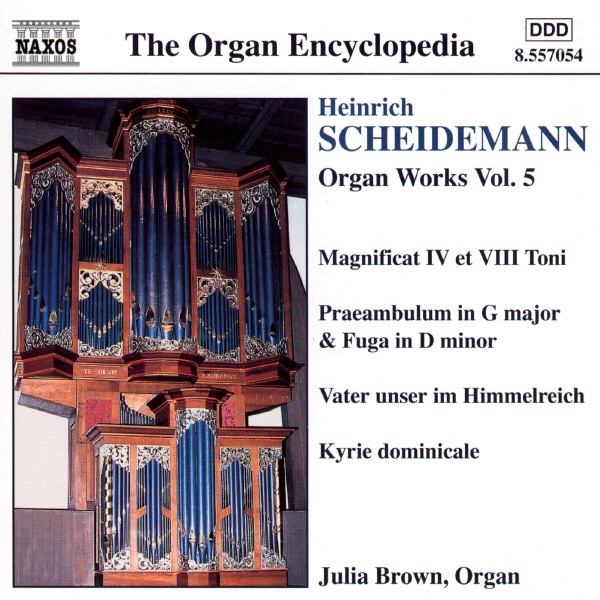
Works Info
Composer:Heinrich ScheidemannGenre:KeyboardStyle:KeyboardAverage_duration:7:55Heinrich Scheidemann was a German composer and organist who lived from 1595 to 1663. He was a student of Jan Pieterszoon Sweelinck, the famous Dutch composer and organist, and is considered one of the most important composers of the North German organ school. Scheidemann's composition "Omnia quae fecisti (after Lassus)" is a setting of a Latin text taken from Psalm 103. The piece is scored for four voices and basso continuo, and was likely composed in the early 17th century. The piece is divided into three movements. The first movement is a lively and joyful setting of the text "Omnia quae fecisti, Domine, in sapientia fecisti" ("All that you have made, O Lord, you have made in wisdom"). The music is characterized by its energetic rhythms and lively counterpoint, with each voice contributing to the overall texture of the piece. The second movement is a more contemplative setting of the text "Benedic, anima mea, Domino" ("Bless the Lord, O my soul"). The music is slower and more introspective, with the voices weaving in and out of each other in a complex and intricate web of sound. The final movement returns to the joyful mood of the first, with a setting of the text "Laudate Dominum, omnes gentes" ("Praise the Lord, all you nations"). The music is once again characterized by its lively rhythms and intricate counterpoint, with each voice contributing to the overall texture of the piece. Overall, "Omnia quae fecisti (after Lassus)" is a masterful example of Scheidemann's skill as a composer and organist. The piece showcases his ability to create complex and intricate textures, while also maintaining a sense of joy and exuberance throughout.More....