Gaetano Donizetti
Magnificat in D major
Released Album
Recent Album
Works Info
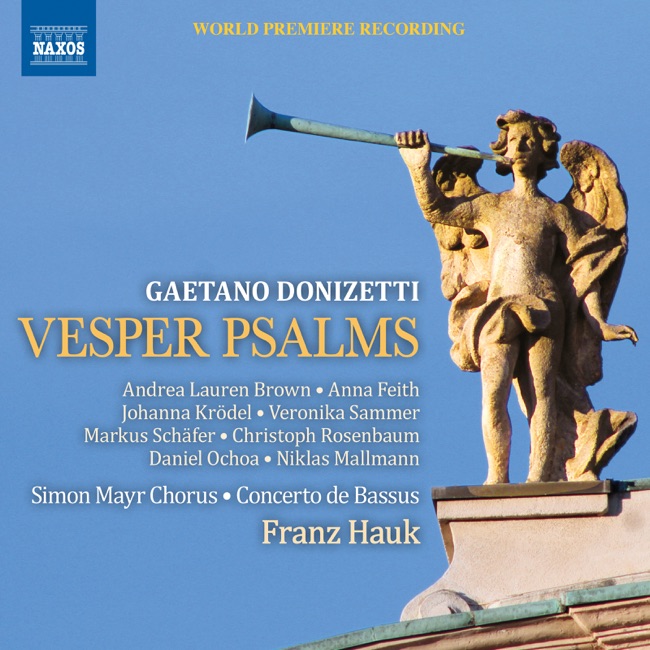
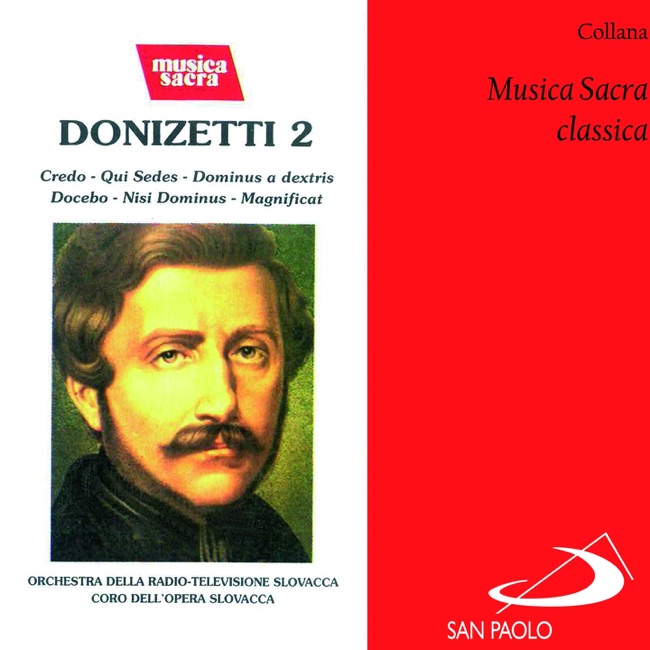
Composer:Gaetano DonizettiGenre:ChoralCompose Date:May, 1819Average_duration:7:08Gaetano Donizetti's Magnificat in D major is a sacred choral work composed in 1824. It was premiered on December 26, 1824, at the Basilica of San Petronio in Bologna, Italy. The Magnificat is a hymn of praise to the Virgin Mary, and it is traditionally sung during the evening prayer service of the Catholic Church. The Magnificat in D major is divided into six movements, each of which reflects a different aspect of the text. The first movement, "Magnificat anima mea Dominum," is a joyful and exuberant setting of the opening words of the hymn. The second movement, "Et exultavit spiritus meus," is a lively and energetic setting of the text that expresses Mary's joy at the news of her pregnancy. The third movement, "Quia respexit humilitatem ancillae suae," is a gentle and tender setting of the text that reflects Mary's humility and devotion. The fourth movement, "Quia fecit mihi magna," is a triumphant and celebratory setting of the text that expresses Mary's gratitude for the blessings she has received. The fifth movement, "Et misericordia eius," is a gentle and contemplative setting of the text that reflects on God's mercy and compassion. The final movement, "Sicut erat in principio," is a joyful and exuberant setting of the closing words of the hymn, which express the eternal nature of God's glory. The Magnificat in D major is characterized by its rich harmonies, expressive melodies, and skillful use of choral textures. Donizetti's setting of the text is both sensitive and dramatic, and it reflects his deep understanding of the spiritual and emotional content of the hymn. The Magnificat in D major is a masterpiece of sacred choral music, and it remains a beloved and frequently performed work to this day.More....
Works Music