Johann Pachelbel
Aria Secunda in E minor (Hexachordum 2), T. 212
Released Album
Recent Album

Works Info
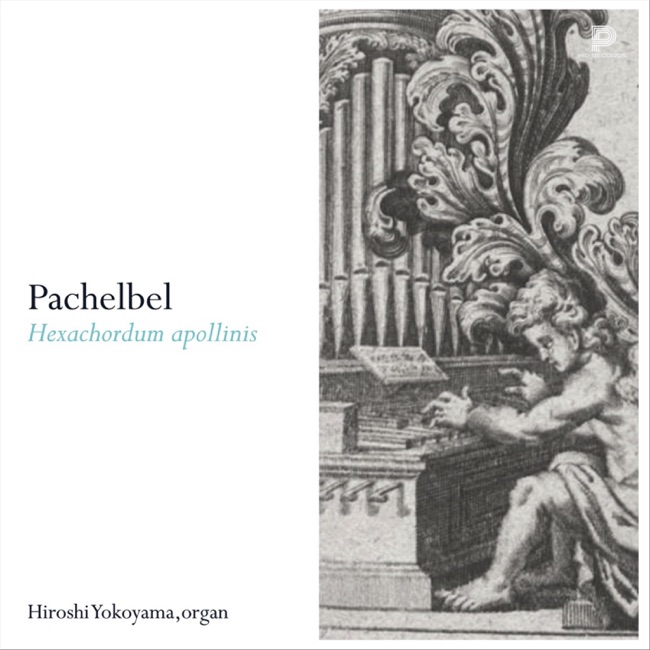
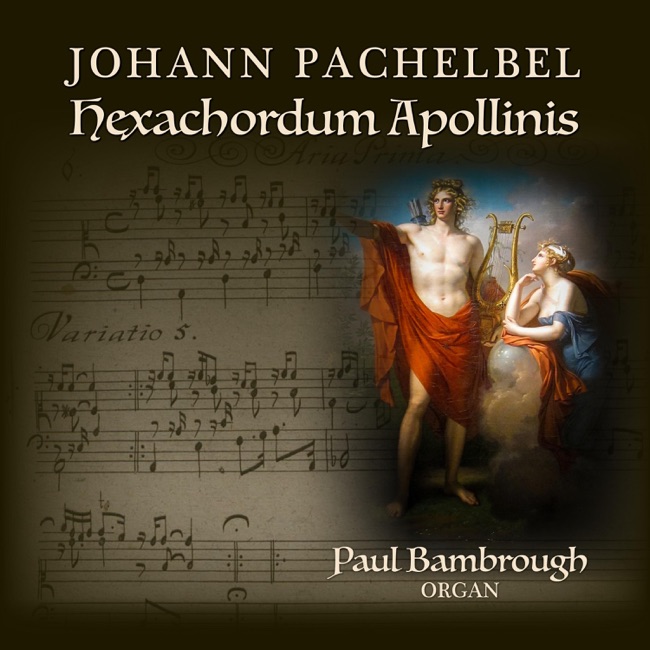
Composer:Johann PachelbelGenre:KeyboardStyle:KeyboardCompose Date:1699Publication Date:1699Average_duration:12:18Johann Pachelbel's 'Aria Secunda in E minor (Hexachordum 2), T. 212' is a beautiful piece of music that was composed in the Baroque era. It was written for keyboard instruments and was first premiered in the early 1700s. The piece is part of a larger collection of works known as the 'Hexachordum Apollinis', which is a set of six arias that are all based on the hexachord. The 'Aria Secunda in E minor' is a slow and contemplative piece that is divided into three movements. The first movement is marked 'Adagio', and it begins with a simple and melancholic melody that is played in the right hand. The left hand provides a gentle accompaniment with broken chords. The second movement is marked 'Allegro', and it is a lively and energetic section that contrasts with the first movement. The melody is more complex and is played in both hands, with the left hand providing a driving bass line. The final movement is marked 'Adagio', and it returns to the mood of the first movement. The melody is played in the right hand, and the left hand provides a simple accompaniment with broken chords. One of the characteristics of Pachelbel's music is his use of harmony. In the 'Aria Secunda in E minor', he uses a simple chord progression that is repeated throughout the piece. This creates a sense of unity and coherence, and it allows the listener to focus on the melody and the subtle variations that Pachelbel introduces. Another characteristic of Pachelbel's music is his use of counterpoint. In the 'Aria Secunda in E minor', he weaves together two distinct melodies that complement each other. This creates a sense of depth and complexity, and it adds to the emotional impact of the piece. Overall, the 'Aria Secunda in E minor (Hexachordum 2), T. 212' is a beautiful and introspective piece of music that showcases Pachelbel's skill as a composer. Its simple yet elegant melody and its use of harmony and counterpoint make it a timeless work that continues to be enjoyed by audiences today.More....
Works Music
Released Music