Jacobus Vaet
Qui gerit Augusti
Released Album
Recent Album
Works Info
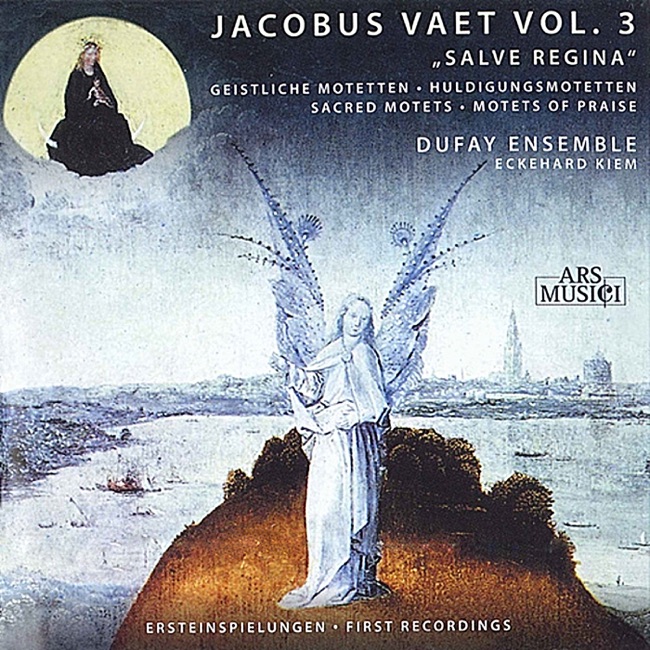
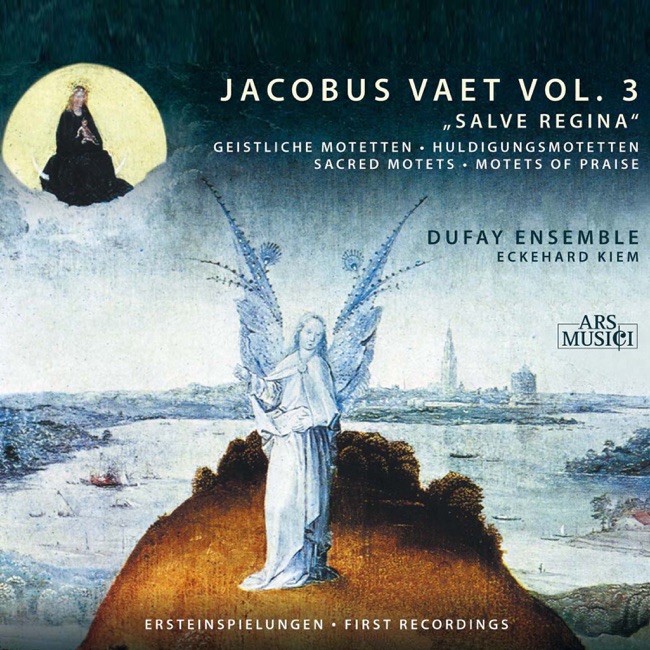
Composer:Jacobus VaetGenre:ChoralStyle:ChoralAverage_duration:3:25Jacobus Vaet was a Flemish composer who lived during the Renaissance period. He was born in Kortrijk, Belgium, in 1529 and died in Vienna, Austria, in 1567. Vaet was a prolific composer who wrote a large number of sacred and secular works, including masses, motets, chansons, and instrumental music. One of his most famous works is the motet "Qui gerit Augusti," which was composed in 1555. "Qui gerit Augusti" is a six-voice motet that was written in honor of the Holy Roman Emperor Charles V. The piece is based on a text from the Book of Wisdom, which praises the virtues of a wise ruler. The motet is divided into three movements, each of which has its own distinct character and mood. The first movement is marked "Allegro" and is written in a lively and energetic style. The voices enter one by one, building up to a full and rich texture. The music is characterized by its rhythmic vitality and its use of imitative counterpoint. The text of this movement praises the wisdom and justice of the emperor, and the music reflects this with its confident and triumphant tone. The second movement is marked "Adagio" and is much more introspective and contemplative in character. The voices are more subdued, and the music is characterized by its use of suspensions and dissonances. The text of this movement speaks of the emperor's humility and his willingness to listen to the advice of his counselors. The music reflects this with its gentle and restrained tone. The third movement is marked "Allegro" and is a return to the lively and energetic style of the first movement. The voices are once again full and rich, and the music is characterized by its use of syncopation and rhythmic complexity. The text of this movement speaks of the emperor's courage and his willingness to defend his people. The music reflects this with its bold and heroic tone. Overall, "Qui gerit Augusti" is a masterful example of Renaissance polyphony. Vaet's use of imitative counterpoint, his skillful handling of text, and his ability to create distinct moods and characters within each movement make this motet a true masterpiece of the genre.More....
Works Music
Released Music