


Alessandro Scarlatti
Concerto grosso No. 4 in G minor
Released Album
Recent Album
-

-
-
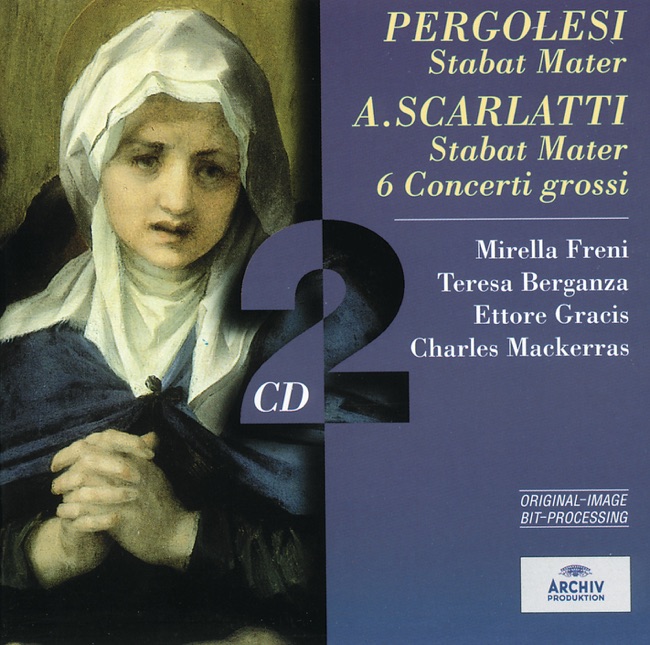 Various ArtistsMay 3, 1999
Featured Album
Works Info
Composer:Alessandro ScarlattiGenre:ConcertoStyle:ConcertoPublication Date:ca. 1740Average_duration:6:23Movement_count:3Movement ....Alessandro Scarlatti's Concerto Grosso No. 4 in G minor is a Baroque masterpiece that was composed in the early 18th century. The piece was premiered in Rome in 1716 and is considered one of Scarlatti's most significant works. The concerto is divided into four movements, each with its own unique characteristics. The first movement, marked Adagio, is a somber and introspective piece that sets the tone for the entire concerto. The movement begins with a slow and mournful melody played by the solo violin, which is then echoed by the rest of the orchestra. The movement gradually builds in intensity, with the solo violin taking on a more virtuosic role as the piece progresses. The second movement, marked Allegro, is a lively and energetic piece that features a call-and-response between the solo violin and the rest of the orchestra. The movement is characterized by its fast-paced rhythms and intricate counterpoint, which showcase Scarlatti's skill as a composer. The third movement, marked Largo, is a slow and contemplative piece that features a beautiful melody played by the solo violin. The movement is notable for its use of suspensions and dissonances, which create a sense of tension and release throughout the piece. The final movement, marked Allegro, is a lively and joyful piece that brings the concerto to a rousing conclusion. The movement features a fast and intricate melody played by the solo violin, which is then echoed by the rest of the orchestra. The movement is characterized by its use of syncopation and rhythmic complexity, which create a sense of excitement and energy. Overall, Scarlatti's Concerto Grosso No. 4 in G minor is a masterful example of Baroque music. The concerto showcases Scarlatti's skill as a composer, with its intricate counterpoint, virtuosic solo passages, and beautiful melodies. The piece remains a beloved work in the classical repertoire and is a testament to Scarlatti's enduring legacy as a composer.More....
Works Music
Released Music

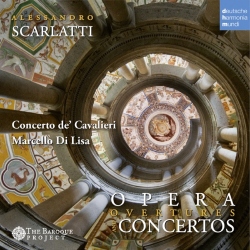
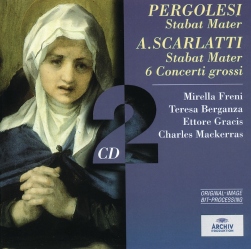
Featured Music
2
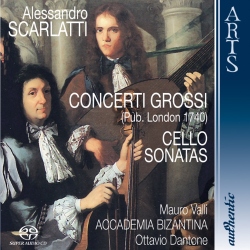
2:
4
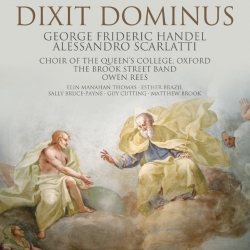
2:13
5
2:7
6
1:1