


William Byrd
Christe qui lux a 4, for instrumental consort No. 1
Released Album
Recent Album
Works Info
Composer:William ByrdGenre:ChamberStyle:Chamber MusicAverage_duration:2:01'Christe qui lux a 4, for instrumental consort No. 1' is a sacred vocal work composed by William Byrd, one of the most prominent English composers of the Renaissance period. The piece was composed in the late 16th century, around 1580, during the reign of Queen Elizabeth I. It was first performed in the Chapel Royal, where Byrd served as a Gentleman of the Chapel. The piece is divided into four movements, each of which is based on a different section of the Latin hymn 'Christe qui lux es et dies'. The first movement is a lively and rhythmic setting of the hymn's opening lines, featuring a lively instrumental accompaniment and a bright, joyful melody. The second movement is a more contemplative setting of the hymn's second section, featuring a slower tempo and a more introspective melody. The third movement is a lively and energetic setting of the hymn's third section, featuring a fast-paced instrumental accompaniment and a lively, dance-like melody. The final movement is a majestic and triumphant setting of the hymn's final section, featuring a grand instrumental accompaniment and a powerful, uplifting melody. The piece is characterized by Byrd's masterful use of counterpoint, which is evident throughout the work. The vocal parts are intricately woven together, creating a rich and complex texture that is both beautiful and challenging to perform. The instrumental accompaniment is also highly skilled, featuring a variety of different instruments, including violins, viols, and recorders. Overall, 'Christe qui lux a 4, for instrumental consort No. 1' is a stunning example of Byrd's mastery of sacred vocal music. Its intricate counterpoint, lively rhythms, and beautiful melodies make it a true masterpiece of the Renaissance period.More....
Works Music
Released Music
2
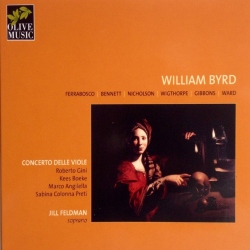
2:52
3
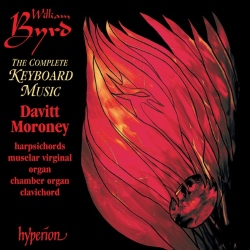
2:26