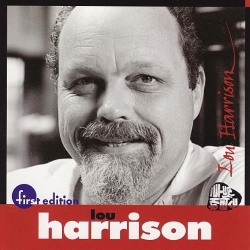
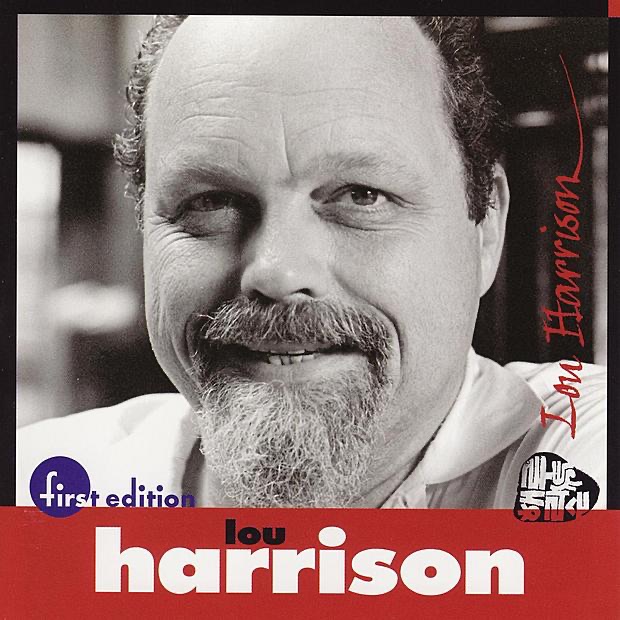
Lou Harrison
Strict Songs (4)
Released Album
Recent Album
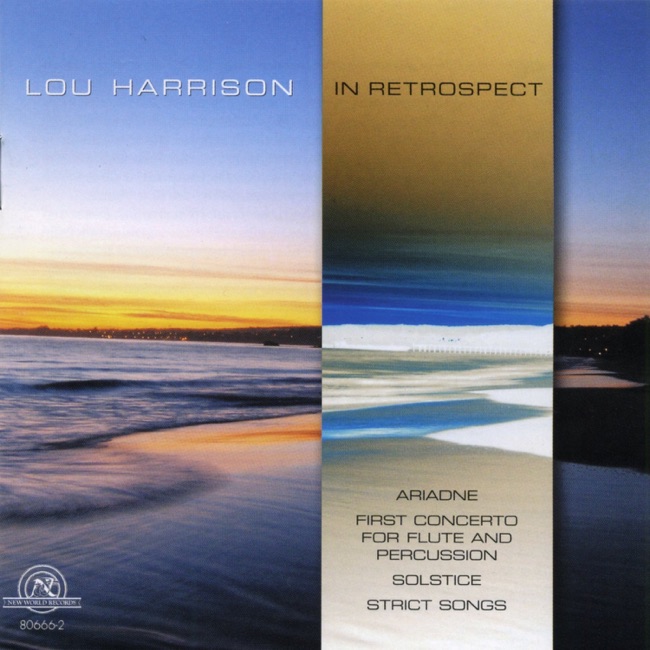
Featured Album
Works Info
Composer:Lou HarrisonGenre:VocalStyle:ChorusCompose Date:1955First Performance:Jan 18, 1956Average_duration:17:47Movement_count:4Movement ....Lou Harrison's 'Strict Songs (4)' is a composition for four-part chorus and percussion ensemble. It was composed in 1955 and premiered on May 6, 1956, at the San Francisco Museum of Art. The piece consists of four movements, each with its own unique characteristics. The first movement, titled "Song of Quetzalcoatl," is based on a text from the Aztec culture. The chorus sings in unison, accompanied by a percussion ensemble that includes maracas, claves, and a bass drum. The movement has a lively and rhythmic feel, with the percussion providing a driving beat. The second movement, "Song of the Earth," is a setting of a text by the Chinese poet Li Po. The chorus sings in harmony, accompanied by a percussion ensemble that includes gongs, cymbals, and a tam-tam. The movement has a more contemplative and meditative feel, with the percussion providing a subtle and atmospheric backdrop. The third movement, "Song of the Forest," is based on a text from the Jivaro culture of South America. The chorus sings in unison, accompanied by a percussion ensemble that includes bamboo wind chimes, a log drum, and a rainstick. The movement has a natural and organic feel, with the percussion evoking the sounds of the forest. The fourth and final movement, "Song of the Soul," is a setting of a text by the Persian poet Rumi. The chorus sings in harmony, accompanied by a percussion ensemble that includes finger cymbals, a triangle, and a tambourine. The movement has a spiritual and transcendent feel, with the percussion providing a shimmering and ethereal quality. Overall, 'Strict Songs (4)' is a unique and innovative composition that blends elements of different cultures and musical traditions. The use of percussion adds a dynamic and colorful element to the piece, while the choral writing is both expressive and intricate. The four movements each have their own distinct character, but together they form a cohesive and powerful work of art.More....
Works Music
Released Music
Featured Music