


Franz Liszt
Die Ideale, symphonic poem for orchestra, S. 106
Released Album
Recent Album
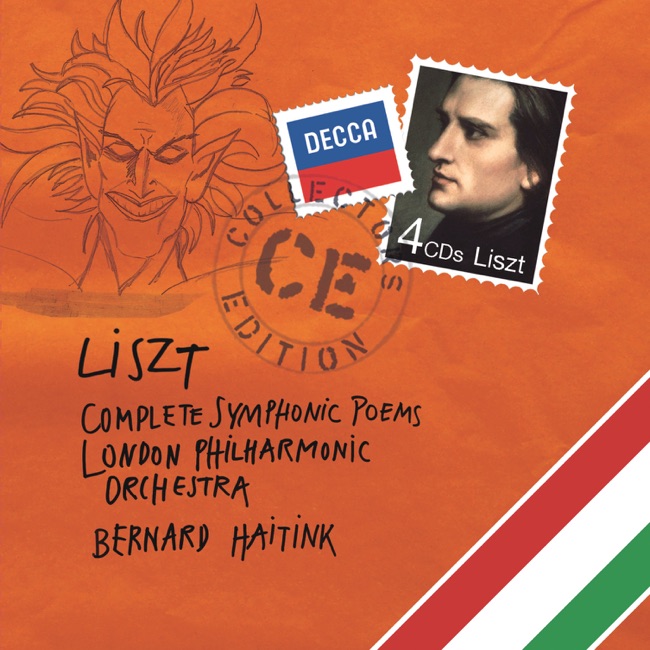
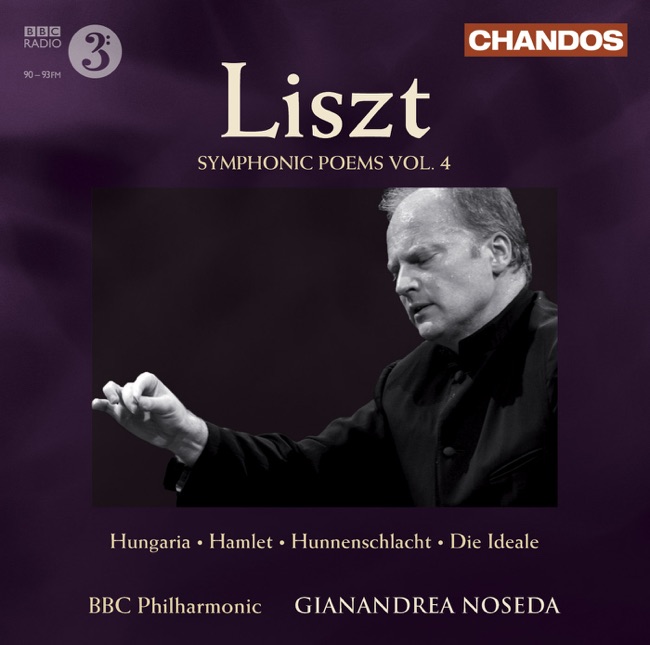

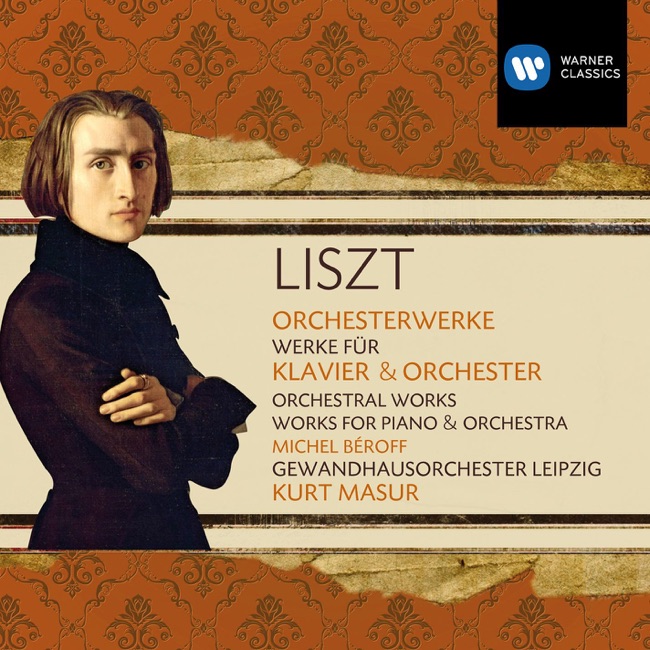
Works Info
Composer:Franz LisztGenre:OrchestralStyle:OrchestralCompose Date:1856 - 1857Publication Date:1858First Performance:Sep 5, 1857Average_duration:25:04Franz Liszt's 'Die Ideale' is a symphonic poem for orchestra, S. 106, composed in 1857-1858. It was premiered on January 9, 1860, in Weimar, Germany, under the direction of Liszt himself. The work is divided into three movements and is approximately 50 minutes in length. The first movement, titled "Mephistopheles," is a dark and brooding introduction that sets the stage for the rest of the piece. It features a menacing theme played by the brass and strings, which is then taken up by the woodwinds. The music builds in intensity, with the percussion adding to the sense of foreboding. The movement ends with a sudden, dramatic chord. The second movement, titled "The Ideal," is the heart of the piece. It begins with a gentle, lyrical theme played by the strings, which is then taken up by the woodwinds. The music gradually builds in intensity, with the brass and percussion adding to the sense of grandeur. The movement reaches a climax with a soaring melody played by the entire orchestra. The music then subsides, with the strings playing a gentle, peaceful coda. The third movement, titled "The Triumph of the Ideal," is a triumphant finale that brings the piece to a rousing conclusion. It begins with a fanfare played by the brass, which is then taken up by the entire orchestra. The music builds in intensity, with the percussion adding to the sense of excitement. The movement reaches a climax with a majestic melody played by the entire orchestra. The music then subsides, with the strings playing a gentle, peaceful coda. Overall, 'Die Ideale' is a powerful and dramatic work that showcases Liszt's skill as a composer. The music is full of contrasts, with dark and brooding passages giving way to lyrical and soaring melodies. The work is also notable for its use of orchestration, with Liszt making full use of the different sections of the orchestra to create a rich and varied sound.More....
Works Music
Released Music
1
25:57
2
28:34
3
27:38
4
26:42
5
28:24
8
24:54
9
26:53
10
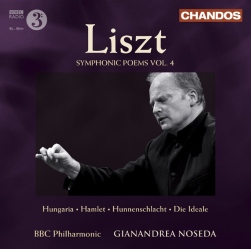
Die Ideale, symphonic poem for orchestra, p. 106
V. Wie Tanzte Vor Des Lebens Wagen: Allegro Molto Mosso -
3:11