


Marc-Antoine Charpentier
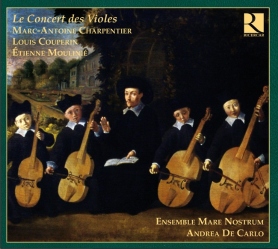
Concert pour quatre parties des violes, H. 545
Released Album
Recent Album
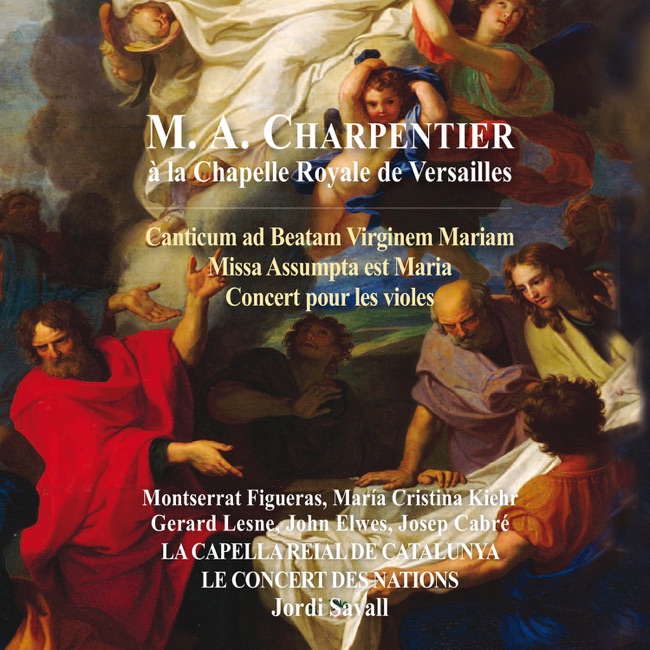
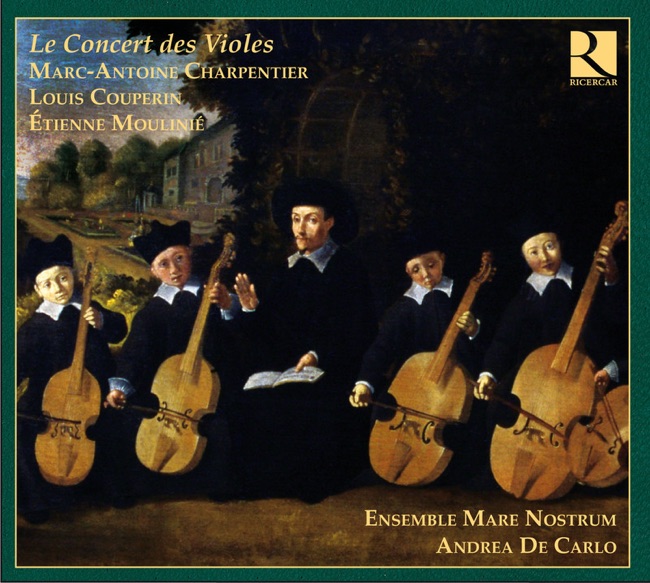
Featured Album
Works Info
Composer:Marc-Antoine CharpentierGenre:ChamberStyle:Chamber MusicCompose Date:1680 - 1681Average_duration:11:45Movement_count:6Movement ....Marc-Antoine Charpentier's Concert pour quatre parties des violes, H. 545, is a Baroque instrumental work composed in the mid-17th century. The piece was likely composed in the 1670s or 1680s, during Charpentier's tenure as maître de musique at the Jesuit church of Saint-Louis in Paris. The Concert pour quatre parties des violes is one of Charpentier's most famous instrumental works, and is notable for its rich harmonies, intricate counterpoint, and expressive use of the viola da gamba. The Concert pour quatre parties des violes is divided into four movements, each of which is characterized by a distinct mood and musical style. The first movement, marked "Prelude," is a slow and stately introduction that sets the tone for the rest of the piece. The second movement, marked "Allemande," is a lively dance in triple meter that features intricate counterpoint and virtuosic solo passages for each of the four violas. The third movement, marked "Sarabande," is a slow and expressive dance in triple meter that features rich harmonies and a plaintive melody. The final movement, marked "Gigue," is a fast and lively dance in compound meter that features intricate rhythms and virtuosic solo passages. The Concert pour quatre parties des violes is notable for its expressive use of the viola da gamba, a bowed string instrument that was popular in the Baroque era. Charpentier's writing for the violas is highly virtuosic, featuring intricate passagework, complex harmonies, and expressive use of ornamentation. The piece also features a rich and varied texture, with each of the four violas contributing to the overall sound and musical effect. Overall, the Concert pour quatre parties des violes is a masterful example of Baroque instrumental music, showcasing Charpentier's skill as a composer and his expressive use of the viola da gamba. The piece premiered in the mid-17th century and has since become a beloved work in the Baroque repertoire, admired for its rich harmonies, intricate counterpoint, and expressive use of the viola da gamba.More....
Works Music
Released Music
1
3:20
3
2:37
5
1:59
6
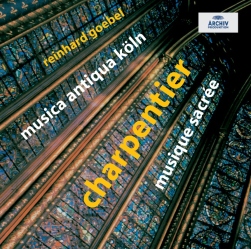
1:49
8
1:19
Featured Music
1
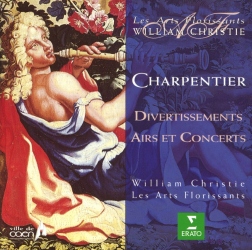
1:50
2
2:8
6
2:31
7
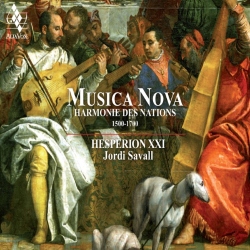
3:20
8
1:32
9
5:47
12
5: