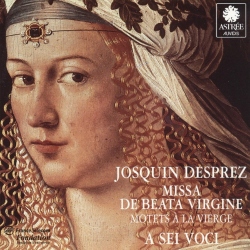
Josquin Des Prez
Stabat mater dolorosa
Released Album
Recent Album
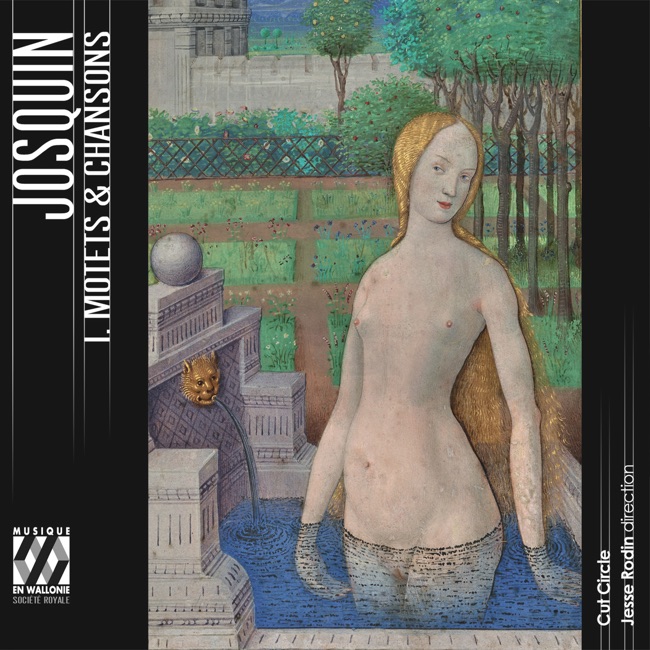
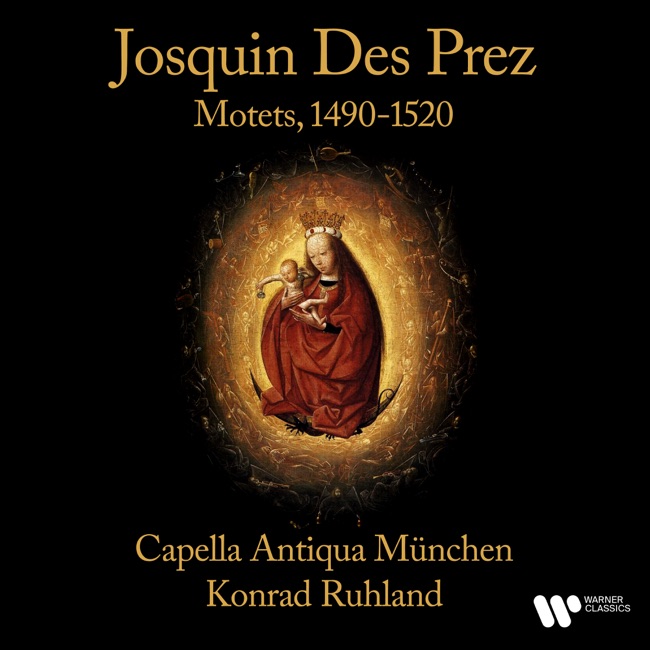
Featured Album
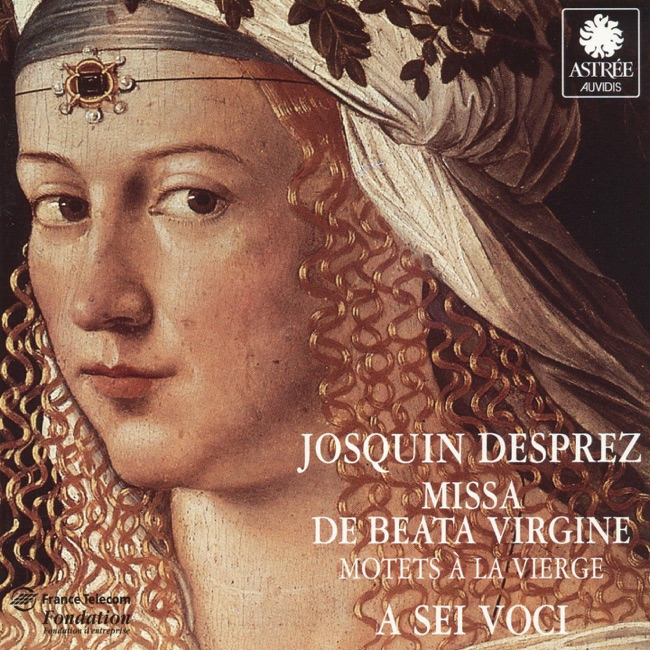
Works Info
Composer:Josquin Des PrezGenre:ChoralStyle:MotetAverage_duration:7:52Movement_count:2Movement ....Josquin Des Prez was a renowned composer of the Renaissance period, and his composition 'Stabat mater dolorosa' is considered one of his most significant works. The composition is a setting of the hymn 'Stabat mater dolorosa,' which is a 13th-century Latin hymn that describes the sorrow of the Virgin Mary at the crucifixion of Jesus Christ. The composition was likely composed in the late 15th century, and it premiered in the early 16th century. The composition is divided into ten movements, each of which is based on a different section of the hymn. The movements are as follows: 1. Stabat mater dolorosa - The opening movement sets the tone for the entire composition, with a mournful and somber melody that reflects the sorrow of the Virgin Mary. 2. Cuius animam gementem - This movement features a solo voice that laments the suffering of Jesus Christ on the cross. 3. O quam tristis et afflicta - This movement is a duet between two voices that expresses the grief of the Virgin Mary. 4. Quae moerebat et dolebat - This movement features a solo voice that describes the pain and suffering of the Virgin Mary. 5. Quis est homo qui non fleret - This movement is a duet between two voices that asks who among us would not weep at the sight of the crucifixion. 6. Vidit suum dulcem natum - This movement features a solo voice that describes the agony of the Virgin Mary as she watches her son die. 7. Eia, Mater, fons amoris - This movement is a prayer to the Virgin Mary, asking for her intercession and comfort. 8. Fac, ut ardeat cor meum - This movement is a plea for the Virgin Mary to help the composer's heart burn with love for Jesus Christ. 9. Sancta Mater, istud agas - This movement is a prayer to the Virgin Mary, asking her to intercede on behalf of sinners. 10. Fac me vere tecum flere - The final movement is a prayer to the Virgin Mary, asking for the grace to weep with her at the suffering of Jesus Christ. The characteristics of 'Stabat mater dolorosa' include its use of polyphony, which is a technique that involves multiple voices singing different melodies at the same time. The composition also features a variety of vocal textures, including solos, duets, and full choir. The melody is often melancholic and mournful, reflecting the sorrowful subject matter of the hymn. Overall, 'Stabat mater dolorosa' is a powerful and moving composition that captures the grief and pain of the Virgin Mary at the crucifixion of Jesus Christ. Its use of polyphony and vocal textures make it a masterpiece of Renaissance music, and it remains a beloved and frequently performed work to this day.More....
Works Music
Released Music

Featured Music