Juan Gutiérrez de Padilla
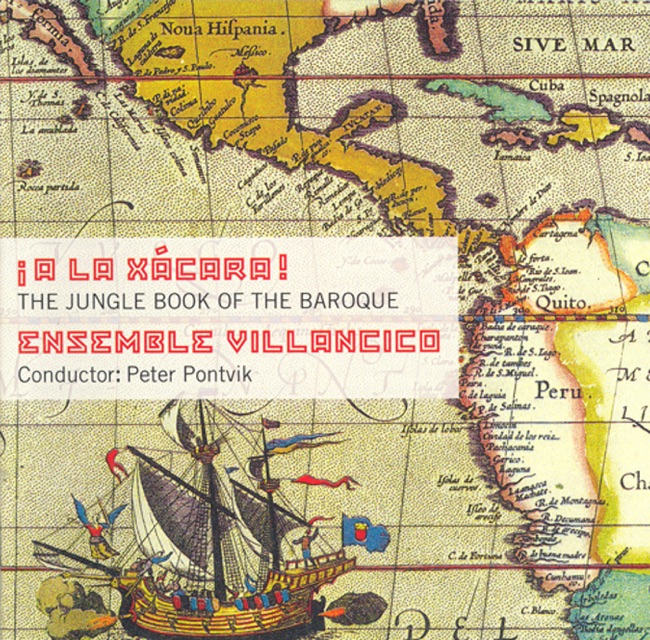
A la xácara, xacarilla
Released Album
Recent Album
Featured Album
Works Info
Composer:Juan Gutiérrez de PadillaGenre:MiscellaneousStyle:DanceAverage_duration:5:42'A la xácara, xacarilla' is a Baroque choral piece composed by Juan Gutiérrez de Padilla, a Mexican composer and choirmaster who lived from 1590 to 1664. The piece was composed in the early 17th century and premiered in Puebla, Mexico, where Padilla was the choirmaster at the Cathedral of Puebla. The piece is written in the style of a xácara, a popular Spanish dance that was popular in the 16th and 17th centuries. The xácara was a lively dance that was often accompanied by castanets and tambourines, and it was known for its energetic rhythms and catchy melodies. Padilla's 'A la xácara, xacarilla' captures the spirit of this dance, with its lively rhythms and playful melodies. The piece is divided into several movements, each of which has its own distinct character. The first movement is a lively and energetic dance, with a fast tempo and a catchy melody that is repeated throughout the piece. The second movement is slower and more contemplative, with a more complex melody that is played by the choir in harmony. The third movement is a return to the lively dance of the first movement, with a faster tempo and more complex rhythms. One of the characteristics of Padilla's music is his use of polyphony, or the use of multiple voices or melodies at the same time. This is evident in 'A la xácara, xacarilla', where the choir is divided into several parts, each singing a different melody or rhythm. This creates a rich and complex sound that is characteristic of Baroque music. Another characteristic of Padilla's music is his use of counterpoint, or the combination of two or more melodies that are played simultaneously. This is evident in the second movement of 'A la xácara, xacarilla', where the choir sings a complex melody in harmony, creating a rich and layered sound. Overall, 'A la xácara, xacarilla' is a lively and energetic piece of music that captures the spirit of the xácara dance. It is a testament to Padilla's skill as a composer and his ability to create complex and beautiful music that is still enjoyed today.More....
Works Music