


Orlande de Lassus
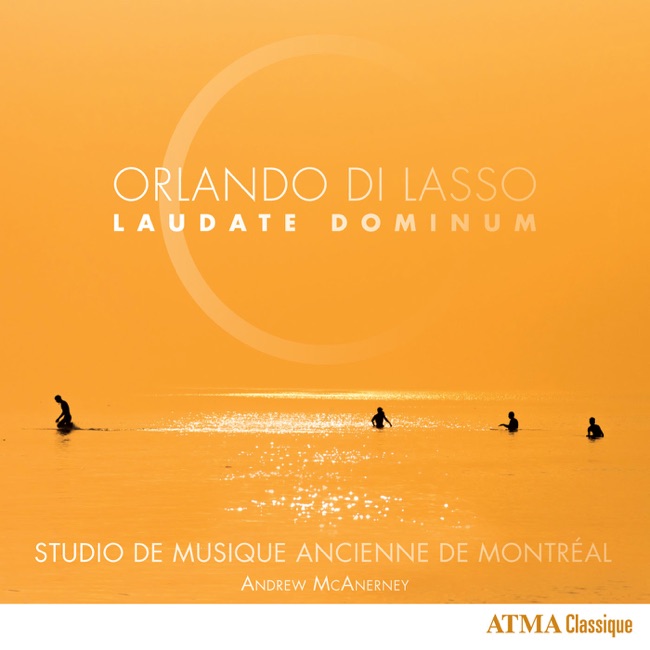
Laudate Dominum quoniam bonus est, M. vi (S. xix/106)
Works Info
Composer:Orlande de LassusGenre:ChoralPublication Date:1568Average_duration:7:12Orlande de Lassus was a prominent composer of the Renaissance period, known for his sacred music. One of his most famous works is the 'Laudate Dominum quoniam bonus est, M. vi (S. xix/106)', which was composed in the late 16th century. The 'Laudate Dominum' is a sacred motet, which was likely composed for use in the Catholic Church. It is written for four voices, with a soprano, alto, tenor, and bass part. The piece is in Latin, and the text is taken from Psalm 136, which is a hymn of praise to God. The 'Laudate Dominum' is divided into three movements. The first movement is a lively and joyful setting of the text 'Laudate Dominum quoniam bonus est' ('Praise the Lord, for he is good'). The music is characterized by its rhythmic energy and lively melodic lines, which are passed between the different voices. The second movement is a more contemplative setting of the text 'Quoniam suavis est' ('For he is gracious'). The music is slower and more introspective, with a focus on the beauty of the text and the harmonies created by the different voices. The final movement returns to the joyful mood of the first, with a setting of the text 'Laudate Dominum omnes gentes' ('Praise the Lord, all you nations'). The music is characterized by its rhythmic drive and lively counterpoint, with the different voices weaving in and out of each other to create a complex and joyful texture. Overall, the 'Laudate Dominum' is a beautiful and uplifting piece of sacred music, which showcases Lassus' skill as a composer. Its lively rhythms, complex harmonies, and beautiful melodies make it a beloved piece of music to this day. The piece was likely premiered in a church setting, and continues to be performed in churches and concert halls around the world.More....
Works Music
Released Music
1
Laudate Dominum quoniam bonus est, M. vi (p. xix/106)
Laudate Dominum, quoniam bonus à 7 voix
7:12