Joseph Boulogne, Chevalier de Saint-Georges
Violin Concerto in D major, Op. 3/1
Released Album
Recent Album
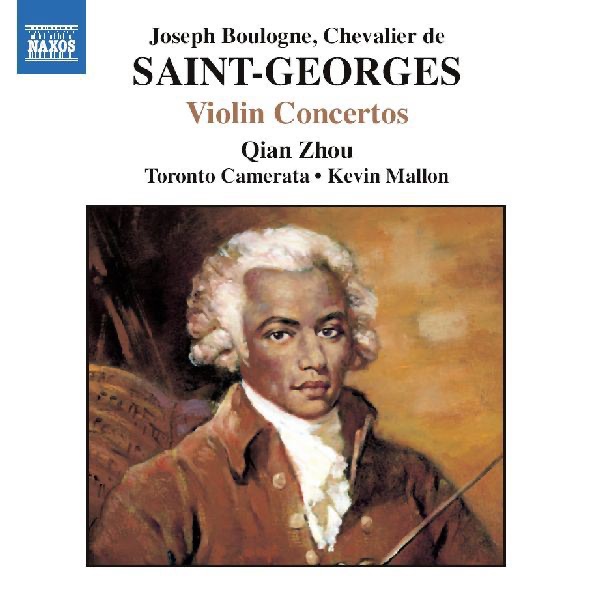
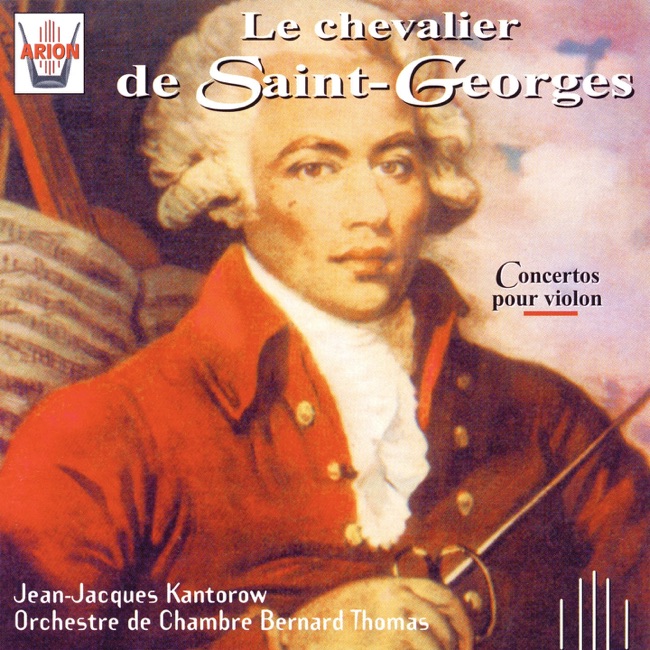
Works Info
Composer:Joseph Boulogne, Chevalier de Saint-GeorgesGenre:ConcertoStyle:ConcertoCompose Date:1774Average_duration:20:37Movement_count:3Movement ....The Violin Concerto in D major, Op. 3/1, is a masterpiece of the classical era composed by Joseph Boulogne, Chevalier de Saint-Georges. It was composed in the late 18th century and premiered in Paris in 1775. The concerto is divided into three movements, each with its own unique characteristics. The first movement, marked Allegro, is a lively and energetic piece that showcases the virtuosity of the solo violinist. The movement begins with a bold and majestic orchestral introduction, followed by the solo violin's entrance with a series of rapid-fire runs and arpeggios. The movement is characterized by its use of syncopation, which adds a sense of rhythmic complexity and excitement to the music. The second movement, marked Adagio, is a slow and lyrical piece that provides a contrast to the first movement's energy. The solo violin sings a beautiful melody over a simple accompaniment, creating a sense of intimacy and emotional depth. The movement is characterized by its use of expressive phrasing and dynamic contrasts, which allow the soloist to showcase their ability to shape the music with their playing. The third movement, marked Allegro, is a lively and playful piece that brings the concerto to a thrilling conclusion. The movement is characterized by its use of dance-like rhythms, which give the music a sense of lightness and joy. The solo violinist is once again given the opportunity to display their virtuosity, with rapid runs and intricate passages that require precision and agility. Overall, the Violin Concerto in D major, Op. 3/1, is a masterpiece of the classical era that showcases the talents of both the composer and the soloist. Its three movements provide a range of emotions and musical styles, from the energetic and exciting first movement to the lyrical and expressive second movement, and finally to the playful and joyful third movement. It remains a beloved work in the classical repertoire and a testament to the enduring legacy of Joseph Boulogne, Chevalier de Saint-Georges.More....
Works Music
Released Music
1
9:53
2
9:14