


George Frederick Handel
Chandos Anthem No. 8 in A, "O Come Let Us Sing Unto the Lord", HWV 253
Released Album
Recent Album
Featured Album
Works Info
Composer:George Frederick HandelGenre:ChoralStyle:AnthemCompose Date:1717 - 1718Average_duration:30:04Movement_count:9Movement ....George Frederick Handel's 'Chandos Anthem No. 8 in A, O Come Let Us Sing Unto the Lord, HWV 253' was composed in 1717 for the Duke of Chandos, who was a patron of Handel. The anthem was premiered at the Duke's chapel in Cannons, Edgware, on 19th September 1717. The anthem consists of four movements, each with its own distinct characteristics. The first movement is a grand and majestic chorus, with a full orchestra and choir. The second movement is a duet for alto and tenor, accompanied by a solo violin. The third movement is a bass aria, with a solo cello and continuo accompaniment. The final movement is a lively and joyful chorus, with a trumpet and timpani adding to the celebratory mood. The first movement, 'O come let us sing unto the Lord', is a setting of Psalm 95. It begins with a grand orchestral introduction, followed by a majestic choral entry. The choir sings in four-part harmony, with the orchestra providing a rich and full accompaniment. The movement is characterized by its use of imitative counterpoint, with the different vocal parts echoing and imitating each other. The second movement, 'Let us come before his presence', is a duet for alto and tenor. The two voices sing in close harmony, with the solo violin providing a delicate and expressive accompaniment. The movement is characterized by its lyrical melody and expressive harmonies. The third movement, 'O come, let us worship', is a bass aria. The solo cello provides a rich and sonorous accompaniment, while the bass voice sings a virtuosic melody. The movement is characterized by its use of ornamentation and virtuosity, with the bass voice and cello engaging in a lively dialogue. The final movement, 'Glory be to the Father', is a lively and joyful chorus. The addition of trumpet and timpani adds to the celebratory mood, while the choir sings in four-part harmony. The movement is characterized by its use of syncopation and rhythmic energy, with the different vocal parts interweaving and overlapping. Overall, Handel's 'Chandos Anthem No. 8 in A' is a masterful example of Baroque choral music. Its use of rich harmonies, virtuosic melodies, and expressive counterpoint make it a joy to listen to and perform.More....
Works Music
Released Music
1
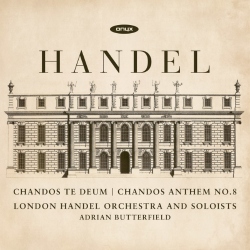
Chando's Anthem No. 8 in A, "O Come Let Us Sing Unto the Lord", HWV 253
O come let us sing unto the Lord
3:19
2
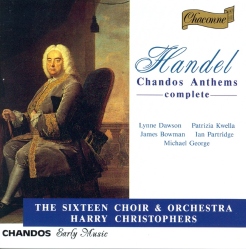
3:58
3
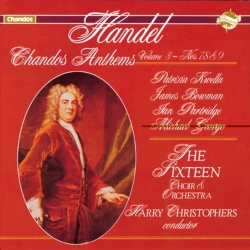
Chando's Anthem No. 8 in A, "O Come Let Us Sing Unto the Lord", HWV 253
There is sprung up a light for the righteous
2:44
Featured Music
1
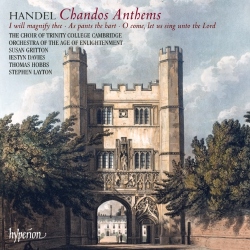
Chando's Anthem No. 8 in A, "O Come Let Us Sing Unto the Lord", HWV 253
Sonata. (Largo) - (Allegro)
4:5
2
Chando's Anthem No. 8 in A, "O Come Let Us Sing Unto the Lord", HWV 253
O come, let us sing unto the Lord
3:25
3
Chando's Anthem No. 8 in A, "O Come Let Us Sing Unto the Lord", HWV 253
O come, let us worship
3:45
4
Chando's Anthem No. 8 in A, "O Come Let Us Sing Unto the Lord", HWV 253
Glory and worship are before him
1:49
5
Chando's Anthem No. 8 in A, "O Come Let Us Sing Unto the Lord", HWV 253
Tell it out among the heathen that the Lord is King
5:46
7
Chando's Anthem No. 8 in A, "O Come Let Us Sing Unto the Lord", HWV 253
The Lord preserveth the souls of the saints
3:22
8
Chando's Anthem No. 8 in A, "O Come Let Us Sing Unto the Lord", HWV 253
For look as high as the heaven is
2:19
9
Chando's Anthem No. 8 in A, "O Come Let Us Sing Unto the Lord", HWV 253
There is sprung up a light for the righteous
2:29