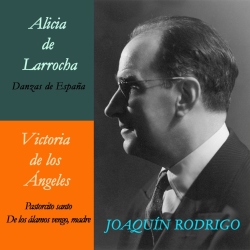
Joaquín Rodrigo
Danzas (3) de España
Released Album
Recent Album
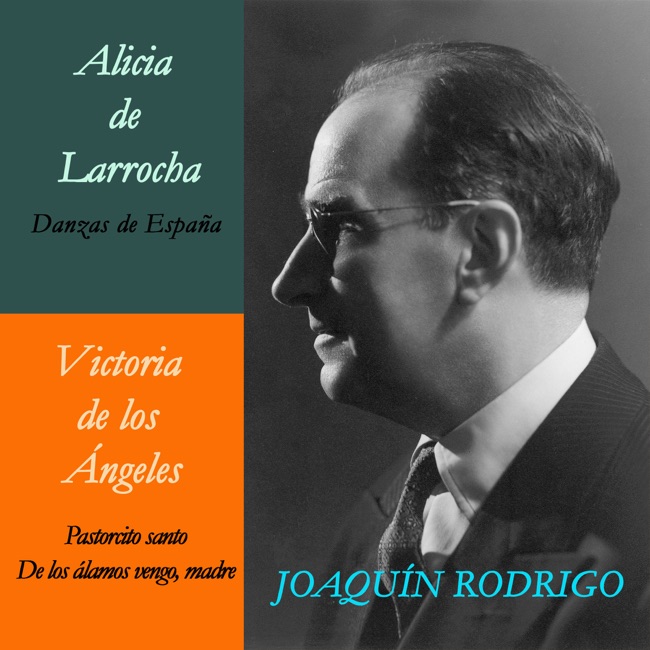



Works Info
Composer:Joaquín RodrigoGenre:KeyboardStyle:DanceCompose Date:1941First Performance:1944Average_duration:4:41Movement_count:3Movement ....Joaquín Rodrigo's 'Danzas (3) de España' is a set of three dances for solo piano, composed in 1954. The piece was premiered in Madrid on May 12, 1954, by the pianist Rosa Sabater. The three movements are titled 'Fandango', 'Zapateado', and 'Estudiantina', and each one is inspired by a different Spanish dance. The first movement, 'Fandango', is a lively and rhythmic dance in triple meter. It begins with a strong and energetic theme, which is then developed through various variations and modulations. The middle section of the movement features a more lyrical and expressive melody, before returning to the lively main theme for the conclusion. The second movement, 'Zapateado', is a fast and virtuosic dance in duple meter. The piece is characterized by its rapid and intricate rhythms, which imitate the sound of the zapateado, a traditional Spanish dance that involves percussive footwork. The movement is full of technical challenges for the pianist, including rapid scale passages and complex syncopations. The final movement, 'Estudiantina', is a slower and more contemplative dance in triple meter. The piece is based on the estudiantina, a traditional Spanish serenade that was often performed by student musicians. The movement features a simple and lyrical melody, which is accompanied by gentle arpeggios and delicate ornamentation. The piece gradually builds in intensity, before returning to a peaceful and reflective conclusion. Overall, 'Danzas (3) de España' is a vibrant and colorful representation of Spanish music and dance. The piece showcases Rodrigo's skillful use of rhythm, melody, and harmony, as well as his deep understanding of the rich musical traditions of his homeland.More....
Works Music
Released Music