Jan Dismas Zelenka
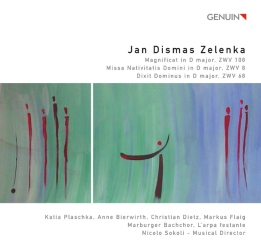
Magnificat in D major, ZWV 108
Released Album
Recent Album
Works Info
Composer:Jan Dismas ZelenkaGenre:ChoralStyle:MagnificatCompose Date:Nov 26, 1725Publication Date:1971Average_duration:10:28Movement_count:3Movement ....Jan Dismas Zelenka's Magnificat in D major, ZWV 108, is a sacred choral work composed in the Baroque era. It was likely composed in the early 1730s during Zelenka's tenure as Kapellmeister at the Dresden court. The work is scored for five vocal soloists (soprano, alto, tenor, bass, and basso continuo), a four-part choir, and a Baroque orchestra consisting of two oboes, bassoon, trumpet, timpani, strings, and continuo. The Magnificat in D major, ZWV 108, is divided into twelve movements, each corresponding to a verse of the Magnificat text. The work opens with a grand and festive chorus, "Magnificat anima mea Dominum," which sets the tone for the entire piece. The following movements alternate between solo arias and choral sections, with each movement showcasing Zelenka's mastery of Baroque counterpoint and harmonic language. One of the most striking characteristics of Zelenka's Magnificat is its use of chromaticism and unexpected harmonic shifts. This is particularly evident in the aria "Et exultavit spiritus meus," where the vocal line is accompanied by a descending chromatic bass line that creates a sense of tension and urgency. Another notable feature of the work is Zelenka's use of instrumental color, particularly in the trumpet and oboe parts, which add a regal and celebratory quality to the music. The Magnificat in D major, ZWV 108, premiered in Dresden in the early 1730s and was likely performed in the court chapel. The work has since become a staple of the Baroque choral repertoire and is admired for its intricate counterpoint, expressive vocal writing, and innovative harmonic language.More....
Works Music
Released Music