Hubert Parry
Who can dwell with greatness!
Released Album
Recent Album
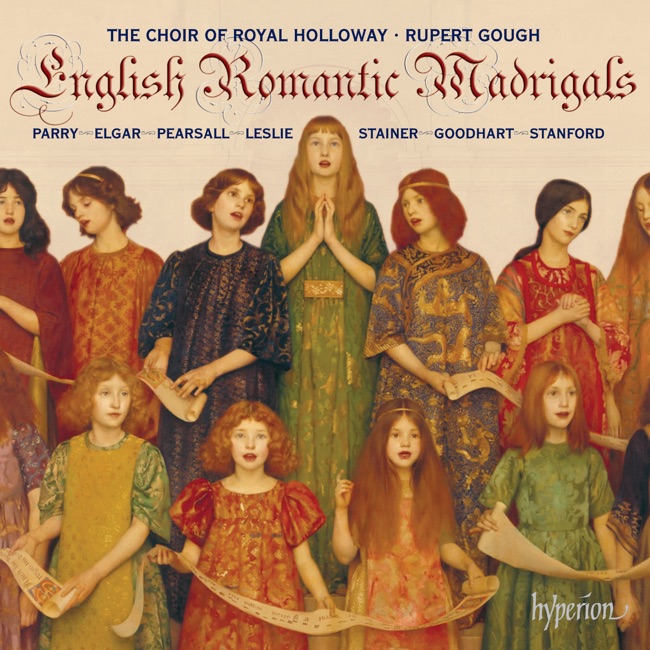
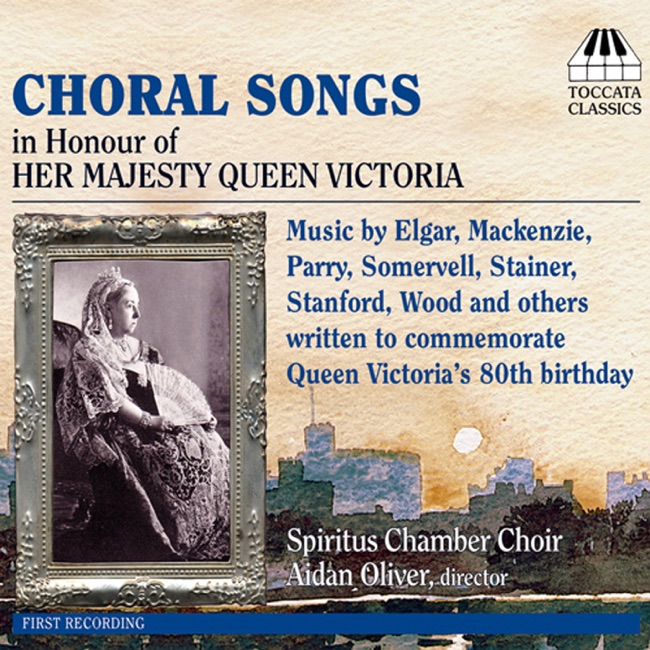
Featured Album
Works Info
Composer:Hubert ParryGenre:ChoralStyle:ChoralAverage_duration:3:04'Who can dwell with greatness!' is a choral work composed by Hubert Parry in 1890. It was premiered on 22nd May 1890 at the Birmingham Festival. The piece is a setting of verses from Psalm 15, which asks the question, "Lord, who shall abide in thy tabernacle? Who shall dwell in thy holy hill?" The text explores the qualities that are required to be in the presence of God, such as honesty, righteousness, and truthfulness. The piece is divided into four movements, each exploring a different aspect of the text. The first movement is marked "Moderato maestoso" and begins with a solemn and majestic introduction from the orchestra. The choir then enters with a unison statement of the text, which is repeated several times throughout the movement. The music is characterized by its rich harmonies and powerful choral writing. The second movement is marked "Allegro moderato" and is more lively and energetic than the first. The choir sings in a more contrapuntal style, with overlapping phrases and intricate harmonies. The orchestra provides a lively accompaniment, with rhythmic figures and playful melodies. The third movement is marked "Andante sostenuto" and is the most introspective of the four. The choir sings in a more subdued and contemplative style, with long, sustained phrases and delicate harmonies. The orchestra provides a gentle accompaniment, with soft strings and muted brass. The final movement is marked "Allegro con fuoco" and is the most triumphant of the four. The choir sings in a more declamatory style, with bold and powerful statements of the text. The orchestra provides a grand and majestic accompaniment, with soaring melodies and triumphant fanfares. Overall, 'Who can dwell with greatness!' is a powerful and moving choral work that showcases Parry's skill as a composer. The piece is characterized by its rich harmonies, powerful choral writing, and grand orchestration. It remains a popular work in the choral repertoire to this day.More....
Works Music