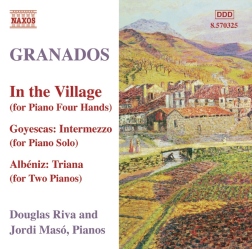
Enriqué Granados
En la aldea (7), H. 52
Released Album
Recent Album
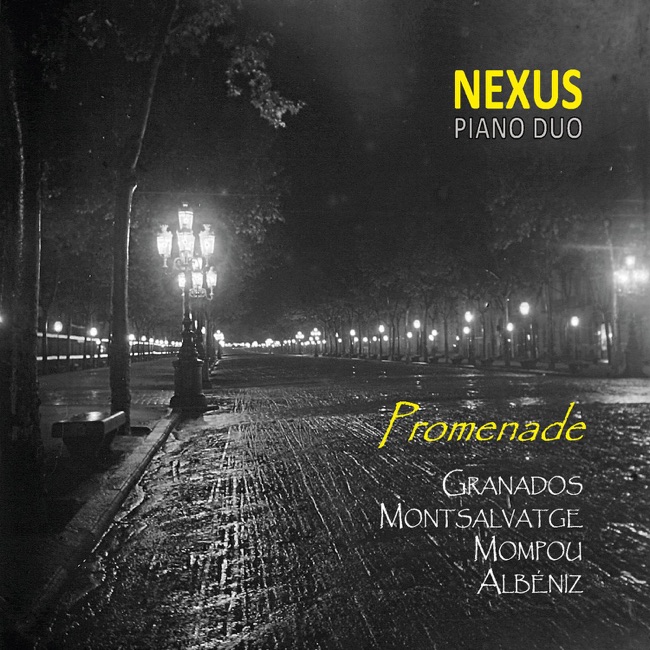


Featured Album
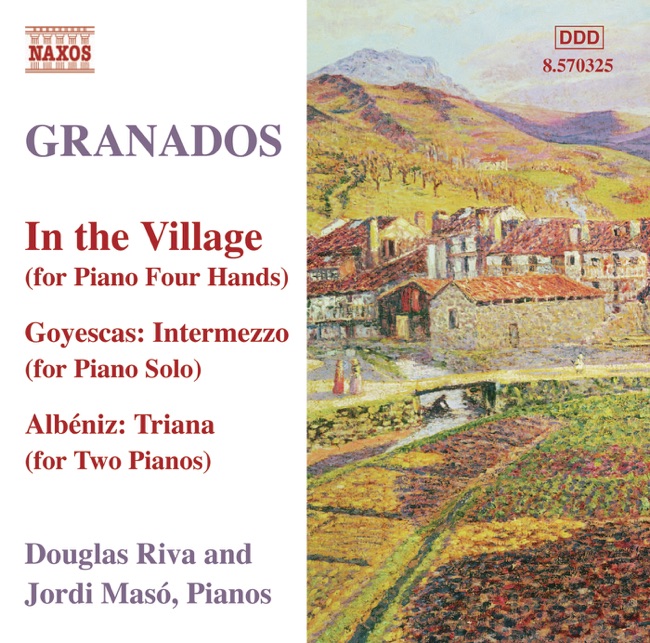
Works Info
Composer:Enriqué GranadosGenre:KeyboardStyle:KeyboardCompose Date:ca. 1888Average_duration:15:11Movement_count:10Movement ....Enriqué Granados was a Spanish composer and pianist who lived from 1867 to 1916. He was known for his contributions to the Spanish nationalistic movement in music, which sought to incorporate traditional Spanish folk music into classical compositions. One of his most famous works is "En la aldea (7), H. 52," which was composed in 1900. "En la aldea (7), H. 52" is a suite of seven movements for piano. The piece is inspired by life in a Spanish village, and each movement depicts a different aspect of village life. The movements are titled "El Pelele," "La Maja de Goya," "El Fandango de Candil," "Quejas o la Maja y el Ruiseñor," "El Amor y la Muerte," "Epílogo: Serenata del Espectro," and "El Traje de Luces." The first movement, "El Pelele," is a lively and playful piece that depicts a group of villagers playing with a straw man. The second movement, "La Maja de Goya," is a romantic and melancholic piece that is based on a painting by Francisco de Goya. The third movement, "El Fandango de Candil," is a lively and rhythmic dance that is often performed at festivals and celebrations in Spain. The fourth movement, "Quejas o la Maja y el Ruiseñor," is a beautiful and haunting piece that is based on a poem by Gustavo Adolfo Bécquer. The fifth movement, "El Amor y la Muerte," is a dramatic and emotional piece that depicts the tragic love story of a young couple. The sixth movement, "Epílogo: Serenata del Espectro," is a mysterious and eerie piece that is meant to evoke the supernatural. The final movement, "El Traje de Luces," is a celebratory piece that is inspired by the traditional costume worn by bullfighters in Spain. The piece is characterized by its use of Spanish folk melodies and rhythms, as well as its virtuosic piano writing. "En la aldea (7), H. 52" premiered in 1900 and was well-received by audiences and critics alike. The piece is now considered one of Granados' most important works and is often performed by pianists around the world. Its use of Spanish folk music and its depiction of village life make it a quintessentially Spanish piece of music.More....
Works Music
Released Music

3
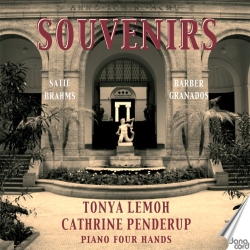
In the aldea (7), H. 52
Parte 1: Salida del Sol - Maitines - El Cortejo (Marcha nupcial) - La Oración - Regreso (Marcha nupcial)
6:59
Featured Music