John Cage
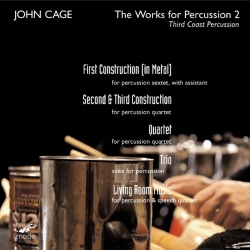
Trio, for 3 percussionists
Released Album
Recent Album
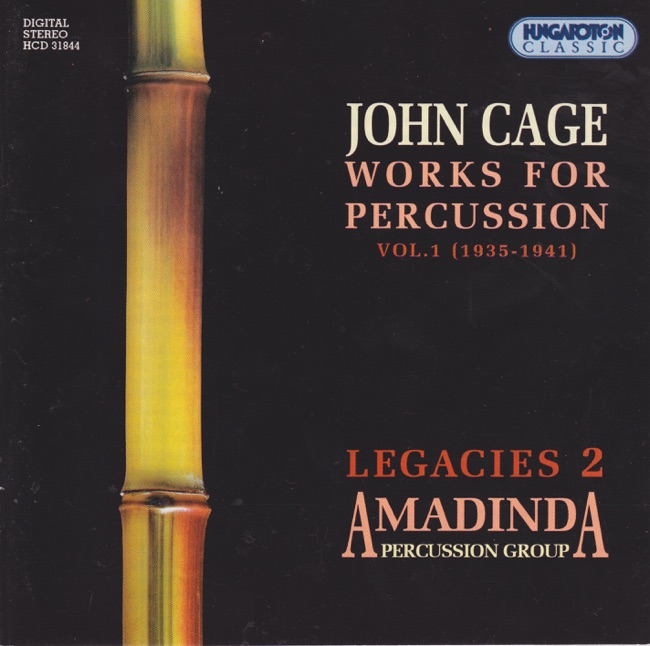
Featured Album
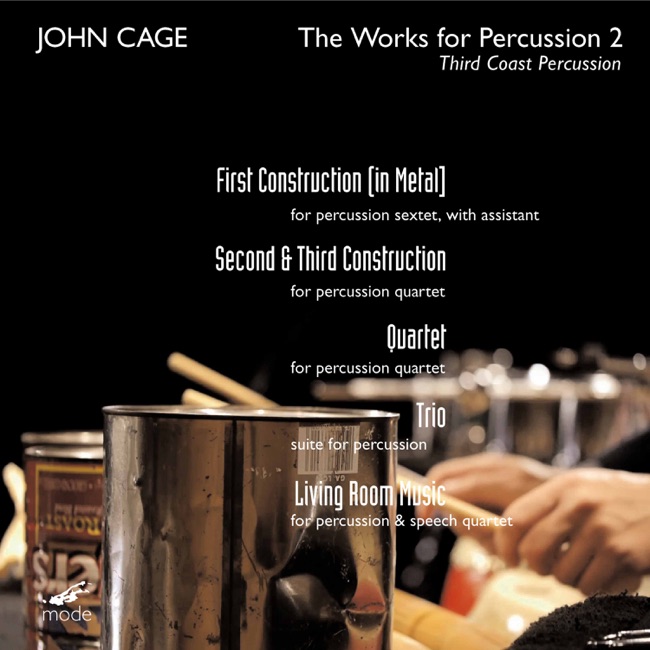
Works Info
Composer:John CageGenre:ChamberStyle:Chamber MusicCompose Date:1936Average_duration:4:12Movement_count:3Movement ....John Cage's Trio for 3 Percussionists is a groundbreaking work that was composed in 1936. The piece premiered in New York City in 1937 and has since become a staple of the percussion repertoire. The work is divided into three movements, each of which explores different aspects of percussion performance. The first movement of Trio for 3 Percussionists is characterized by its use of unconventional percussion instruments. Cage employs a variety of objects, including tin cans, cowbells, and brake drums, to create a unique and unpredictable sound world. The performers are instructed to play these instruments in a variety of ways, including striking, scraping, and shaking them. The result is a complex and constantly shifting texture that challenges the listener's expectations of what percussion music can sound like. The second movement of the piece is more focused on rhythm and timing. The performers are instructed to play a series of repeated patterns, with each player gradually shifting their tempo and phrasing. This creates a sense of tension and release that builds throughout the movement. The use of silence is also a key element of this section, with the performers pausing between phrases to create a sense of anticipation. The final movement of Trio for 3 Percussionists is perhaps the most challenging for performers and listeners alike. Cage instructs the performers to play a series of complex rhythms and patterns, but with the added twist that they must do so without any visual cues. The performers are instructed to wear blindfolds and play entirely by ear, relying on their sense of timing and rhythm to stay in sync. The result is a thrilling and unpredictable performance that showcases the incredible skill and musicianship of the performers. Overall, Trio for 3 Percussionists is a groundbreaking work that pushed the boundaries of what was possible in percussion music. Cage's use of unconventional instruments, complex rhythms, and innovative performance techniques created a work that remains as challenging and exciting today as it was when it was first composed.More....