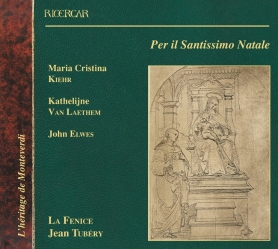
Giovanni Antonio Rigatti
Nunc dimittis
Released Album
Recent Album
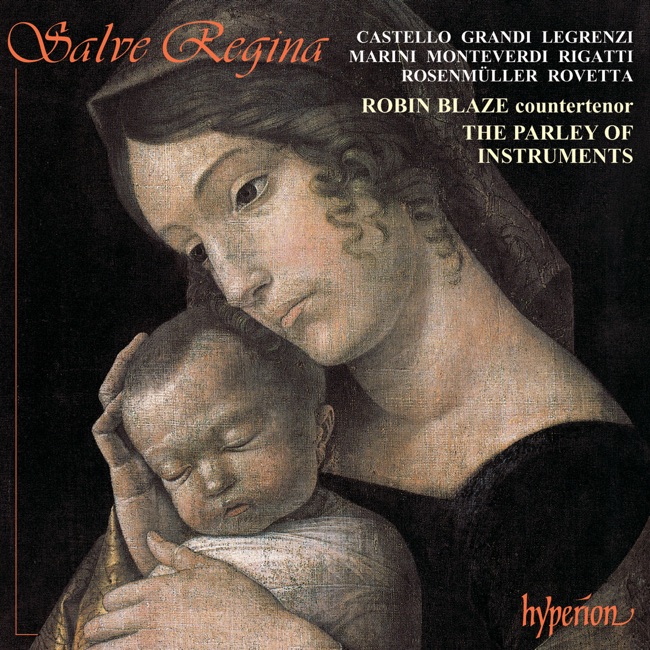
Featured Album
Works Info
Composer:Giovanni Antonio RigattiGenre:VocalStyle:MagnificatCompose Date:1646Average_duration:4:58Giovanni Antonio Rigatti was an Italian composer and organist who lived from 1613 to 1648. He was born in Venice and spent most of his life there, working as an organist at various churches in the city. One of his most famous works is the 'Nunc dimittis', a sacred choral piece that was composed in the mid-17th century. The 'Nunc dimittis' is a setting of the Latin text of the same name, which is a canticle from the Gospel of Luke. The text is traditionally sung at the end of a church service, and it is a prayer of thanksgiving and farewell. Rigatti's setting of the text is a four-part choral piece that is sung a cappella, without any instrumental accompaniment. The 'Nunc dimittis' is divided into three movements. The first movement is a slow and solemn introduction, in which the choir sings the first few words of the text. This is followed by the second movement, which is faster and more lively. In this section, the choir sings the main body of the text, with each voice part taking turns to sing the different phrases. The third movement is a reprise of the first, with the choir returning to the slow and solemn tempo of the opening. One of the most notable characteristics of Rigatti's 'Nunc dimittis' is its use of polyphony. Polyphony is a musical technique in which multiple voices or melodies are played or sung simultaneously. In the 'Nunc dimittis', each voice part has its own melody and rhythm, which creates a rich and complex texture. This technique was popular in sacred music during the Renaissance and Baroque periods, and it is a hallmark of Rigatti's style. Another characteristic of the 'Nunc dimittis' is its use of dissonance. Dissonance is a musical term that refers to the use of notes that clash with each other, creating a sense of tension or unease. Rigatti uses dissonance sparingly in the 'Nunc dimittis', but when he does, it is very effective in creating a sense of drama and emotion. The 'Nunc dimittis' was premiered in Venice in the mid-17th century, and it quickly became popular among choirs and church musicians throughout Italy. Today, it is still performed and recorded by choirs around the world, and it is considered one of Rigatti's most enduring works.More....
Works Music
Released Music
Featured Music