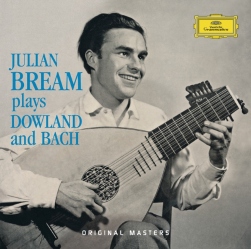
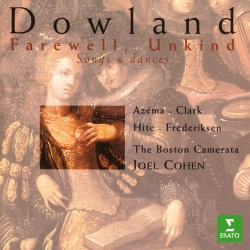
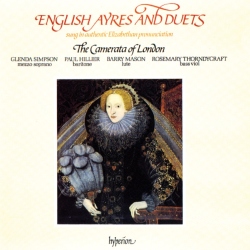
John Dowland
Humor, say what mak'st thou here
Released Album
Recent Album
Works Info
Composer:John DowlandGenre:ChoralStyle:ChoralCompose Date:1600Publication Date:1600Average_duration:2:55John Dowland's "Humor, say what mak'st thou here" is a lute song that was composed in the late 16th century. The exact date of composition is unknown, but it is believed to have been written sometime between 1590 and 1600. The song was first published in Dowland's "The Second Booke of Songs or Ayres" in 1600. The song is in three movements, with each movement featuring a different mood and tempo. The first movement is marked "Allegro," and it is a lively and playful tune that sets the tone for the rest of the piece. The second movement is marked "Adagio," and it is a slower and more contemplative section that features a more melancholic melody. The final movement is marked "Allegro," and it returns to the lively and playful mood of the first movement. The lyrics of the song are a conversation between the speaker and Humor, a personification of the concept of humor. The speaker asks Humor why he is present in his life, and Humor responds by saying that he is there to provide laughter and joy. The song explores the idea that humor can be both a source of happiness and a way to cope with difficult situations. Musically, "Humor, say what mak'st thou here" is a prime example of Dowland's skill as a composer. The lute accompaniment is intricate and complex, featuring a variety of techniques such as arpeggios, trills, and ornamentation. The melody is also highly expressive, with Dowland using chromaticism and dissonance to create a sense of tension and release. Overall, "Humor, say what mak'st thou here" is a masterful example of Dowland's artistry as a composer. Its lively and playful mood, combined with its contemplative lyrics and intricate musical structure, make it a standout piece in the lute song repertoire.More....
Works Music
Released Music
1
2:27