Bartolomeo Campagnoli
String Quartet No. 3 in G major
Released Album
Recent Album
Works Info
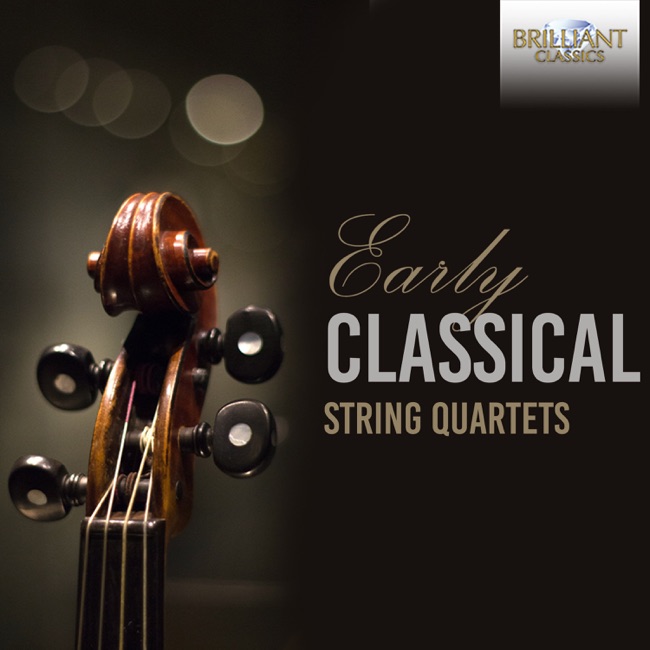
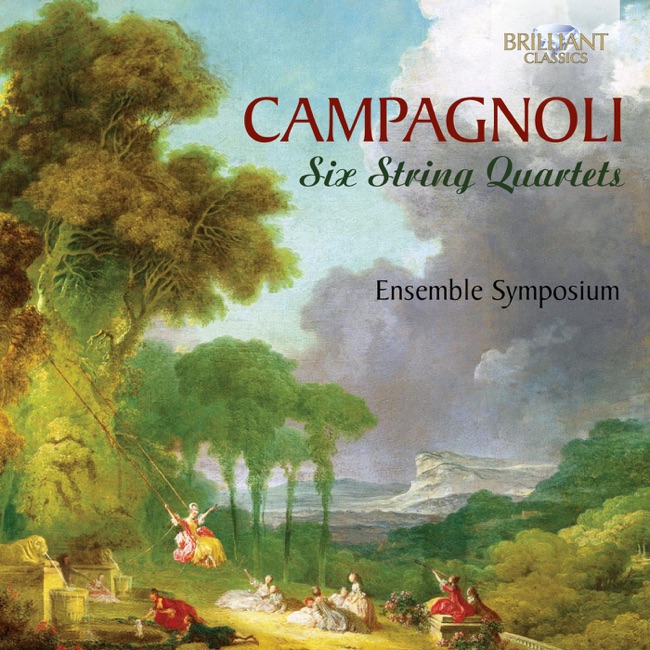
Composer:Bartolomeo CampagnoliGenre:ChamberAverage_duration:10:25Movement_count:3Movement ....Bartolomeo Campagnoli's String Quartet No. 3 in G major was composed in the late 18th century, although the exact date of composition is unknown. The piece is believed to have been premiered in Italy, where Campagnoli spent much of his career as a violinist and composer. The String Quartet No. 3 is comprised of four movements: Allegro moderato, Adagio, Menuetto, and Allegro. The first movement, Allegro moderato, is characterized by its lively tempo and playful melodies. The second movement, Adagio, is a slower, more contemplative piece that showcases the quartet's ability to create a rich, emotional sound. The Menuetto is a traditional dance movement, featuring a lively rhythm and a catchy melody. The final movement, Allegro, is a fast-paced, energetic piece that brings the quartet to a thrilling conclusion. One of the most notable characteristics of Campagnoli's String Quartet No. 3 is its use of counterpoint. Throughout the piece, the four instruments - two violins, a viola, and a cello - engage in intricate, interweaving melodies that create a complex, layered sound. This use of counterpoint is particularly evident in the first movement, where the instruments play off of each other in a lively, playful manner. Another notable characteristic of the String Quartet No. 3 is its use of dynamic contrast. Campagnoli employs a wide range of dynamics throughout the piece, from soft, delicate passages to loud, powerful crescendos. This creates a sense of drama and tension that adds to the overall emotional impact of the music. Overall, Bartolomeo Campagnoli's String Quartet No. 3 in G major is a masterful example of classical chamber music. Its intricate melodies, complex counterpoint, and dynamic contrast make it a challenging and rewarding piece for both performers and listeners alike.More....
Works Music
Released Music