Heitor Villa-Lobos
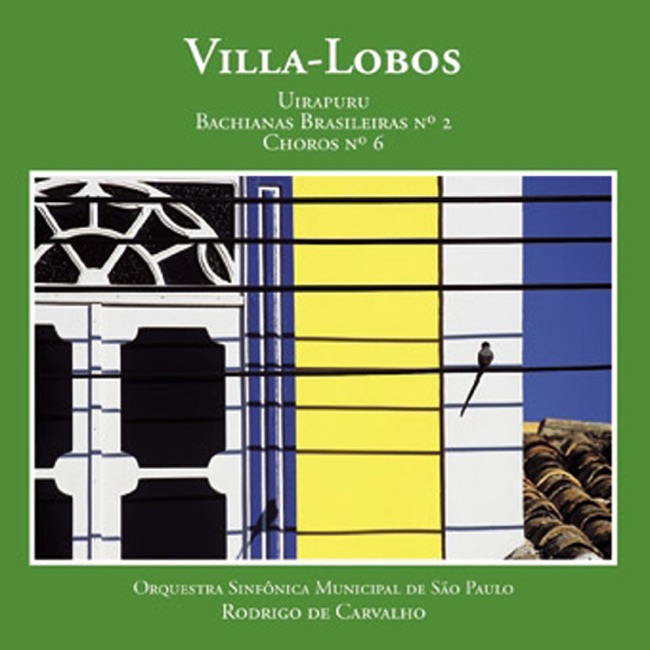
Uirapurú, A. 133
Released Album
Recent Album





Featured Album


Works Info
Composer:Heitor Villa-LobosGenre:BalletStyle:BalletCompose Date:1917Average_duration:17:43Uirapurú, A. 133 is a ballet composed by Heitor Villa-Lobos in 1917. The plot of the ballet is based on a Brazilian legend about a bird called Uirapurú, which is known for its beautiful singing voice. The ballet tells the story of a young man who falls in love with a beautiful woman, but is unable to win her heart. He then seeks the help of the Uirapurú, who teaches him how to sing a beautiful song that will win the woman's heart. The ballet is divided into three movements. The first movement, titled "The Forest," sets the scene with a lush and vibrant orchestral score that evokes the sounds of the Brazilian rainforest. The second movement, titled "The Love Song," features a solo violin and a solo voice singing the Uirapurú's song. The third movement, titled "The Triumph," is a lively and celebratory finale that brings the story to a joyful conclusion. One of the most notable characteristics of Uirapurú, A. 133 is its use of Brazilian folk music and rhythms. Villa-Lobos was a pioneer in incorporating traditional Brazilian music into classical compositions, and Uirapurú, A. 133 is a prime example of this approach. The ballet also features lush and colorful orchestration, with a wide range of instruments used to create a rich and varied sound. Uirapurú, A. 133 premiered in Rio de Janeiro in 1917, and was an immediate success. It has since become one of Villa-Lobos's most popular works, and is still performed by ballet companies and orchestras around the world. The ballet's enduring popularity is a testament to Villa-Lobos's skill as a composer, and his ability to create music that is both deeply rooted in Brazilian culture and universally appealing.More....
Works Music
Released Music



4

18:18

Featured Music