Josef Labor
Interlude for organ 3
Works Info
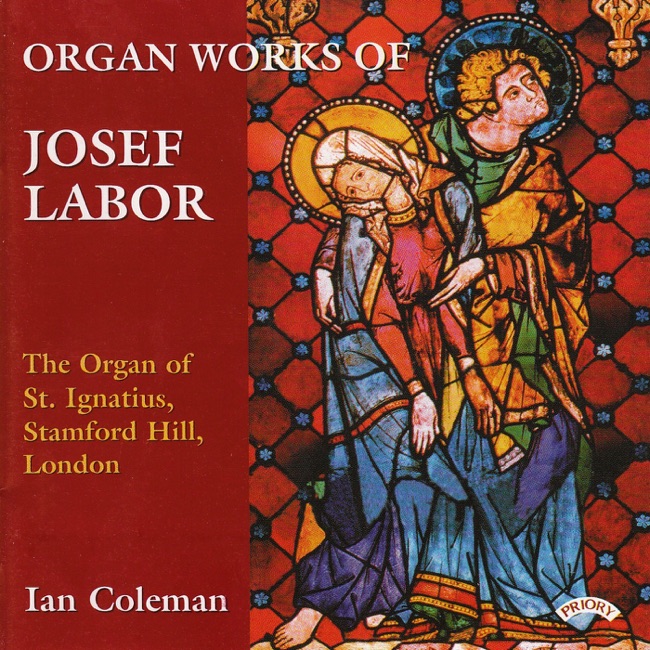
Composer:Josef LaborGenre:KeyboardStyle:KeyboardAverage_duration:1:12Interlude for organ 3 is a composition by Josef Labor, a renowned Austrian composer and organist. The piece was composed in the early 20th century and premiered in Vienna in 1913. It is a three-movement work that showcases Labor's mastery of the organ and his unique compositional style. The first movement of Interlude for organ 3 is marked "Allegro moderato" and is characterized by its lively and energetic nature. The movement begins with a bold and majestic theme that is developed throughout the piece. The use of chromaticism and dissonance creates a sense of tension and drama, which is resolved in the final section of the movement. The second movement, marked "Adagio," is a stark contrast to the first. It is a slow and contemplative piece that showcases Labor's ability to create beautiful and expressive melodies. The use of rich harmonies and lush textures creates a sense of warmth and intimacy, making this movement a favorite among organists and audiences alike. The final movement, marked "Allegro con fuoco," is a fiery and virtuosic piece that showcases Labor's technical prowess on the organ. The movement is characterized by its rapid and intricate passages, which are contrasted by moments of calm and reflection. The use of syncopation and irregular rhythms creates a sense of excitement and unpredictability, making this movement a thrilling conclusion to the piece. Overall, Interlude for organ 3 is a masterful work that showcases Labor's unique compositional style and his mastery of the organ. The piece is a favorite among organists and audiences alike, and continues to be performed and admired to this day.More....