


Josef Labor
Released Album
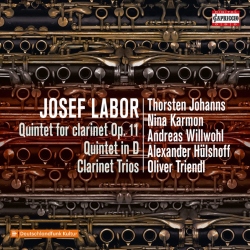
Chamber
-
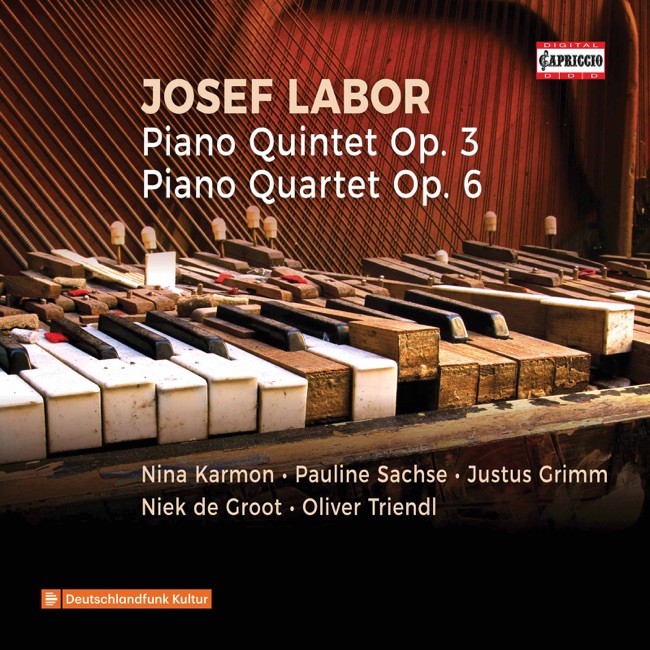 October 4, 2019
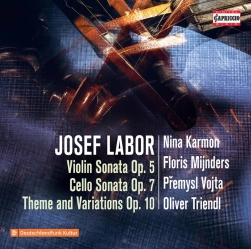
 -
 November 21, 2006
 -
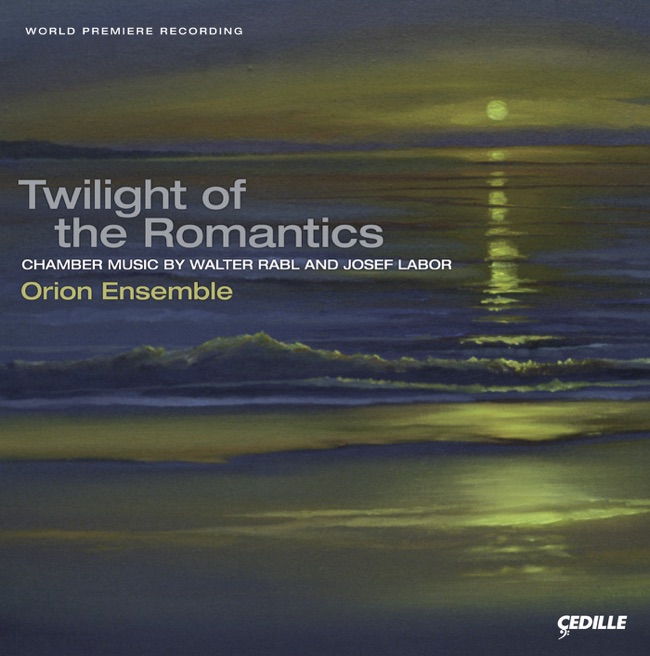 February 28, 2006
Keyboard
-
 January 10, 2012
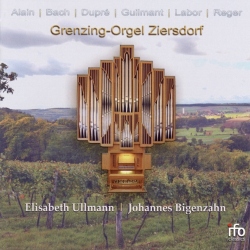
 -
-
 September 15, 2009
Concerto
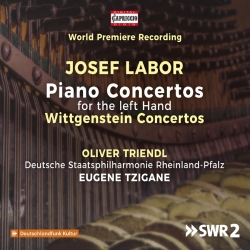
-
 February 16, 2024
Artist Info
Role:ComposerBirth:1842Death:1924Genre:KeyboardJosef Labor was a prominent Austrian composer and pianist who lived from 1842 to 1924. He was born in Vienna, Austria, on December 4, 1842, to a family of musicians. His father, Ignaz Labor, was a well-known violinist and conductor, and his mother, Maria Anna, was a singer. Josef Labor showed an early interest in music and began taking piano lessons at the age of six. Labor's musical education began at the Vienna Conservatory, where he studied piano with Julius Epstein and composition with Felix Otto Dessoff. He was a gifted student and won several awards for his compositions. After completing his studies, Labor embarked on a successful career as a pianist and composer. Labor's early compositions were influenced by the Romantic style of music that was popular in the mid-19th century. His works were characterized by their lyrical melodies, rich harmonies, and virtuosic piano writing. Some of his most notable early works include his Piano Sonata in B-flat minor, Op. 1, and his Piano Concerto in C major, Op. 2. In the 1870s, Labor began to experiment with new forms and styles of music. He became interested in the music of Richard Wagner and began incorporating elements of Wagner's music into his own compositions. He also began to explore the possibilities of program music, which is music that tells a story or depicts a scene or emotion. One of Labor's most famous works from this period is his symphonic poem, "Die Seejungfrau" (The Mermaid). The piece is based on the fairy tale of the same name by Hans Christian Andersen and tells the story of a mermaid who falls in love with a human prince. The music is lush and evocative, with sweeping melodies and dramatic climaxes. Labor continued to compose throughout his life, and his later works show a continued evolution of his style. He began to incorporate more modernist elements into his music, such as atonality and dissonance. However, he never fully embraced the avant-garde movements of the early 20th century, preferring instead to maintain a balance between tradition and innovation. Labor's legacy as a composer and pianist is significant. He was a respected figure in the Viennese musical scene and was admired for his technical skill and musical sensitivity. His music has been performed and recorded by many notable musicians and orchestras, and his influence can be heard in the works of later composers such as Arnold Schoenberg and Alban Berg. In addition to his musical career, Labor was also a respected music educator. He taught at the Vienna Conservatory for many years and was known for his rigorous and demanding teaching style. Many of his students went on to become successful musicians in their own right. Despite his many accomplishments, Labor's life was not without its challenges. He suffered from poor health throughout his life and was often plagued by financial difficulties. He also experienced personal tragedy when his wife and two of his children died in a fire in 1895. Despite these setbacks, Labor remained dedicated to his music and continued to compose until his death in 1924. His contributions to the world of classical music are significant, and his music continues to be celebrated and performed today.More....
Recent Artist Music
6
12:51
9
10:9
Copyright Ⓒ 2013 Davinci Finger. All rights reseved
Service Terms & Policy