


Antonio de Cabezón
Tiento del secondo ton for organ
Released Album
Recent Album
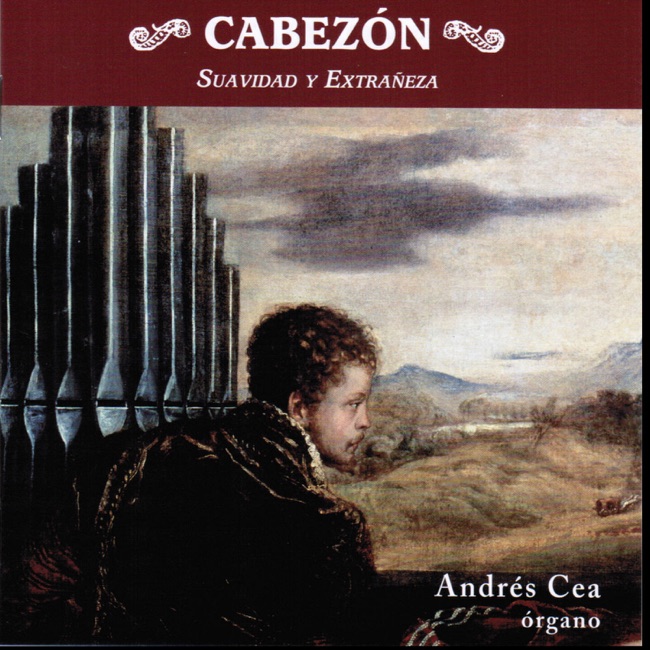
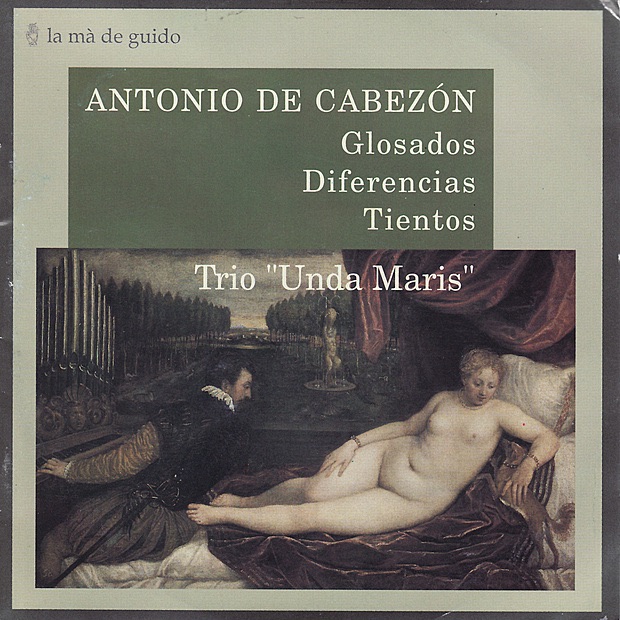
Works Info
Composer:Antonio de CabezónGenre:KeyboardStyle:KeyboardAverage_duration:3:12Antonio de Cabezón was a Spanish composer and organist who lived during the Renaissance period. He was born in 1510 in Burgos, Spain, and died in 1566 in Madrid. Cabezón was a prolific composer of keyboard music, and his works are considered to be some of the finest examples of Spanish Renaissance music. One of Cabezón's most famous works is the "Tiento del secondo ton for organ." This piece was composed for the organ and is written in the second ton, which is a mode that was commonly used in Spanish Renaissance music. The "Tiento del secondo ton" is a complex and intricate piece that showcases Cabezón's skill as a composer and organist. The "Tiento del secondo ton" is divided into several movements, each of which has its own unique characteristics. The first movement is a prelude that sets the tone for the rest of the piece. It is a slow and stately introduction that features a series of chords and arpeggios. The second movement is a fugue, which is a type of musical composition that features a main theme that is repeated and developed throughout the piece. The fugue in the "Tiento del secondo ton" is a complex and intricate piece that showcases Cabezón's skill as a composer and organist. The third movement is a toccata, which is a type of musical composition that features fast and intricate finger work on the keyboard. The toccata in the "Tiento del secondo ton" is a virtuosic display of Cabezón's skill as an organist. The fourth movement is a variation on a theme, which is a type of musical composition that features a main theme that is repeated and developed throughout the piece. The variation in the "Tiento del secondo ton" is a complex and intricate piece that showcases Cabezón's skill as a composer and organist. Overall, the "Tiento del secondo ton for organ" is a complex and intricate piece that showcases Cabezón's skill as a composer and organist. It is a virtuosic display of keyboard technique and is considered to be one of the finest examples of Spanish Renaissance music. The piece was composed in the mid-16th century and has been performed and studied by musicians and scholars ever since.More....
Works Music
Released Music
2
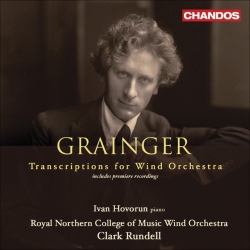
4:19
3
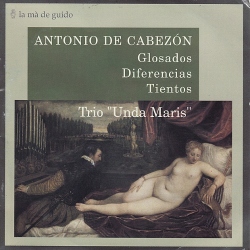
2:6