Shan-de Ding
Xinjiang Dance No. 2
Released Album
Recent Album
Works Info
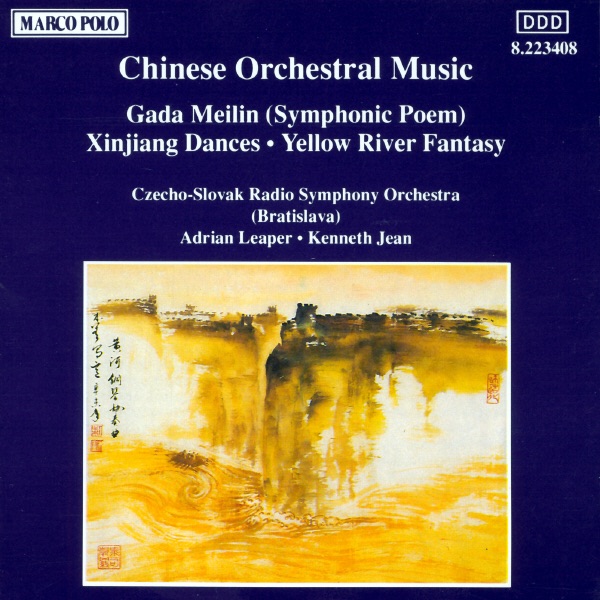
Composer:Shan-de DingGenre:OrchestralStyle:OrchestralAverage_duration:5:32Xinjiang Dance No. 2 is a Chinese orchestral piece composed by Shan-de Ding. It was premiered in 1963 and is one of the most popular works in the Chinese orchestral repertoire. The piece is divided into three movements, each of which reflects the unique cultural characteristics of the Xinjiang region. The first movement, titled "Dance of the Uyghur People," is a lively and energetic dance that features the distinctive rhythms and melodies of Uyghur music. The Uyghur people are an ethnic group that is native to Xinjiang, and their music is characterized by its use of the dombra, a two-stringed instrument that is similar to a lute. The movement begins with a fast-paced introduction that sets the tone for the rest of the piece. The main theme is then introduced, which is based on a traditional Uyghur melody. The movement features a number of solo passages for various instruments, including the dombra, the pipa (a four-stringed instrument), and the erhu (a two-stringed instrument). The second movement, titled "Dance of the Kazakh People," is a slower and more contemplative piece that reflects the pastoral lifestyle of the Kazakh people, who are also native to Xinjiang. The movement begins with a solo for the dombra, which is then joined by the rest of the orchestra. The main theme is based on a traditional Kazakh melody, and the movement features a number of solo passages for various instruments, including the dombra, the pipa, and the cello. The third movement, titled "Dance of the Mongolian People," is a fast-paced and energetic dance that reflects the nomadic lifestyle of the Mongolian people, who also have a significant presence in Xinjiang. The movement begins with a solo for the morin khuur, a two-stringed instrument that is similar to a cello. The main theme is based on a traditional Mongolian melody, and the movement features a number of solo passages for various instruments, including the morin khuur, the dombra, and the pipa. Overall, Xinjiang Dance No. 2 is a vibrant and colorful work that showcases the rich cultural heritage of the Xinjiang region. The piece is characterized by its use of traditional melodies and rhythms, as well as its incorporation of various solo instruments. It is a testament to the skill and creativity of Shan-de Ding, who was one of the most important composers of Chinese orchestral music in the 20th century.More....
Works Music
Released Music