


Shan-de Ding
Released Album
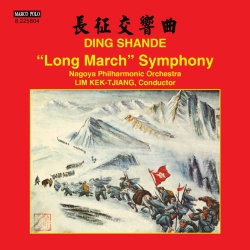
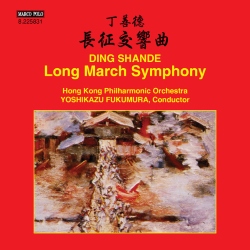
Orchestral
-
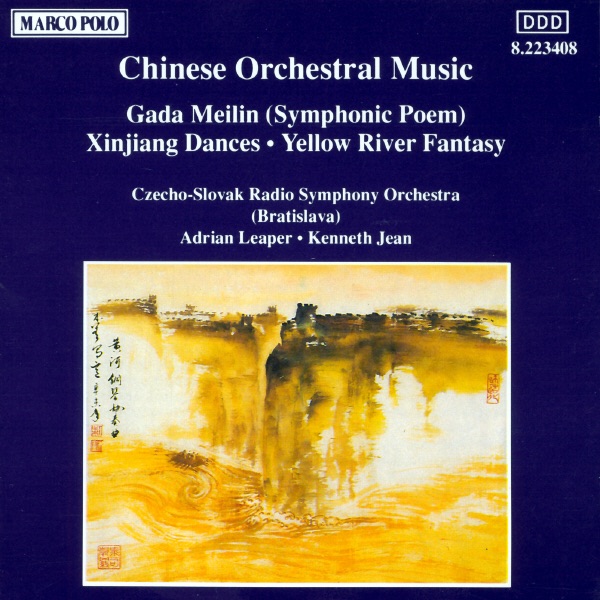 December 17, 1992
Keyboard
-
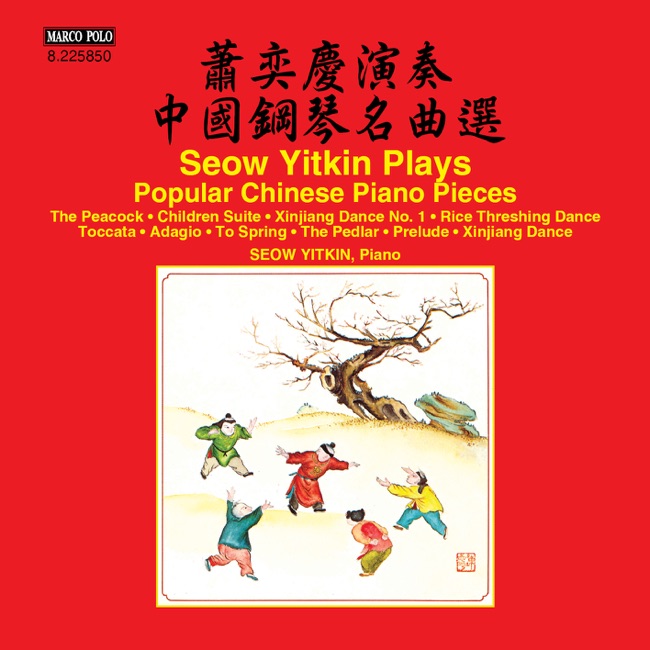 January 13, 2017
 -
 December 18, 2007
 -
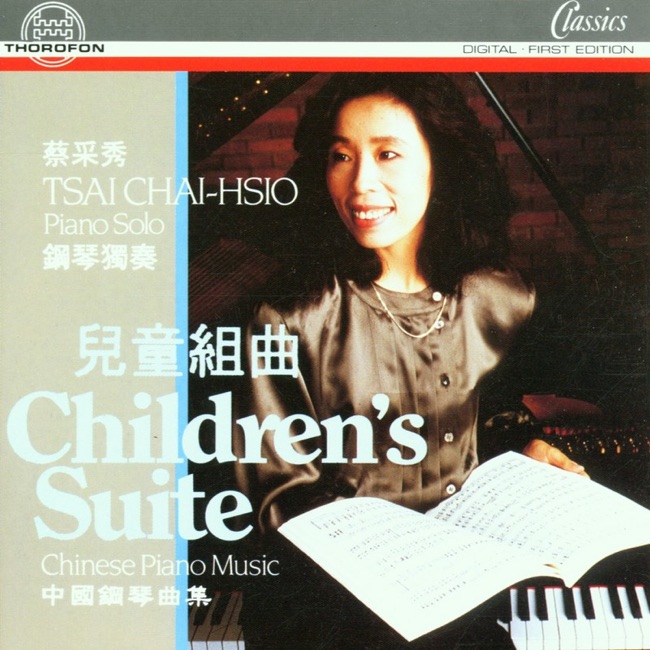 April, 1996
Symphony
-
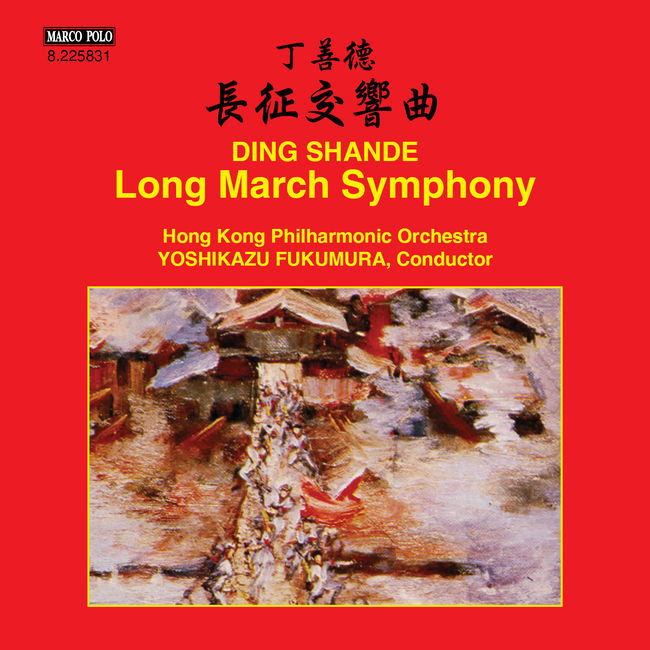 January 8, 2016
 -
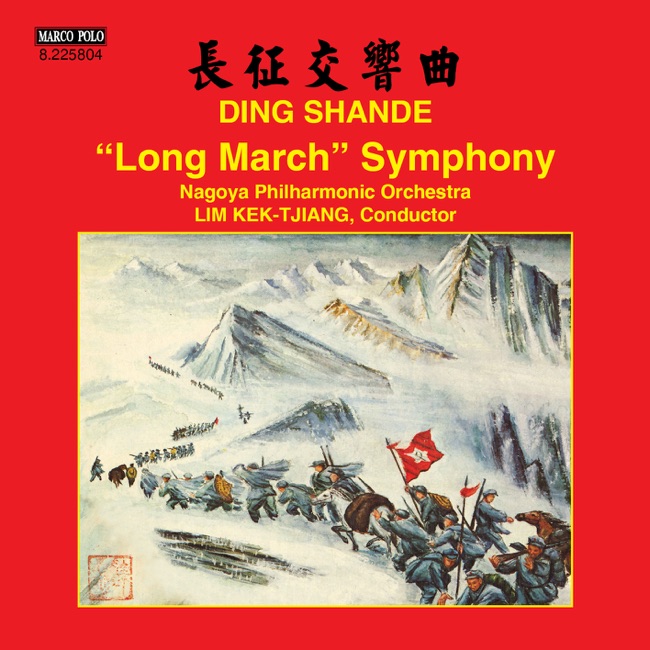 March, 2015
Artist Info
Role:ComposerBirth:1911 in Kunshan, JiangsuDeath:1995Period:ModernGenre:OrchestralSymphonyShan-de Ding was a Chinese composer who was born on December 28, 1915, in the city of Shanghai. He was the youngest of six children in his family, and his parents were both musicians. His father was a violinist, and his mother was a pianist. From a young age, Shan-de showed a great interest in music and began studying the piano at the age of four. Shan-de's parents recognized his talent and encouraged him to pursue a career in music. He attended the Shanghai Conservatory of Music, where he studied composition with the renowned composer Xian Xinghai. Xian was a major influence on Shan-de's music, and he encouraged him to incorporate Chinese folk music into his compositions. In 1949, Shan-de moved to Beijing and became a professor at the Central Conservatory of Music. He continued to compose music and became known for his unique blend of Western classical music and Chinese folk music. His compositions often featured traditional Chinese instruments, such as the erhu and pipa, alongside Western instruments like the piano and violin. One of Shan-de's most famous works is his Symphony No. 1, which he composed in 1957. The symphony is a tribute to the Chinese people and their struggle for independence. It features traditional Chinese melodies and rhythms, as well as Western classical music elements. The symphony was well-received and helped establish Shan-de as one of China's leading composers. In addition to his symphonies, Shan-de also composed a number of operas, ballets, and chamber music pieces. One of his most famous operas is The White-Haired Girl, which he composed in 1945. The opera tells the story of a young peasant girl who is forced to work as a slave for a wealthy landlord. The opera was a huge success and became one of the most popular operas in China. Shan-de's music was not only popular in China but also gained international recognition. In 1982, he was invited to the United States to attend a concert of his music at the Kennedy Center in Washington, D.C. The concert was a huge success, and Shan-de was praised for his unique blend of Chinese and Western music. Throughout his career, Shan-de received numerous awards and honors for his contributions to music. He was awarded the National Prize for Art and Literature in 1956 and was named a National Cultural Celebrity in 1985. He was also a member of the Chinese People's Political Consultative Conference and served as the vice-chairman of the Chinese Musicians' Association. Shan-de continued to compose music until his death on March 18, 1991. His legacy lives on through his music, which continues to be performed and enjoyed by audiences around the world. His unique blend of Chinese and Western music has inspired countless musicians and composers and has helped to bridge the gap between Eastern and Western music.More....

Copyright Ⓒ 2013 Davinci Finger. All rights reseved
Service Terms & Policy